


Pakistan’s net metering generation surges over 100% in Sept 2025
- Net metering contribution to overall power generation is also increasing
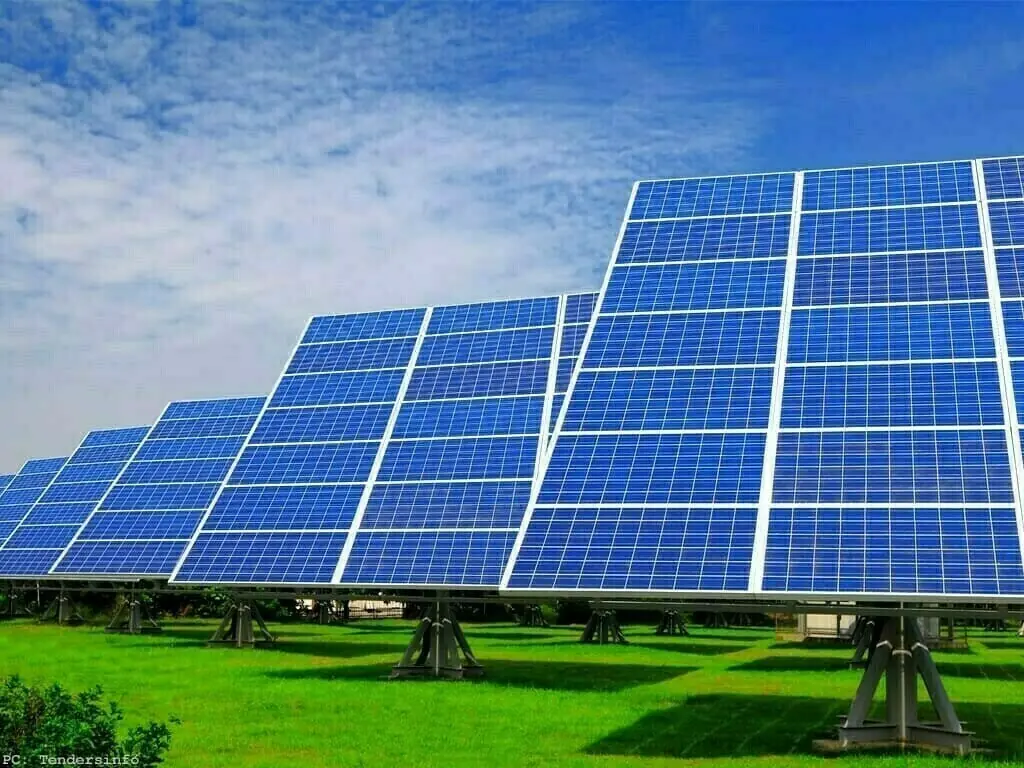

Pakistan’s renewable energy sector is witnessing gradual growth, as reflected in net metering generation trends over the past year. According to recent figures provided by Arif Habib Limited (AHL) Research, net metering units—excluding K-Electric consumers—showed considerable growth, rising from 70.35 GWh in September 2024 to 142.67 GWh by September 2025, registering an increase of over 100%.
On a MoM basis, net metering units increased by 28.1%, as compared to 111.4 GWh generated in August, according to the data.
The contribution of net metering to the country’s total electricity generation has also been on an upward trajectory. While it accounted for just 0.6% of total generation in September 2024, this share more than doubled to 1.1% by September 2025.
“Net metering’s share in total generation rose by 57 bps YoY in Sep’25, reflecting increased solar adoption and lower grid dependence,” said AHL.
While analysing the data, it was noted that peak net metering contribution was observed in April 2025, when net metering units reached 307.8 GWh, representing 2.9% of total generation.
The data suggests that as more households and businesses adopt rooftop solar solutions, net metering is steadily emerging as a significant component of Pakistan’s electricity mix.
Last month, Business Recorder reported that Prime Minister Shehbaz Sharif, after months of delay in the approval of a summary submitted by the Power Division on revised buyback rates for net metering across the country, has directed the PD to immediately verify the proposed new tariff in coordination with the National Electric Power Regulatory Authority (Nepra).
The PD proposed reducing the net metering buyback rate from the current Rs22 per unit to around Rs11.30 per unit, arguing that the existing rate imposes an additional financial burden on other electricity consumers.
The prime minister also instructed the division to review all existing contracts signed under the Net Metering Rules 2015 to determine whether buyback rates can legally be altered without breaching existing contractual obligations.




















Comments
Comments are closed for this article.