




Pakistan’s economy remains trapped in a low-growth equilibrium. The government wants to kickstart expansion, and there is visible activity in the twin cities aimed at accelerating growth. Yet, none of it is yielding meaningful results.
Given the high fiscal stress and precarious balance-of-payments position, policymakers are compelled to maintain tight fiscal and monetary stances—keeping primary fiscal surpluses and positive real interest rates.
The government is now banking on investment, mainly from friendly Middle Eastern nations, to gain both fiscal and external breathing space. After the recent defence pact with Saudi Arabia, Islamabad’s corridors buzzed with optimism over potential inflows of investment and debt. Some even speculated about leveraging ties with the Middle East to exit the IMF programme.
A Saudi business delegation recently toured Islamabad, Lahore, and Karachi for meetings with government officials and private-sector leaders. Excitement briefly surged, with talk of joint ventures across sectors.
But within weeks, the mood shifted. Businessmen on both sides have realized that manufacturing in Pakistan is commercially unviable. Most joint venture prospects make more sense in Saudi Arabia, where energy costs just 6–7 cents per unit and taxes are low.
Take one proposed venture: a partnership in petrochemicals as a backend for activewear production in Pakistan. After running the numbers, investors concluded it was better to put the plant in Saudi Arabia and perhaps limit stitching or finishing to Pakistan—or even Egypt, given its proximity to the Gulf. The sobering outcome: jobs and industrial value-add are drifting out of Pakistan’s reach.
While Saudi investors show interest in agriculture and mining—especially in backward linkages for their food security—the appetite for manufacturing is fading fast. Top industrialists privately admit that further investment in export-oriented sectors makes little sense amid soaring energy costs and punitive taxes. Some are even scouting for overseas opportunities.
“I fear industries won’t remain in Pakistan,” lamented a leading textile exporter who was bullish just weeks ago about Saudi investment. That optimism, it seems, has given way to realism.
In the textile sector, sentiment about the investment climate is bleak. Even those initially supportive of this government now describe it as the most anti-export administration yet. They plan merely to maintain existing operations, not expand them.
Firms serving the domestic market also face slack demand. Except for a few cases driven by tariff protection, new investment plans are scarce. Low purchasing power constrains growth. Yet, to boost demand, the economy itself must first grow—an irony that underpins Pakistan’s policy conundrum.
The economy is stuck in a groove, and only meaningful domestic reforms in taxation and energy can pull it out. The traditional economic model has run its course.
The government, meanwhile, appears directionless. Reports suggest it plans new taxes from January as the FBR misses collection targets, while the Prime Minister simultaneously wants to review high tax rates to prevent capital and talent flight. The contradiction is glaring—how can the state cut and raise taxes at the same time?
At one end, red carpets are rolled out for foreign investors, especially the Saudis; at the other, the government has sharply revised K-Electric’s multiyear tariff, unsettling private investors in the energy sector. These mixed signals are amplifying uncertainty and driving capital further away.
Energy sector reform remains absent. The IMF-backed model of full cost recovery has worsened the industrial power landscape. In such conditions, no private investor—regardless of geopolitical goodwill—will commit funds without commercial viability. The euphoria over “big-ticket Saudi investment” may, once again, fade into the familiar disappointment of wishful economics.
In the end, Pakistan seems to be courting investment the way it does cricket miracles—hoping for divine intervention when the scoreboard already tells the story.
Copyright Business Recorder, 2025
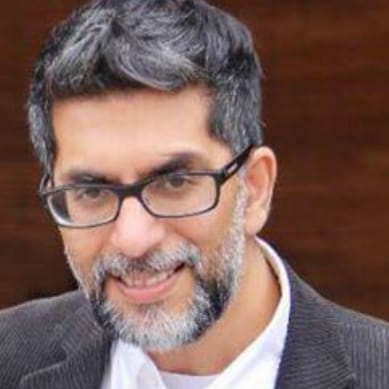
Ali Khizar is the Director of Research at Business Recorder. His Twitter handle is @AliKhizar

























Comments
Comments are closed for this article.