


Crisis-hit cotton sector: Cabinet panel reviews comprehensive reform measures for revival
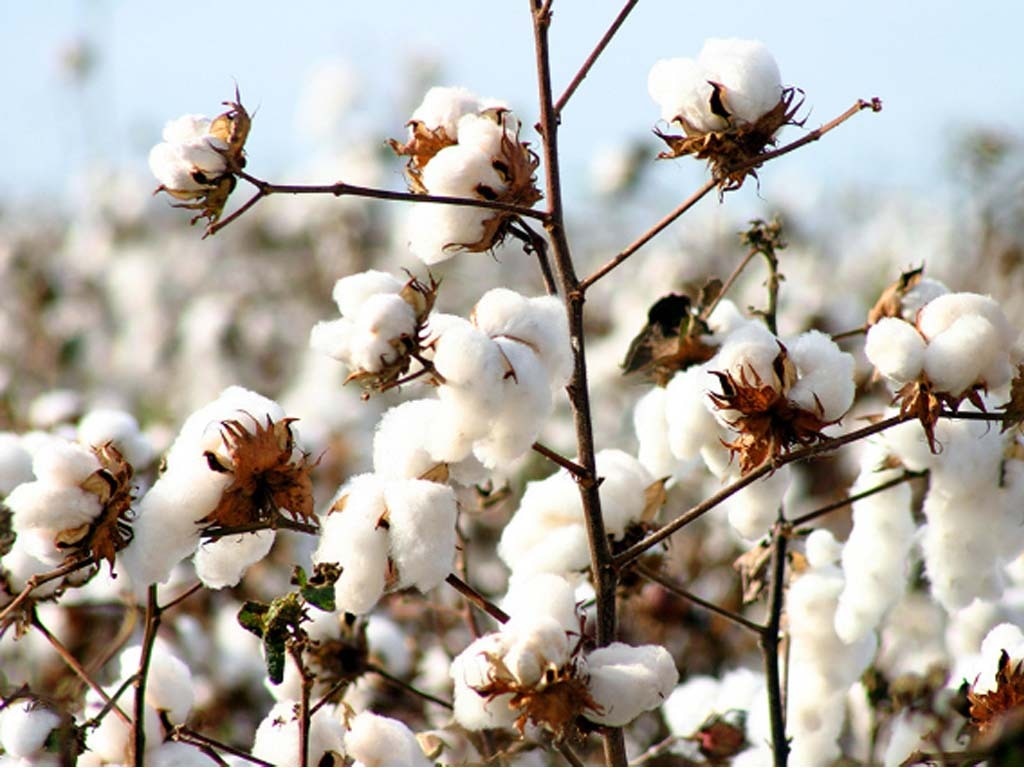

LAHORE: An important meeting of the Cabinet Committee on Essential and Cash Crops was held recently under the chairmanship of Deputy Prime Minister and Minister for Foreign Affairs, Senator Ishaq Dar. The session focused on comprehensive reform measures aimed at reviving Pakistan’s crisis-hit cotton sector.
The meeting was attended by Federal Minister for National Food Security and Research Rana Tanveer Hussain, Special Assistant to the Prime Minister on Finance Tariq Bajwa, senior officials of the ministry, representatives of the All Pakistan Textile Mills Association (APTMA), cotton ginners, and growers.
In connection with the meeting’s proceedings, Business Recorder sought analytical comments from cotton expert and Head of the Technology Transfer Department at the Central Cotton Research Institute, Multan, Sajid Mahmood.
Sajid Mahmood stated that the initiatives undertaken by the Government of Pakistan, particularly under the leadership of Deputy Prime Minister Ishaq Dar, reflect practical progress toward the revival of the cotton sector. According to him, the Ministry of Food Security’s efforts to bridge research and industrial institutions indicate that cotton revival is being prioritized at the policy level.
He noted that promoting collaboration between the public and private sectors is a positive step that will strengthen research, innovation, and the process of technology transfer. He emphasised that “this model is not about handing over any research institution to the private sector but about fostering joint progress under mutual cooperation and government patronage — an approach that is certain to yield positive outcomes.”
Mahmood further stated that APTMA’s willingness to raise the cotton cess from Rs 50 to Rs 142 per bale is an encouraging development, demonstrating the private industry’s readiness to enhance its participation in cotton research and policy reforms.
According to the expert, this step will provide financial stability to cotton research institutions, ensuring continuity in research activities and improving their overall performance.
He opined that APTMA’s decision aligns with the national interest and will help strengthen mutual confidence between the government and the private sector. “Such constructive developments,” he remarked, “will play a vital role in reinforcing the entire cotton value chain — from growers to exporters.”
Citing international examples, Mahmood noted that countries such as India, the United States, and Australia have achieved significant improvements in cotton production and quality through similar public–private partnerships. Pakistan, he said, can also achieve remarkable results by following this model.
He clarified that the recent policy measures are not directly related to the proposed merger of the Pakistan Central Cotton Committee (PCCC) and the Pakistan Agricultural Research Council (PARC). The federal cabinet has already approved the merger, and the matter is currently passing through the parliamentary legal process.
In conclusion, Sajid Mahmood said that the recent initiatives under the leadership of Deputy Prime Minister Ishaq Dar, the proactive approach of the Ministry of Food Security, and the constructive role of the private sector — particularly APTMA — represent a significant step toward the revival of the cotton sector.
Copyright Business Recorder, 2025



















Comments
Comments are closed for this article.