


India’s central bank proposes changes to credit risk rules for lenders
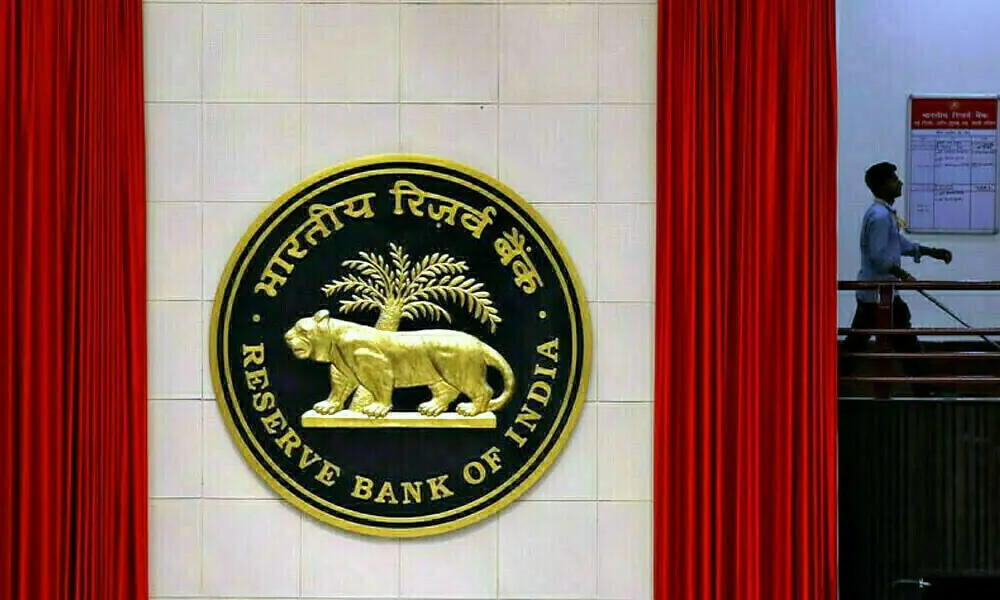

BENGALURU: The Reserve Bank of India on Tuesday proposed changes to the way banks assign risk weightage to loans and the so-called expected credit loss (ECL) framework, in a move aimed at aligning domestic regulations with global norms.
The proposed changes seek to ease the risk weightage, or capital that must be set aside, for different types of loans.
Major changes include differentiated risk weights for corporate loans, loans to micro, small and medium enterprises (MSMEs) as well as real estate exposures.
The RBI also proposed including “transactors”, or credit card users who repay dues on time, in the regulatory retail category.
“The proposed changes are estimated to have a positive impact on the minimum regulatory capital requirements of banks,” the RBI said.
India’s central bank forms committee for periodic review of regulations
The regulator added that segments such as MSMEs, real estate and credit card exposures will particularly benefit from these changes.
The RBI also proposed changes to the ECL framework, which would require banks to set aside more funds for potential bad loans.
Under the draft ECL framework, banks would be required to classify loans into stages based on credit risk, while continuing to apply existing rules for classifying non-performing assets, or loans that have turned bad.
While the shift from an incurred-loss to an expected-loss model for provisioning could lead to a one-time increase in provisions, the RBI said the overall capital impact would be minimal, supported by a proposed five-year transition period.
The RBI said last week the implementation of the ECL rules will take effect on April 1, 2027, giving banks a breather on capital requirements.
The central bank has invited public comments on both drafts until November 30.




















Comments
Comments are closed for this article.