


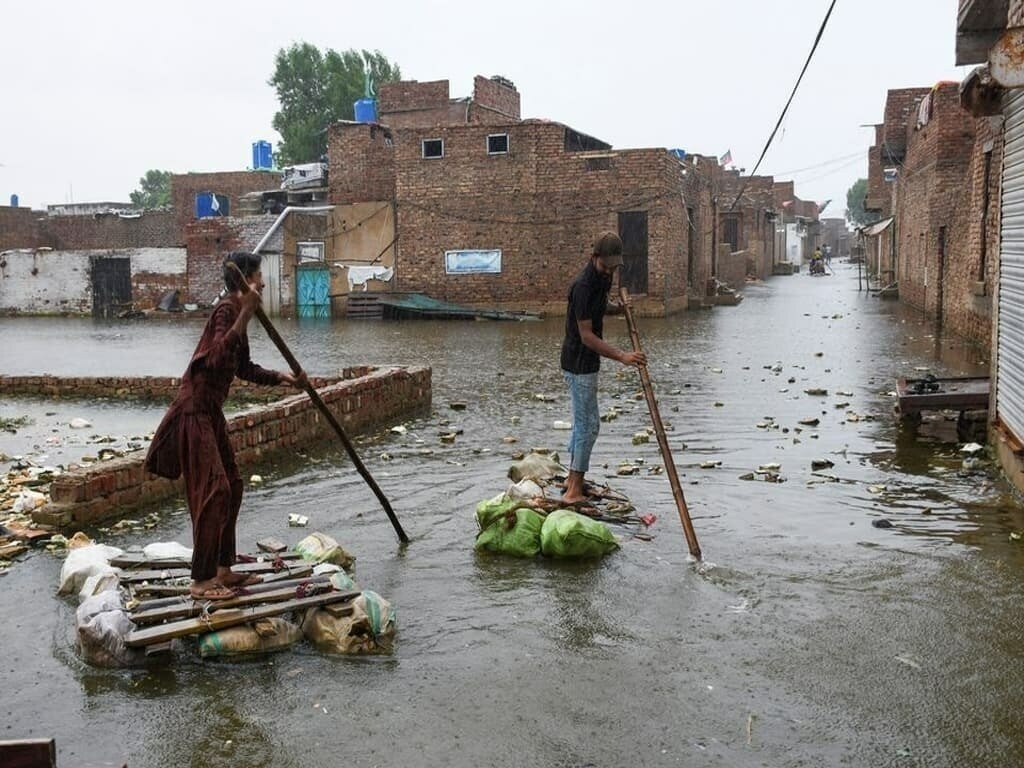
EDITORIAL: The ruling arrangement cannot afford the indulgence of turning allies into adversaries while Pakistan grapples with converging crises. The confrontation between the PPP and PML-N is not confined to the immediate issues of canal projects or flood relief. It is a warning of how quickly fragile alliances can unravel when short-term point-scoring outweighs collective responsibility.
The political architecture is already strained. The economy remains vulnerable following consecutive years of missed revenue targets and spiralling debt obligations. Security challenges have resurfaced in Khyber Pakhtunkhwa and Balochistan. Public confidence in governance is low, eroded by inflation and recurrent failures of service delivery. Against such a backdrop, any display of division at the top is not just imprudent; it is reckless, to say the least.
Coalition politics inevitably produces friction, particularly when the partners are long-time rivals with very different bases of power. But leadership is measured by the ability to contain disputes and rise above them. Senior figures in both parties must recognise that ill-considered statements inflame old provincial wounds and risk destabilising a federation already under stress. The issue of water rights on the Indus has been among the most sensitive in Pakistan’s history. To reduce it to partisan slogans is to invite lasting damage.
The walkout in the National Assembly underscored the fragility of the arrangement. Boycotting parliament and exchanging public rebukes undermines the very platform where disputes should be addressed. The business of government cannot be paralysed by matters of ego and rhetoric. Pakistan’s urgent requirements lie in fiscal reform, disaster management and stabilisation of its security frontiers. None of these can be delivered if the centre and its allies devote their energies to political theatre.
The PML-N must accept that its role as the senior partner comes with obligations beyond Punjab. Respect for allies and acknowledgement of their perspectives is essential for sustaining cooperation. The PPP, meanwhile, weakens its own case when it resorts to walkouts rather than engaging within the parliamentary process. A politics of protest within the chamber is one thing; disengagement is another. Both parties have cooperated in the past to steer the country through moments of instability. That experience should serve as precedent for de-escalation.
The federal government must take the lead in establishing channels where disagreements can be managed privately and constructively. Sensitive questions such as flood relief distribution or provincial water allocations cannot be left to off-the-cuff remarks at rallies or ceremonies. They must be handled with institutional care, ideally through forums such as the Council of Common Interests, where collective decisions carry legitimacy across provinces.
At stake is not just the survival of a coalition but the credibility of governance itself. Pakistan cannot afford another cycle of corrosive politics where allies of convenience turn into antagonists overnight. Every rupture emboldens the opposition, deepens provincial mistrust, and distracts from the urgent priorities of stabilising the economy and responding to natural disasters.
The moment demands prudence and pragmatism. Senior leaders of both the PML-N and PPP must sit down away from cameras and microphones to establish a framework for resolving grievances before they spill into the open. Coalition politics is inherently fragile, but fragility can be managed if both sides understand that their shared stake in democratic continuity outweighs short-term advantage.
Copyright Business Recorder, 2025
























Comments
Comments are closed for this article.