


CropLife holds workshop on ‘Tools of Modern Agriculture’
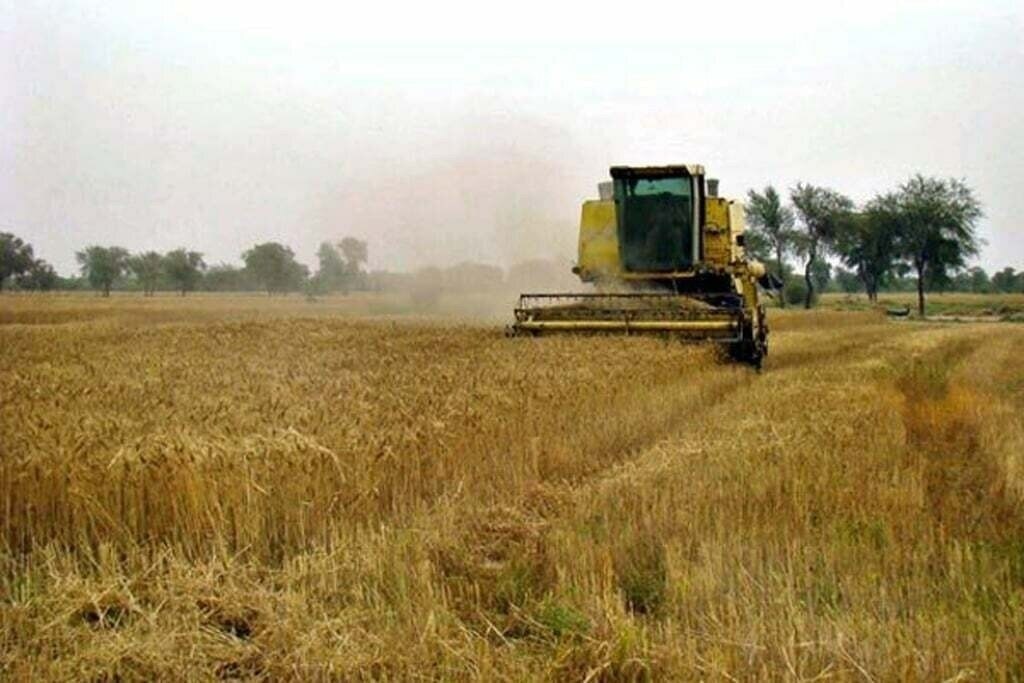

LAHORE: Speakers at a workshop were of the consensus that Pakistan’s agricultural future hinges on embracing scientific innovation, overcoming outdated perceptions, and urgently reforming policy to meet the country’s growing food security challenges.
Facing mounting pressures from a rapidly growing population, climate change, and declining arable land, Pakistan must chart a new course — one that integrates biotechnology, modern crop protection, and advanced breeding techniques to build a resilient and productive agricultural system.
The workshop was organized by the CropLife Pakistan entitled “Tools of Modern Agriculture” attended by the media representatives from Lahore and Islamabad. Speakers included Siang Hee Tan Executive Director CropLife Asia, Rashid Ahmad Executive Director CropLife Pakistan, Muhammad Asim, Muhammad Shoaib, Farmer representative Dr Zafar Hayat and top officials of different companies dealing in seed and other agricultural inputs.
Speakers said at the heart of this transformation lies Genetically Modified (GM) maize, a crop of critical importance to Pakistan’s economy and food system. Maize is cultivated across the country’s diverse agro-climatic zones and plays a vital role in human consumption, the livestock and poultry sectors, and the processing industry. With a turnover estimated at USD5 billion, the poultry sector alone consumes 70 percent of Pakistan’s maize production, which is growing at a rate of 10–12 percent annually. Maize also contributes USD300–600 million to the nation’s exports each year.
Despite its economic significance, the adoption of GM maize in Pakistan remains sluggish, largely due to lingering myths and regulatory stagnation. Misconceptions persist—fueled by misinformation and fear—that GM crops are hazardous to health or that they only benefit large agribusinesses. However, a global scientific consensus, supported by decades of evidence from countries like the USA, Brazil, and South Africa, shows that GM maize is safe for both human health and the environment. It offers powerful advantages such as increased yields, pest resistance — particularly against stem borers and fall armyworm — and greater resilience to drought and soil salinity. Yield gains of 20–30 percent compared to traditional varieties have been reported, translating into higher farmer incomes, reduced import reliance, and strengthened national food security.
Speakers underscored that Pakistan’s regulatory system must catch up with global best practices. Currently overseen by agencies like the Pakistan Environmental Protection Agency (Pak-EPA) and the National Biosafety Committee (NBC), the system needs greater transparency, efficiency, and scientific grounding. Bureaucratic delays and politically driven decision-making risk derailing progress at a time when farmers need immediate access to better technologies. A reformed biotech policy, aligned with international standards, would encourage investment, promote innovation, and enable Pakistani researchers to develop localized GM solutions.
Equally important is the need to improve public understanding through engagement and dialogue. Scientists, policymakers, and civil society must work together to address concerns and build trust. International collaboration can also help Pakistan tap into global expertise and germplasm resources, accelerating local development of high-performing crop varieties.
The workshop also highlighted the growing importance of modern crop protection tools — particularly biopesticides — as safer, more sustainable alternatives to traditional chemical pesticides. Derived from natural sources like microbes and plants, bio-pesticides break down quickly in the environment, reduce the risk of residue contamination, and target specific pests without harming pollinators or beneficial insects. Their role in Integrated Pest Management (IPM) systems makes them essential in combating pest resistance and protecting both human health and ecological balance.
Meanwhile, New Breeding Techniques (NBTs) such as gene editing are revolutionizing the way crops are developed. Tools like CRISPR-Cas9 allow scientists to make precise genetic changes, significantly reducing the time needed to develop new varieties. Unlike transgenic GMOs, gene-edited crops often face fewer regulatory hurdles in many countries, making them more accessible for swift deployment. For Pakistan, gene editing holds particular promise: it can help create locally adapted crop varieties with stacked traits like drought resistance, higher nutritional content, and pest tolerance, without relying solely on imported technologies. Early investments in this area will empower national research institutions and help farmers meet the challenges of tomorrow with confidence.
The protection of plant breeders’ intellectual property was also recognized as a critical pillar of agricultural innovation. The Plant Breeder Rights (PBR) Registry is working to formally recognize and protect over 200 plant species, ensuring that breeders are incentivized to continue developing improved varieties. This system supports fair access and benefit-sharing, which in turn encourages private sector investment and public research.
As the workshop concluded, there was unanimous agreement that Pakistan stands at a pivotal moment. Traditional farming practices alone will not be sufficient to meet future demands. A science-based, forward-looking approach — embracing GM crops, biopesticides, gene editing, and regulatory reform — is not just an option but a necessity. By adopting these innovations, Pakistan can ensure food security, protect its environment, uplift rural livelihoods, and lay the foundation for a dynamic, self-reliant agricultural economy.
The road ahead demands vision, courage, and a collective commitment to reform. If Pakistan is to feed its growing population and safeguard its future, the time to act is now.
Copyright Business Recorder, 2025




















Comments
Comments are closed for this article.