


Interview with Professor Karim F. Damji, Dean, Medical College, Pakistan at Aga Khan University: ‘Enhancing opportunities for blended learning and AI is key’
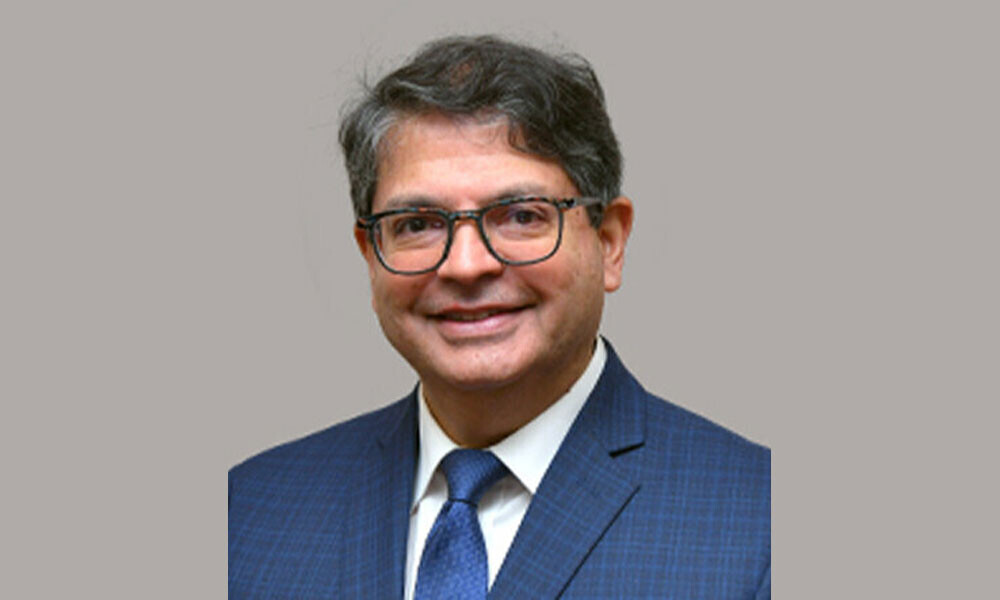

Professor Dr. Karim F. Damji has been appointed as the new Dean of the Medical College, Pakistan at the Aga Khan University (AKU) in August 2025.
He is an internationally recognized clinician-scientist with over three decades of experience in ophthalmology, academic leadership, and global health. His areas of expertise include glaucoma, minimally invasive glaucoma surgery, stem cell therapy, technology-enabled access to eye care, and medical education reform.
He earned his MD from the University of British Columbia in 1987, followed by fellowships in ocular pathology (UBC), ophthalmic genetics (Duke University), and clinical glaucoma (Duke University), as well as an Executive MBA from Queen’s University in 2005.
Prior to becoming Dean, Dr. Damji served as the inaugural Laila Endowed Chair of Ophthalmology and Visual Sciences at AKU and held leadership positions in Canada, including Professor and Chair of Ophthalmology at the University of Alberta.
Author of more than 180 peer-reviewed publications and senior editor of the Shields Textbook of Glaucoma, he has been recognized globally for his pioneering work in glaucoma and his contributions to teaching, research, and global health.
Following are the edited excerpts of a recent conversation BR Research had with him:
BR Research: How does it feel to assume the role of Dean at the Aga Khan University Medical College?
Karim Damji: Absolutely amazing! I am humbled and incredibly grateful to have the privilege of serving such a remarkable institution that has a compelling vision and an uncompromising commitment to excellence – in patient care, education, research, and professional development. Insha’Allah through these endeavours we will be able to continue improving the quality of life of those we seek to serve.
BRR: As the new Dean, what is your vision for further elevating AKU’s academic programmes to ensure the Medical College continues to set benchmarks in medical education, both nationally and globally?
KD: Our pro-chancellor recently reminded our graduates that our hope is that they step out into the world with confidence, curiosity, and compassion, and that they honour and sustain the legacy of our Founding Chancellor. The Chancellor’s vision is what inspires and unites us and motivates us to ethical action.
We will continue to innovate and evolve our programs to take into account best practices in competency based medical education. The quality of our programs will continue to be monitored and evaluated, and we will continue to seek appropriate international accreditations.
Areas where I would like to see us to strengthen in our various medical college programs include environment/planetary health, pluralism, AI, ethical leadership, personalised medicine, learning health systems and interprofessional education.
There are a number of new programs we are looking at including in allied health and graduate studies. While engaging in this work, we will need to innovate in our teaching and assessment methods and also continue to ensure the professional development of teachers as well as support the well being of all stakeholders.
BRR: With the rapid evolution of medicine and healthcare delivery, what innovative teaching and learning strategies do you believe are essential to prepare the next generation of physicians and healthcare leaders?
KD: Enhancing opportunities for blended learning, the use of AI, simulation, and interprofessional collaboration are important. We also want to ensure students continue to obtain exposure to diverse geographic contexts including spending time in under privileged communities.
Another strategy is to build on our continuing professional development programs and offer more certificate courses/micro-credentials.
BRR: What steps do you envision to strengthen a culture of continuous academic improvement, integrity, and student-centred learning within the Medical College?
KD: We have a strong governance model that reviews academic programs and takes into account the voices of our learners as well as best thinking and practices locally and globally.
BRR: What do you see as the most pressing academic challenges facing medical education in Pakistan, and how do you plan to address them at the institutional level?
KD: There needs to be a constant focus on attracting the most diverse and meritorious students for new programs we offer. We are addressing this by continuously enhancing the teaching and learning environment in our various programs.
Retention of qualified faculty can also be a challenge at times. We are constantly asking ourselves how we can ensure as enabling an environment as possible to ensure facutly remain and thrive.
BRR: How important is faculty development and leadership growth in your strategic priorities, and are there any initiatives you have envisioned to build a thriving academic community at AKU?
KD: These areas are absolutely critical. We insist on continuous faculty development and have various processes to support these endeavours. Leadership development is being fostered via courses we offer, opportunties to participate in program development and implementation/committee work and mentorship frameworks. We are instituting a working group to look at how we can further strengthen leadership development and advocy skills for students and faculty.
The other area that is important is fostering collaborations within AKU/AKDN as well as outside and enabling more partnerships. Joint endeavours engaging diverse talent can lead to impressive results and greater opportunties to mobilize human, financial and other resources.
BRR: How can academic institutions contribute to evidence-based policymaking in Pakistan?
KD: Academic institutions can enhance relationships with policy makers, design, pilot and evaluate relevant program and gather evidence to support policy related discussions and decisions. We are developing a knowledge translation unit that will help us to share research findings with the public as well as with policy makers.
BRR: Aku has a strong tradition in research. What areas of medical research do you see as most critical for Pakistan and the region in the next decade, and how will medical college drive advancements in those fields?
KD: The areas that are critical include prevention and management of infectious as well as non-communicable diseases. Examples of the latter include diabetes, cardiometabolic disease, cancer and maternal and child health, climate and environmental health, mental health and neurodevelopment, trauma and prevention of trauma, genomics, stem cells, precision health and educational research.
Our approach will consider our principles of IQRA – impact, quality, relevance and access. We will maintain a resolute commitment to excellence, societal relevance and service through knowledge with the goal of improving health related quality of life.
Our research is focused on translational work which will benefit patients whether from bench to bedside, clinical trial or community/population-based research.
We will focus on genomics, big data/informatics and other research that will guide precision medicine in our contexts and develop guidelines and care pathways. A great example is our AKU Manual for Clinical Practice Guidelines (link). We are looking at ways of embedding this throughout Pakistan, ensuring updates as and when needed, and facilitating as well as monitoring is implementation.




















Comments
Comments are closed for this article.