


Miftah says Pakistan’s current system hinders progress, calls for reforms
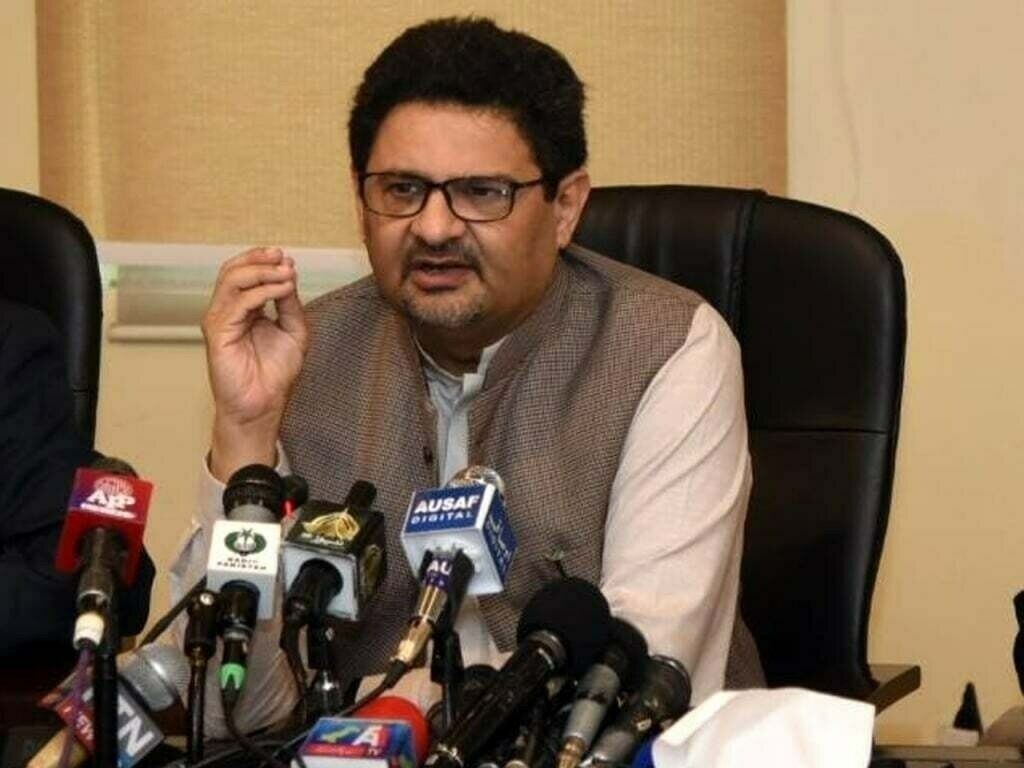

KARACHI: Former federal finance minister Dr Miftah Ismail called for bold reforms to benefit people and businesses, warning that Pakistan’s current system is holding back progress.
He highlighted high inflation, rising unemployment, heavy taxation, and costly energy as major obstacles to growth and public welfare, urging immediate action to restore stability and competitiveness.
Dr. Ismail was the Chief Guest and Keynote Speaker at the Institute of Cost and Management Accountants of Pakistan (ICMA) Thought Leadership Lecture Series, held at the ICMA Head Office in Karachi. The session also featured the launch of “Pakistan’s Cement Sector: Growth, Performance and Company-to-Company Analysis 2018–2024”, authored by Muhammad Bashir Khan, FCMA, who also presented a brief overview of the book.
In his address, Dr. Ismail outlined Pakistan’s economic challenges. He noted that per capita GDP lags behind regional peers, fiscal deficits are widening, and public welfare is eroding. He stressed that while the effective tax rate approaches 40%, Pakistan lacks comparable welfare services. Energy costs further disadvantage domestic industry, as electricity production is nearly 20% cheaper in Bangladesh.
He also highlighted weaknesses in law and order, pointing out that bureaucratic delays and costs in filing FIRs erode trust in the justice system. The education crisis, he said, is Pakistan’s most alarming challenge: nearly 40% of children aged 5–16—about 400,000 in Punjab and 1.7 million in Sindh—are out of school, while literacy rates in KP are declining.
He warned that while other countries prepare students for STEM and AI-driven education, Pakistan struggles to provide even basic literacy and numeracy. Inadequate healthcare infrastructure further undermines productivity and long-term growth.
Calling for reforms, Miftah emphasized a comprehensive overhaul of Pakistan’s current system. He suggested revising the NFC Award, strengthening local governance, considering new provinces, eliminating distortionary taxes such as the Workers’ Welfare Fund, rationalizing energy tariffs, encouraging selective privatization, expanding property taxation, and mobilizing domestic resources. He also stressed investment in public transport, renewable energy, and underutilized sectors such as the aqua economy, while prioritizing education and skills development.
Copyright Business Recorder, 2025




















Comments
Comments are closed for this article.