


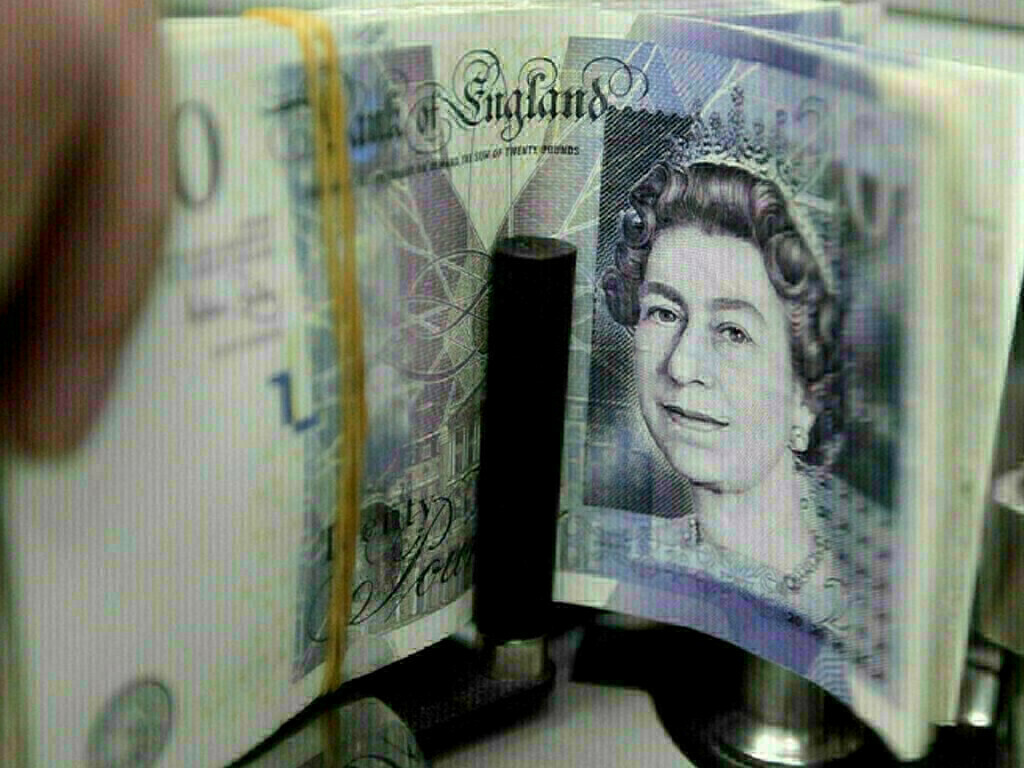

LONDON: The pound rose to three-week highs against the dollar on Wednesday, as investors grew increasingly convinced that U.S. interest rates are likely to fall more quickly than British ones, following a benign reading of U.S. inflation.
Data on Tuesday showed U.S. consumer prices rose by an annual 2.7% in July, compared with expectations for 2.8%.
An underlying measure of inflation that excludes food and energy rose more quickly than forecast, up 3.1% year-on-year, versus expectations for a rate of 3%, reflecting the increased cost of some goods and services, as tariffs started to kick in.
Sterling, which has gained 8.3% this year against the dollar, was last up 0.5% at $1.3569, having hit a session peak of $1.3578, the most since July 25.
The pound has risen by nearly 2.4% in August against the dollar, which, if maintained, would be the largest monthly increase since April.
Money markets show traders fully expect the Federal Reserve to lower borrowing costs in September and see a strong possibility of further easing by year-end, following the CPI data. Last week’s employment report showed the U.S. economy created far fewer jobs than expected between May and July, putting a September rate cut firmly on the table.
In contrast, UK labour data on Tuesday showed weakness in hiring but persistent wage growth, a positive for British consumers but a headache for the Bank of England, which is juggling the risks of a slowing economy and stubborn inflation.
The BoE last week cut rates, but signalled concern over the outlook for UK inflation.
Traders now think the next BoE cut might only come in November. If both scenarios play out, UK rates would end the year roughly on a par with U.S. ones, around 3.7-3.8%, which, in theory, removes some of the dollar’s competitive advantage against sterling.
Next up for UK markets is gross domestic product data on Thursday, which economists expect to show the UK economy expanded by 0.1% in the three months to June, compared with an expansion of 0.7% in the first quarter, based on data from the Office for National Statistics.
“Sterling’s resilience underscores how sensitive the currency is to rate expectations. Tomorrow’s flash Q2 GDP reportis the next hurdle; we expect a slight uptick in quarterly growth, but any disappointment could prompt a reversal in recent gains,” analysts at Monex said.




















Comments
Comments are closed for this article.