


Pakistan embassy to host matchmaking event for Pak, Chinese entrepreneurs
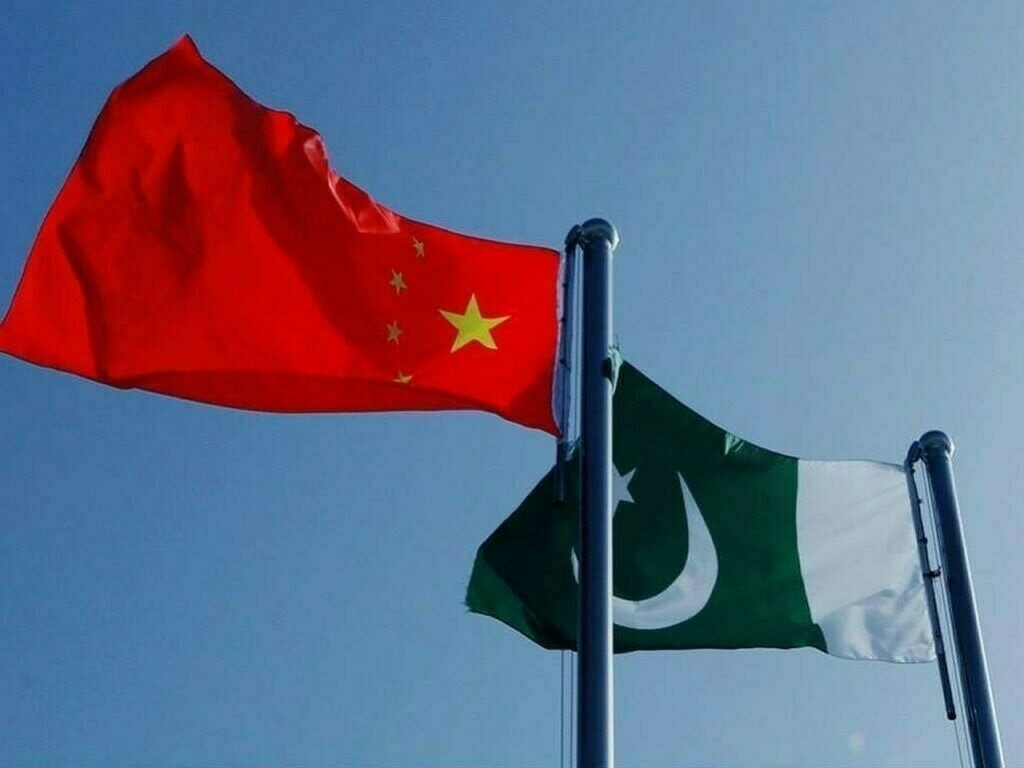

BEIJING: In a bid to attract investment and strengthen business ties, the Pakistan Embassy in China will organise a matchmaking event between Pakistani and Chinese entrepreneurs in Beijing by the end of next month.
“We are expecting 100 to 150 Pakistani business leaders or company representatives to visit China during the upcoming meeting of heads of government of Shanghai Cooperation Organization (SCO) member states. For them, we are arranging matchmaking sessions with nearly 300 Chinese companies,” Ghulam Qadir, Commercial Counsellor at Pakistan Embassy in Beijing said on Sunday.
Talking to APP, he noted that meetings will be scheduled in advance, allowing participants to familiarise themselves beforehand. “Rather than meeting for the first time on the event day— which usually leads to limited outcomes— we aim to facilitate meaningful connections through early engagement and preparation,” he explained.
Team comprising over dozen Chinese companies arrives in Pakistan
A ministerial committee led by Federal Minister for Planning, Development and Reforms, Ahsan Iqbal, has been formed to oversee the initiative. Federal Commerce Minister Jam Kamal Khan serves as the convener, while Special Assistant to the Prime Minister for Industries and Production, Haroon Akhtar Khan, is the co-convener.
Ghulam Qadir expressed optimism about the event’s impact, anticipating significant results and long-term benefits. He highlighted seven priority sectors identified to boost Chinese investment and bilateral trade: Electric Vehicles (EVs) & Battery Storage, Solar Panel Manufacturing, Steel, Copper, Food & Agriculture, Information & Communication Technology (ICT), and Chemicals/ Petrochemicals.
Qadir emphasised the potential of electronic vehicles or EVs in reducing Pakistan’s fuel import bill, which amounts to billions of dollars annually. The government has launched a new EV policy and aims to attract more investment from companies like BYD, Geely, and Chery in Pakistan. The sectors including battery production, and charging infrastructure will also improve.
With over $2 billion spent annually on solar panel imports, Pakistan is seeking to localize production. “There are strong demand, an existing market, and the potential for exports,” he said, noting that local manufacturing will cut imports and generate jobs.
The government is also looking to introduce green steel technology from China, Qadir noted, adding that steel is essential for EVs, construction, and other key industries. Pakistan offers ample land and demand for setting up such industries.
Currently, Pakistan exports raw copper worth around $1 billion. “We aim to process and refine copper locally, increasing export value to $4–5 billion with the right investments,” he said, adding that collaboration with Chinese firms is crucial.
Terming food and agriculture sectors the backbone of the economy, Qadir said the government is focusing on improving crop yields, livestock quality, and food processing capabilities. This would enable Pakistan to export surplus agricultural products to meet China’s growing demand.
In the area of Information & Communication Technology, Pakistan has a skilled and cost-effective tech workforce, while China has a huge market,“ he said, emphasising the scope for partnerships in the ICT sector.
Pakistan imports significant volumes of oil and petroleum products. “We are encouraging joint ventures with Chinese companies for investment and technology transfer in petrochemical sectors which would help serve local needs and open up export opportunities,” he said.
Qadir concluded by stressing the need for robust cooperation in these seven sectors, alongside chemicals and petrochemicals. He stated that such partnerships will drive technology transfer, attract foreign investment, expand local manufacturing, increase exports, and create employment opportunities in Pakistan.

























Comments
Comments are closed for this article.