


Bureaucracy main hurdle to uplift: PM
- Urges sweeping reforms aimed at modernising governance
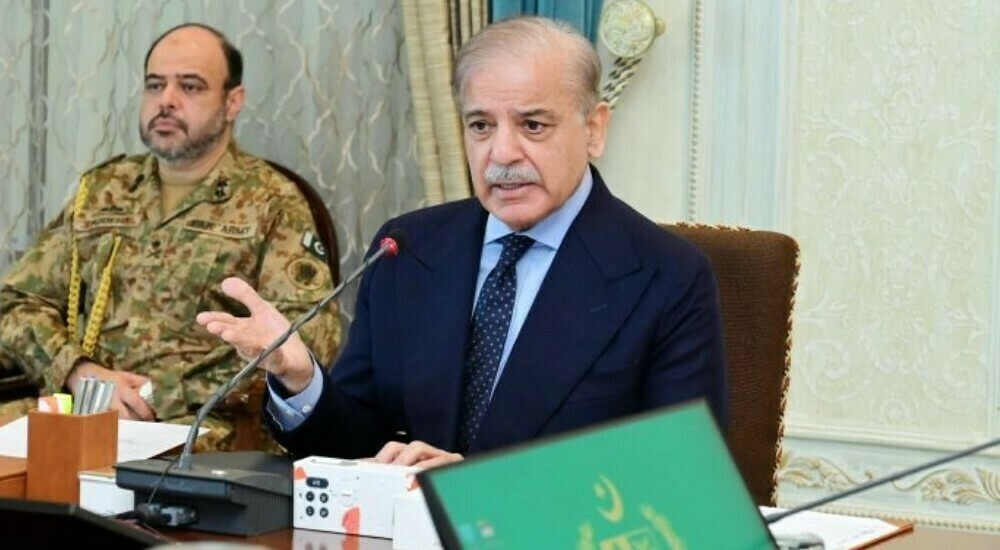

ISLAMABAD: Prime Minister Shehbaz Sharif on Friday launched a scathing critique of the decades-old bureaucratic system, labelling it a serious impediment to national development and urging sweeping reforms aimed at modernising governance and improving performance across public sector institutions.
The prime minister while chairing a high-level meeting said the administrative structure that has steered the country for over seven decades was now outdated and ill-suited to the demands of a modern, fast-evolving world.
He warned that without fundamental changes, economic growth and sustained prosperity would remain out of reach.
Modernising bureaucracy: CSRC weighs restructuring options
“Without aligning the outdated system with modern requirements, economic progress and prosperity in the country are not possible,” PM Sharif stated during the session.
The meeting was convened to review a new expert-driven framework introduced by the Power Division, a model that the prime minister described as a potential blueprint for broader reforms across federal institutions.
The framework, already in motion, separates traditional policy-making and oversight functions from a newly-created technical division comprised of subject specialists tasked with implementation, innovation, and strategic planning.
Sharif commended the Power Division, led by Minister Awais Leghari, for taking the lead in pushing forward with tangible reforms. He noted that the changes underway had significantly reduced financial losses and generated savings amounting to billions of rupees for the national exchequer.
According to a briefing given to the prime minister, the Power Division has successfully carried out 134 strategic directives under the National Electricity Plan.
The move to professionalize and decentralize key technical functions, officials said, represents a major step towards more efficient and accountable governance.
Encouraged by the success of the Power Ministry’s approach, the prime minister voiced strong support for replicating the model in other federal departments.
He emphasised the need to bring on board “internationally renowned experts” and to tap into the expertise of the global Pakistani diaspora.
“Talented Pakistanis are making the nation proud around the world,” Sharif said. “Now is the time to harness that expertise at home.”
To take this vision forward, Sharif directed the establishment of a government committee charged with preparing concrete proposals for restructuring federal ministries and institutions.
The committee will work in line with the Ministry of Power’s model and will focus on attracting top-tier talent, streamlining internal processes, and digitizing operations.
The prime minister’s comments reflected both deep frustration with entrenched inefficiencies in the civil service and a strong desire to position his government as a reform-oriented administration.
Previous attempts at reforming the bureaucracy have often faltered due to institutional inertia and changing political priorities. However, Sharif appeared determined to overcome these obstacles.
“One of the government’s top priorities is to turn an analogue state into a digital one,” he remarked, underlining his administration’s intention to embrace modern governance tools and systems.
The meeting was attended by several senior members of the Cabinet, including Awais Leghari, Minister of State Bilal Azhar Kayani and others.
Copyright Business Recorder, 2025


























Comments
Comments are closed for this article.