


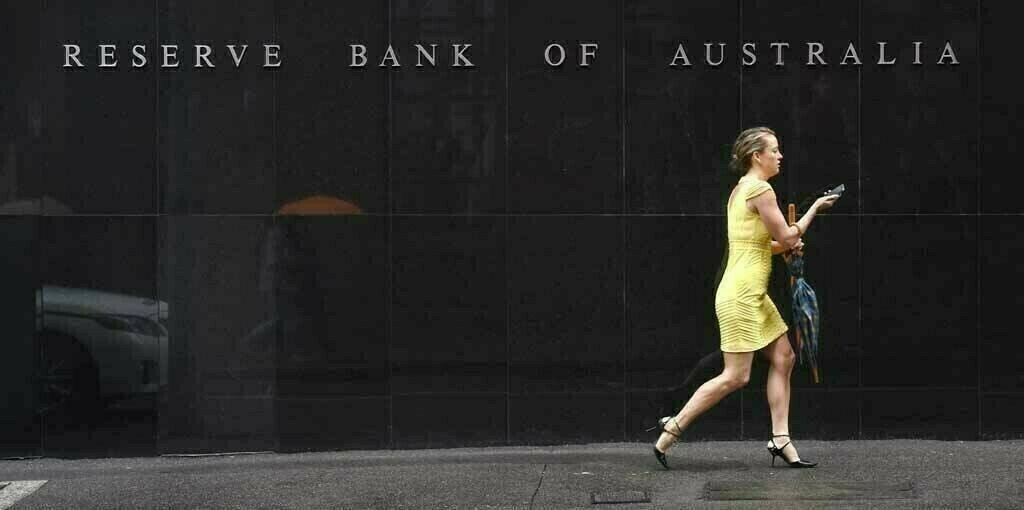

SYDNEY: Australia’s top central banker again projected further interest rate rises in coming months and said the pain was worth bearing to bring inflation down.
Speaking before members of parliament for the second time this week, Reserve Bank of Australia (RBA) Governor Philip Lowe said the extent of further interest rate rises would depend on the global economy, household spending and the outlook for inflation and the labour market.
“Based on the currently available information, the (RBA) Board expects that further increases will be needed over the months ahead to ensure that inflation returns to target and that this period of high inflation is only temporary,” Lowe said.
“If we don’t get on top of inflation and bring it down in a timely way, the end result will be even higher interest rates and more unemployment in the future.” Lowe delivered a similar message to members of parliament on Wednesday.
The RBA last week lifted interest rates by a quarter point to a decade-high of 3.35%, bringing its tightening since May to 325 basis points.
It flagged that more increases would be needed to contain inflation, which is running at a three-decade high of 7.8%. Markets responded by raising the expected peak for short-term interest rates to around 4.1%, from 3.6% a month previously, implying three more rises to come.
Australia central bank raises rates to decade-high, warns more to come
Market prices also imply that interest rates will fall next year.
Lowe said the scenario was plausible if the RBA could get on top of inflation, with wage growth staying subdued. A few things would have to go right for that to happen, he added.
Jigsaw puzzle
When asked about seemingly soft jobs data for January, Lowe said it had not affected an RBA assessment that the labour market was still very tight. The central bank could reconsider that view if it saw another weak jobs report, though it did not expect one, he said. “We are not on a predetermined path with interest rates.
We meet every month and we are looking at all the pieces of the jigsaw puzzle every month and trying to put them together,“ said Lowe. “Our assessment at the last meeting is that we need to get it (the policy rate) up further but if information comes to suggest otherwise, we have the flexibility to adjust quickly.”
Interest rates implemented so far have lifted repayments on an average A$500,000 home loan by A$900 a month. Around 10% of owner-occupiers paying variable-rate loans had almost no cashflow left after meeting mortgage payments and living costs, said Brad Jones, an assistant governor of the RBA.
But half of variable-rate borrowers were more than a year ahead of required payments, he said. Housing prices fell for the ninth straight month in January, when they were 8.9% below their April peak.


























Comments
Comments are closed for this article.