


Bitcoin tumbles over 4pc after Turkey bans crypto payments citing risks
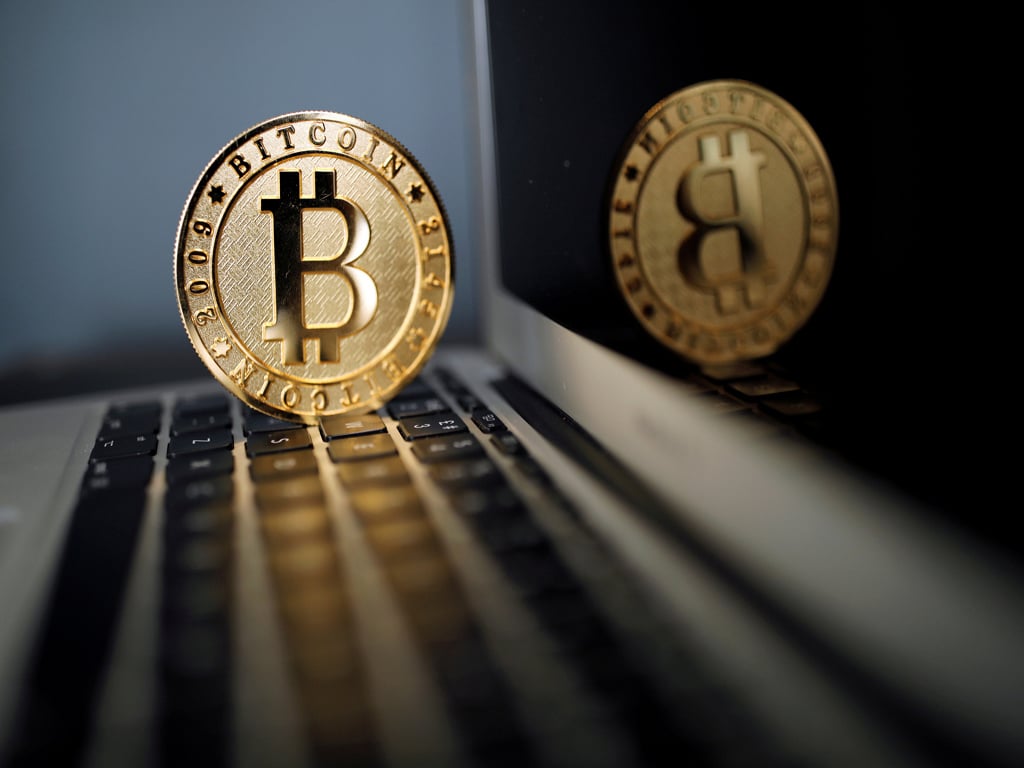

ANKARA: Bitcoin tumbled more than 4 percent on Friday after Turkey’s central bank banned the use of cryptocurrencies and crypto assets for purchases citing possible “irreparable” damage and transaction risks.
In legislation published in the Official Gazette, the central bank said cryptocurrencies and other such digital assets based on distributed ledger technology could not be used, directly or indirectly, to pay for goods and services.
The decision could stall Turkey’s crypto market, which has gained momentum in recent months as investors joined the global rally in bitcoin, seeking to hedge against lira depreciation and inflation that topped 16% last month.
Bitcoin was down 4.6% at $60,333 at 1117 GMT after the ban, which was criticised by Turkey’s main opposition party. Smaller coins ethereum and XRP, which tend to move in tandem with bitcoin, fell between 6%-12%.
In a statement, the central bank said crypto assets were “neither subject to any regulation and supervision mechanisms nor a central regulatory authority”, among other security risks.
“Payment service providers will not be able to develop business models in a way that crypto assets are used directly or indirectly in the provision of payment services and electronic money issuance” and will not provide any services, it said.
“Their use in payments may cause non-recoverable losses for the parties to the transactions ... and include elements that may undermine the confidence in methods and instruments used currently in payments,” the central bank added.
This week Royal Motors, which distributes Rolls-Royce and Lotus cars in Turkey, became the first business in the country to accept payments in cryptocurrencies.
Crypto trading volumes in Turkey hit 218 billion lira ($27 billion) from early February to 24 March, up from just over 7 billion lira in the same period a year earlier, according to data from US researcher Chainalysis analysed by Reuters.
Trading spiked in the days after Erdogan replaced the bank governor, sending the lira down as much as 15%.
Last week, Turkish authorities demanded user information from crypto trading platforms.
Cryptocurrencies remain little-used for commerce even as they become increasingly mainstream global assets, although companies including Tesla Inc and travel site Expedia Group Inc do accept such payments.



















Comments
Comments are closed for this article.