


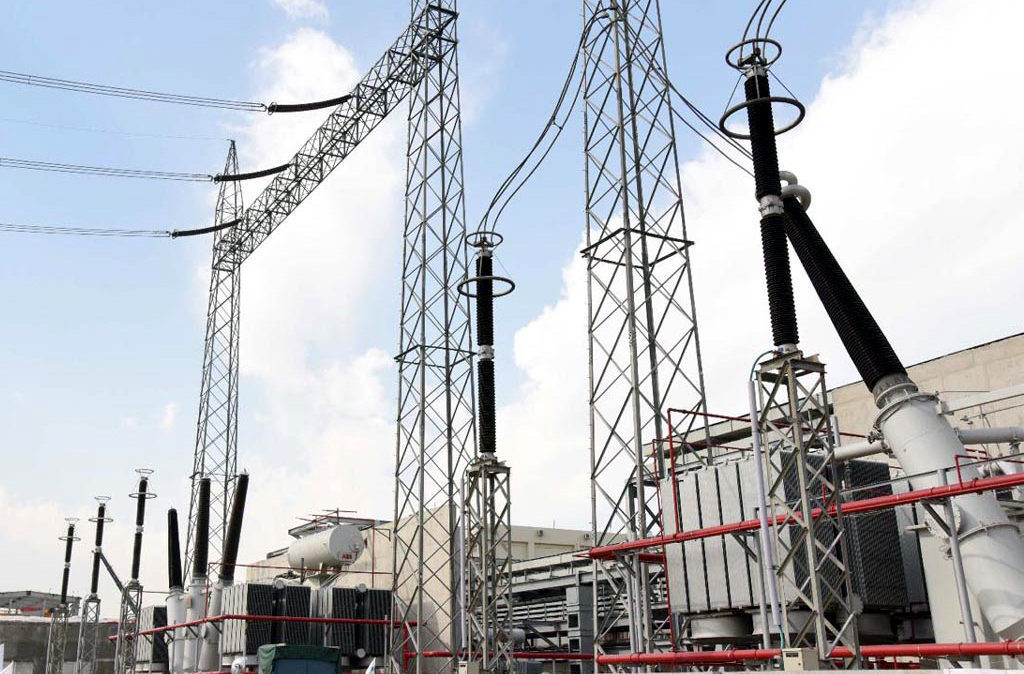

Nepra has finally approved the government’s motion for base tariff revision submitted earlier this month, and unsurprisingly, there are no changes to what the government had asked for. The average national tariff will stand at Rs14.84 per unit, nearly 30 percent higher than previous base tariff announced in January 2019.
The subsidy will amount to Rs1.85 per unit, to make up for Rs200 billion that the government has decided to absorb. Ninety percent of the consumer end tariff constitutes of the all-important Power Purchase Price (PPP), which stands 23 percent higher in absolute terms and 27 percent higher in unit terms, at Rs1514billion and Rs15.04/unit, respectively.
There is much in the revised base tariff that will raise the need for more rounds of quarterly tariff adjustments on the higher end, or a buildup in circular debt. The chief reason is the rather optimistic treatment of the transmission and distribution losses. The allowed limit has been lowered by over 2 percentage points – which is more than 4 percentage points lower than the most recent actual reported T&D losses.

Nothing on the surface suggests that picture is going to change anytime soon. This alone promises to add Rs60-70 billion to the non-funded buildup. The denominator has also reduced from the previous tariff revision, which is very alarming. In a scenario where more and more power plants are expected to be added to the grid when the already connected ones are proving surplus to the requirements at most times, stagnant demand is one of the bigger headaches.
Much of the increase in capacity charges owes to rupee depreciation in the last two and a half years. Ever increasing reliance on imported, although improved, fuel mix has also contributed to the fuel component of the PPP. Both the capacity and fuel components of the PPP showing considerable increase is far from desired, as the benefit of improved fuel generation mix never really transpired into reduced tariffs.
What has also altered significantly from the previous revision is the consumption patterns for the domestic sector. The biggest change is observed in the lowest consumption segments of up to 50 and 0-100-units category – which has been slashed to half from last time. The combined share in total domestic consumption also goes down from 34 percent to a little under 20 percent. Similarly, the 301-700-units category has seen its share doubled to 22 percent.
This is how the required revenues are slated to be achieved. But if the situation on ground has not changed as drastically as the tariff workings show, then there is significantly higher amount of revenue shortfall than budgeted - looking down the barrel. This should also ideally lead to significant changes in the way how PBS computes electricity tariff changes, as the consumption weights for the two lowest quintiles have changed, a great idea. But that would be too much to ask for the PBS, as it clearly is not fond of altering methodology “mid-way”.



















Comments
Comments are closed for this article.