


Germany sees signs of virus curve flattening
- Germany reported 21,866 new cases of Covid-19 over the last 24 hours, according to RKI data.
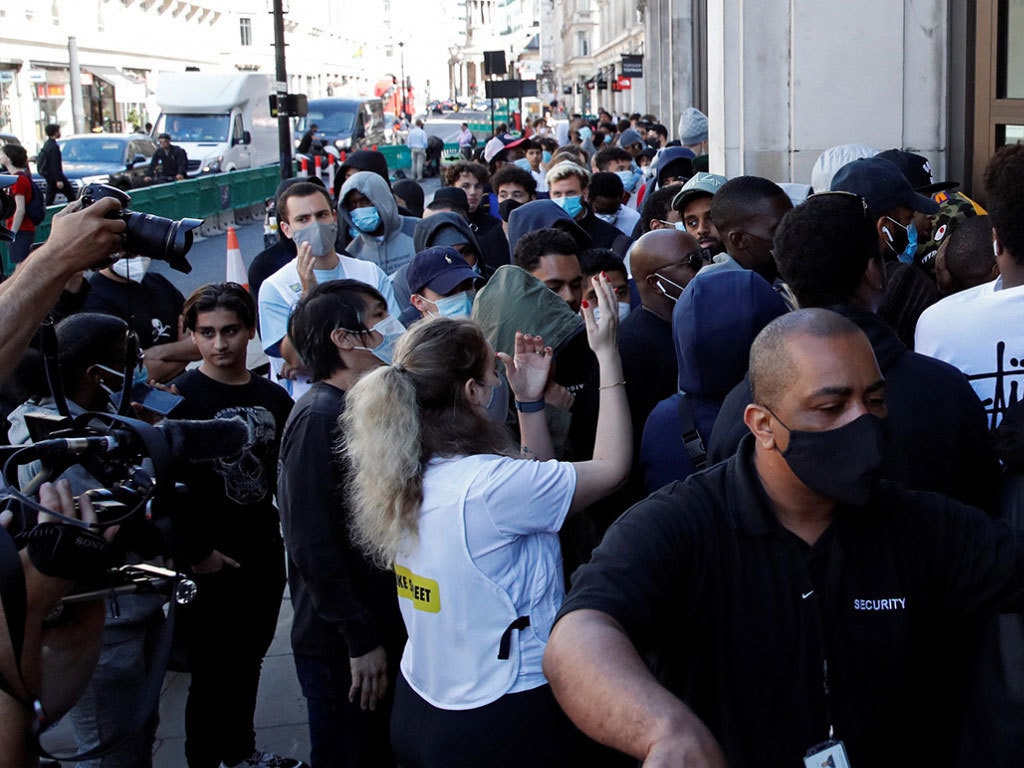

BERLIN: Germany is seeing tentative signs that a surge in coronavirus infections may be easing, officials said Thursday, giving credit to anti-transmission measures that they warned would have to be maintained through winter and beyond.
"The curve is flattening," said Lothar Wieler, who heads the country's disease control agency RKI.
Falling daily new infection figures show "we are not helpless against this virus" and that restrictions such as social distancing and mask wearing can help halt the march of Covid-19, he added.
Germany reported 21,866 new cases of Covid-19 over the last 24 hours, according to RKI data.
The key reproduction figure has fallen below 1 to 0.89, meaning that 100 people are passing on the virus to 89 others -- a sign that transmission is slowing.
Despite the encouraging data, the Robert Koch Institute chief said the situation could worsen in the coming weeks in hospitals, which may "reach their limits".
"We must prevent the situation from deteriorating," he said, stressing Germany's aim is to bring infection numbers down to a level that the healthcare system can cope with.
Wieler urged Germans to keep social contacts to a minimum, saying the so-called AHA-L measures would still be necessary even if a vaccine is available because it will take time to roll out the jabs.
Under Germany's AHA-L rule mantra, individuals are urged to maintain distances of at least 1.5 metres (five feet), wash their hands regularly, wear masks in indoors or crowded outdoor places as well as airing out rooms.
Germany reimposed tough curbs this month to help slow the outbreak, with leisure and cultural centres closing and restaurants and bars only allowed to offer takeaway.
Chancellor Angela Merkel is due to hold a new round of talks with regional leaders of Germany's 16 states on Monday to take stock of the situation and examine if the restrictions should be maintained or toughened.
Taking questions during a citizens' dialogue, Merkel told a Bavarian hotel manager that if people behaved "reasonably,... we might have a chance" of slowly re-opening in December.
But the veteran leader has also begun managing Germans' expectations for Christmas, saying that she could foresee small family gatherings but no lavish parties.
Health Minister Jens Spahn said it was clear that the Christmas festive season would be accompanied by restrictions.
The virus "takes a long time to brake," he told regional radio RBB.
"Even if we managed to bring the numbers down now, it doesn't mean that people can just get going everywhere again in December or January."
"Partying over Christmas like nothing is going on won't work," he warned.
For the health minister, parties with more than 10 people this winter are not on if Germany wants to keep the pandemic under control.
With an eye on rising infections in schools, several German states have mooted the idea of lengthening the Christmas vacation to keep the population home and break the chain of transmission.
Merkel has warned that only when 60 to 70 percent of the population has achieved immunity can Covid-19 be deemed to have been "more or less overcome".




















Comments
Comments are closed for this article.