


Russian oil flows back to Europe from Asia, pricing weakens
- Urals differentials to the benchmark Brent blend in northwestern Europe, a key metric for the pricing.
- He had long complained about Urals' discount to Brent, questioning if the pattern was justifiable.
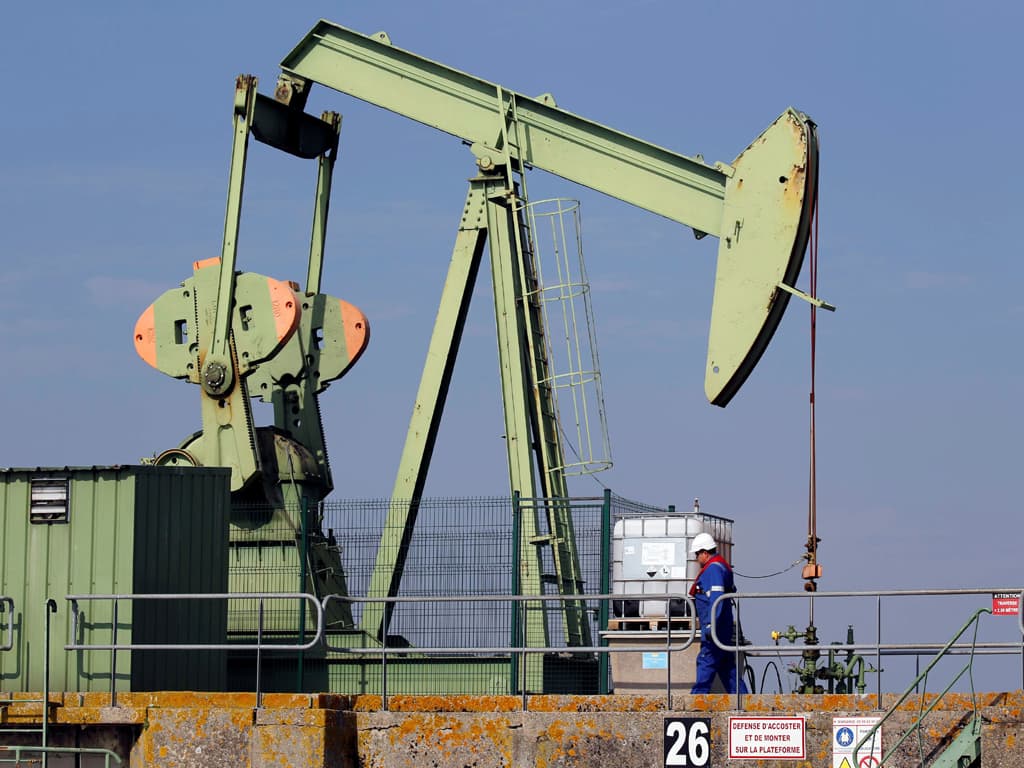

MOSCOW: Sluggish demand in Asia and rising fuel flows to Europe have dampened pricing for Moscow's flagship Urals crude oil blend, setting the stage for a protracted period of weak prices for the Russian oil, traders said on Thursday.
Urals differentials to the benchmark Brent blend in northwestern Europe, a key metric for the pricing, reached an all-time high of $2.35 per barrel at the end of April, in line with a long-term goal of Russian President Vladimir Putin.
He had long complained about Urals' discount to Brent, questioning if the pattern was justifiable.
The Urals' differentials improved in late spring when demand in China, where economic activity got revitalised following an easing of the coronavirus-related lockdowns and appetite for the relatively cheap Russian oil increased.
In May and June, some 1.5 million tonnes of Urals each month were redirected to Asia from Europe as part of the arbitrage deals, according to Refinitiv Eikon data.
Those flows declined in the following two months, when the joint supplies of Urals and CPC Blend plummeted to 0.6-0.7 million tonnes per month from a record high of 5.6 million tonnes in April, the data showed.
Arbitrage flows for Urals completely dried up in July.
Urals also took a hit from rival oils, such as Norway's Johan Sverdrup and CPC Blend, sourced in western Kazakhstan, as European refineries searched for alternative grades due to the shortage of Urals.
Refinitiv Eikon data showed that supplies of Johan Sverdrup to Asia fell to 600,000 tonnes from around 1.5 million tonnes each month in April and May, indicating strong demand for the blend in Europe.
In August, Urals' differential to dated Brent slumped to a discount.
It returns to a premium from time to time, but traders believe it is on course for a long period of a discount.





















Comments
Comments are closed for this article.