


India central bank outlines guidelines on debt resolution for stressed sectors
- It is good that the pre-COVID parameters are being considered as it will allow genuine companies to get a chance at restructuring which can be effective.
- The RBI said it had broadly accepted the recommendations of the expert committee.
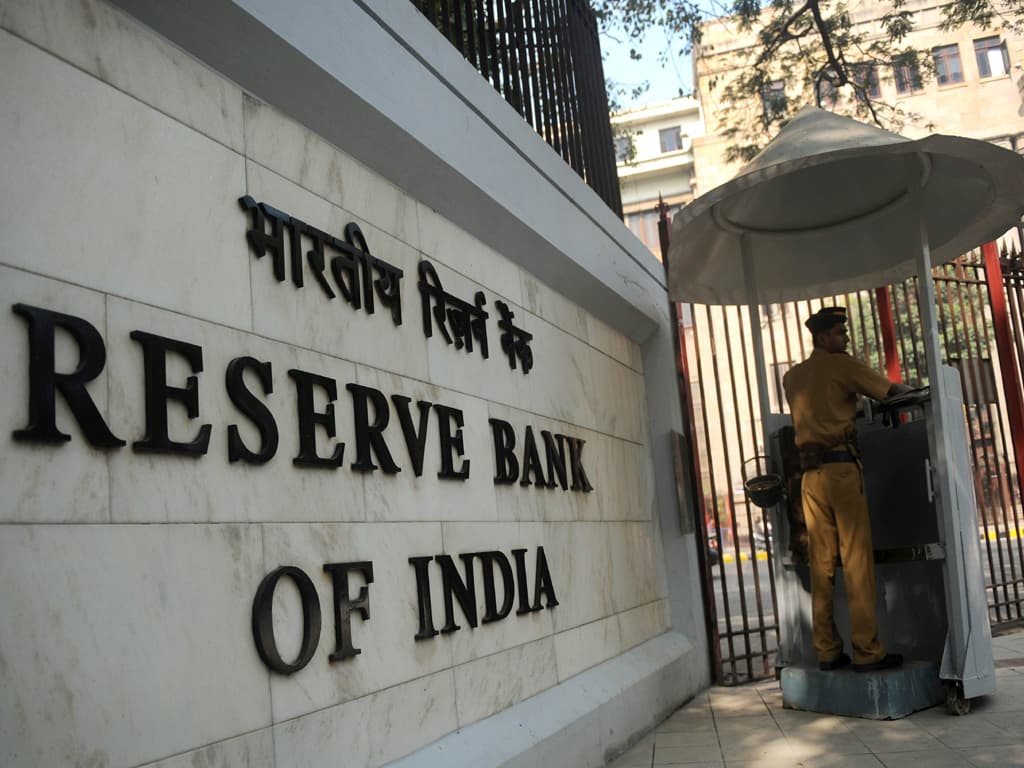

MUMBAI: A committee set up by India's central bank to make recommendations on restructuring loans for the Indian banking sector has submitted its report and it has been broadly accepted, the Reserve Bank of India said.
The committee has recommended five financial ratios such as total outstanding liabilities, total debt and debt service coverage ratio for 26 sectors which could be factored in by lenders while finalizing resolution plans for borrowers.
Apart from these, banks can also consider other financial parameters. Lenders have been directed to consider the pre-COVID-19 financial performance of the company for considering the resolution plan.
"It is good that the pre-COVID parameters are being considered as it will allow genuine companies to get a chance at restructuring which can be effective," said Siddharth Purohit, an analyst at SMC Instituional Equities.
These sectors include aviation, hospitality and real estate, which are some of the most stressed sectors in the economy due to the impact of the pandemic.
The RBI said it had broadly accepted the recommendations of the expert committee.
Now all eyes are on banks to see how the resolution framework is implemented.
"The broad parameters suggested by the committee specify the boundary conditions for restructuring but the efficacy of resolution plans would depend on the appropriateness of the assumptions taken by lenders while taking a view on business recovery," said Jitin Makkar, analyst at credit rating agency ICRA.
The RBI had formed a committee under K.V. Kamath, the former head of the New Development Bank, set up by the BRICS to come up with guidelines for the resolution framework.
Lenders will need to make an additional 10% provisioning for the loan accounts that are being restructured.
The RBI has previously warned that bad loans in the Indian banking system could rise to 15% in a worst-case scenario. Gross Non-performing assets in March were at 8.5% of total loans.






















Comments
Comments are closed for this article.