


Eurozone central bankers welcomed a plunge in oil and commodities prices on Friday, saying it could cool inflation, but gave no sign they would change their determination to tighten monetary policy this year. "The fall in the price of oil and commodities is good to take for all reasons, certainly for inflation, not only immediately but with the danger of second-round (effects) in the medium run," European Central Bank President Jean-Claude Trichet said.
Trichet, speaking at an international conference of central bankers in Helsinki, was referring to the risk that high oil prices could create pressure for inflation to rise by boosting wage demands across the economy. "It is also good to take in terms of consolidating the recovery because any increase in the price of oil and commodities has an inflationary impact and a depressive impact (on growth)," Trichet told CNBC television.
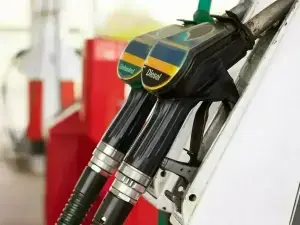
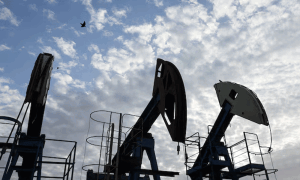
Oil prices sank 5 percent on Friday, extending Thursday's 10 percent crash. Some traders said concern about a possible slowdown of the global economy had helped to trigger panic selling in the commodities markets.
But in an interview with Reuters Insider television, Trichet gave no sign that the ECB would change its intention to tighten policy gradually this year. Last month it raised interest rates for the first time since July 2008, and markets expect a further two hikes this year.
"We have a new rendezvous in our next meeting (in June), where we will have the new projections, have a wrapup of all the new data. We will observe what we have to do at that time," Trichet said. Two other members of the ECB's 23-member Governing Council indicated in Helsinki that the central bank still felt its main worry was not tightening policy fast enough.
On Thursday, an ECB policy meeting decided to keep interest rates unchanged this month, and some investors interpreted a news conference by Trichet as suggesting the ECB's next rate hike might come only after July. But Austrian central banker Ewald Nowotny said on Friday such an interpretation was wrong. "I definitely think it is an over-interpretation. There can be no idea about being dovish," he told reporters.
He also said two days of oil price falls were not enough for the ECB to change its view, because the central bank based its policy on medium-term trends. "We look at this in a medium-term perspective, not in the short term...I'm not in the business of making forecasts for oil prices," Nowotny said. Athanasios Orphanages, governor of the Bank of Cyprus, said inflation could become much more damaging in the long term if policymakers were too optimistic about how fast economies could grow without becoming unstable.



















Comments
Comments are closed for this article.