


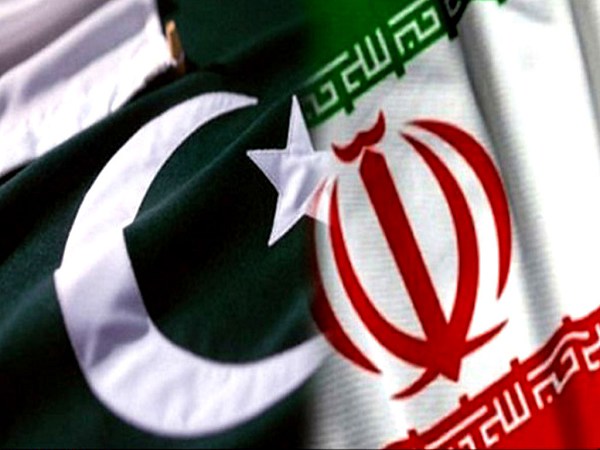
Pakistan, Iran to discuss FTA prospects

MUSHTAQ GHUMMAN
ISLAMABAD: Commerce Minister Engineer Khurram Dastgir Khan will visit Iran on December 28-29, 2016 on the invitation of Iranian Minister for Industries, Mines and Trade Mohammed Reza Nematzadeh to discuss modus operandi for much talked-about Free Trade Agreement (FTA) aimed at expanding bilateral trade, well informed sources toldBusiness Recorder on Tuesday.
Both countries have recently held the first initial meeting on FTA in Tehran convened to discuss the drafts of the pact shared by both the countries. According to the provisions of the five-year plan, both countries have shared draft text of framework on Pak-Iran Free Trade Agreement (FTA).
According to sources, FTA between Iran and Pakistan would be based on the basis of draft prepared by Islamabad and expected to be finalised with one year. Both countries would share their tariff data with each other so that a consensus list of tradable items could be prepared.
The sources said in view of opening up of post-sanctions Iranian economy, the Ministry of Commerce is exploring various avenues to enhance bilateral trade to $5 billion in five years, in accordance with the vision of the top political leadership of the two countries.
The proposed measures include initiation of negotiations on Pakistan-Iran Free Trade Agreement (FTA), holding of single country exhibitions in each other's country, visits of delegations to and from Iran, removal of tariff barriers, regular holding of meetings of Joint Border Trade and Joint Trade Committee, reactivation of joint Business Council, opening of additional international border crossing points and establishment of border markets.
Iran, which has been a closed economy since long due to international sanctions, has signed FTA only with Syria which is considered as 'political FTA.'Pakistan will also organise single country exhibition "Aalishan Pakistan" in Tehran in March 2017. Iran has already granted permission for the exhibition. Iran was not willing to allow on spot sale of Pakistan products in the exhibition but after the intervention of Pakistani Commerce Minister, Iranian Minister has accepted Pakistan's request.
Presently, Pakistan and Iran have Preferential Trade Agreement (PTA) which has been effective since September 1, 2006. Under the PTA Pakistan has granted tariff concessions to Iran on 338 tariff lines while Iran has granted tariff concessions on 309 tariff lines. Average tariff concessions are around 18 per cent. However, due to Iran's restrictive tariff regime, tariff applied by Iran on Pakistani exports are much higher than tariffs on Iranian exports to Pakistan.
Due to Iran's high tariffs as well as limited product coverage, substantial increase in bilateral trade has not come through in wake of Pak-Iran PTA. Iran even raises tariffs on the products included in Pak-Iran PTA in violation of the agreement. Although international sanctions against Iran have been lifted, yet Pakistani banks are still hesitant to carry out transactions with Iranian banks. The absence of banking channels is the single largest obstacle to enhancing Pakistan-Iran trade. The US has not lifted sanctions against Iran so far whereas European Union (EU) has relaxed some conditions.
The Federal Cabinet recently cleared MoU of State Bank of Pakistan (SBP), allowing it to start negotiations with Iran on opening of banking channels so that both countries could start economic activities legally.
Iran maintains high tariffs on Pakistani exports. For instance on textiles and clothing, Iranian tariff are as high as 120 per cent and 100 per cent respectively. Similarly on leather and footwear Iranian maximum tariffs are 120 per cent, on fruits and vegetables, 200 per cent, and 90 per cent on rice. These high tariffs are serious obstacles to Pakistan's market access in Iran. Iran also maintains a permit system for importers and when the Iranian government wants to restrict imports, it simply stops issuing permits.














Comments
Comments are closed for this article.