



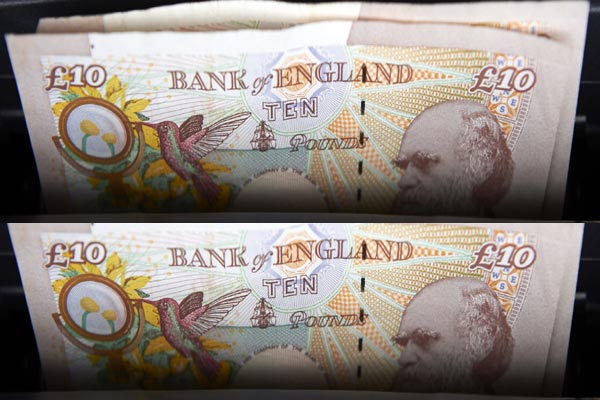
 LONDON: Sterling fell on Monday, hurt by uncertainty over the prospect of Britain exiting the EU and worsening global risk appetite which led investors away from higher-yielding currencies and into low-yielding and safe-haven ones like the yen.
British finance minister George Osborne said a vote to quit the European Union in a referendum on June 23 would leave the economy 6 percent smaller by 2030 than if it stayed in the bloc. The Treasury is due to present a "serious, sober analysis" of the long-term economic impact of a Brexit, a source said.
Investors worry that leaving the bloc would cause huge damage to a country with a trade deficit of 12 billion pounds, its widest in eight years, and a current account deficit that soared to 7 percent of GDP in the final quarter of 2015.
Sterling was down 0.45 percent at $1.4150, while the euro was up 0.6 percent at 79.855, having hit a 22-month high of 81.17 late last week.
"Sterling is under pressure, falling this morning on continued Brexit woes," said Tobias Davis, head of corporate Treasury sales at Western Union, adding that the cost of hedging against sharp moves in the pound were also elevated at post-financial crisis highs.
Adding another dimension to the Brexit debate, Scotland's first minister, Nicola Sturgeon, said over the weekend that a British exit from the EU would necessitate a new referendum on Scottish independence.
Opinion polls ahead of the EU referendum have indicated a tight race between the "Yes" and the "No" camps. Nevertheless, bookmakers are pricing in about a one-in-three chance that Britain will opt out of the union.
Major banks expect sterling could lose around a fifth of its value if Britain votes to leave. The International Monetary Fund also waded into the debate last week, saying a British exit would risk causing "severe global damage" that would drag down UK growth for years to come.




















Comments
Comments are closed for this article.