



 LONDON: Euro zone bond yields dipped on Wednesday, although investors remained reluctant to wade into the market in full force before a U.S. Federal Reserve meeting that could signal further interest rate hikes this year.
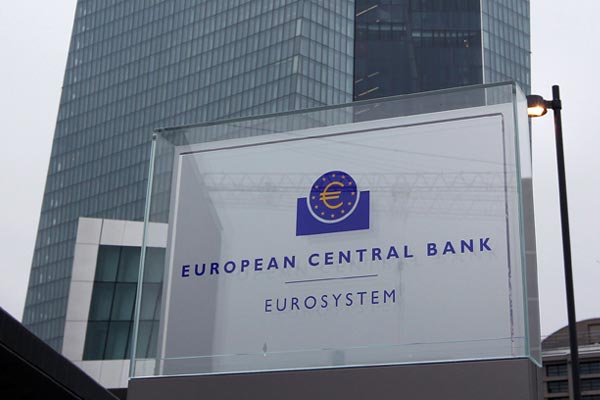
Peripheral bond yields, underpinned by last week's monetary stimulus from the European Central Bank, led the way with falls of 2-4 basis points. German bonds joined the downward move once a sale of 10-year bonds was out of the way.
Germany, Europe's benchmark issuer, sold about 3.26 billion euros in a top up of its 0.50 percent, 10-year Bund.
But the bigger focus for markets was U.S. economic data and the Fed rate decision due later in the day, with caution tempering sentiment in financial markets generally.
While the Fed is not expected to raise rates on Wednesday, it is likely to make clear that as long as U.S. inflation and jobs continue to strengthen, economic weaknesses overseas would not stop rates from rising.
Analysts generally assume Fed projections for interest rates -- known as the "dots" -- will indicate only three hikes are likely this year instead of four. Yet the market is pricing in just one move of 25 basis points for 2016.
"The Fed could signal that it is closer to a rate hike in April than in June and this would be the most important message," said Alexander Aldinger, rate strategist at Bayerische Landesbank.
"It would be positive if they signal a move in April as that suggests the Fed is more relaxed about financial markets and more positive about underlying economic strength."
Germany's 10-year Bund yield fell 1.7 basis points to 0.29 percent, having traded flat ahead of the German bond auction. It is up about 20 basis points from a 10-month low hit in February.
Analysts said U.S. inflation data for February, due out at 1230 GMT, had the potential to trigger some market volatility ahead of the Fed decision.
"For me the interesting part is whether the Fed will acknowledge the first stirrings of rising inflation that vice chairman (Stanley) Fischer referred to a couple of weeks ago," said ING senior rates strategist Martin Van Vliet.
"That would be a hawkish element."




















Comments
Comments are closed for this article.