



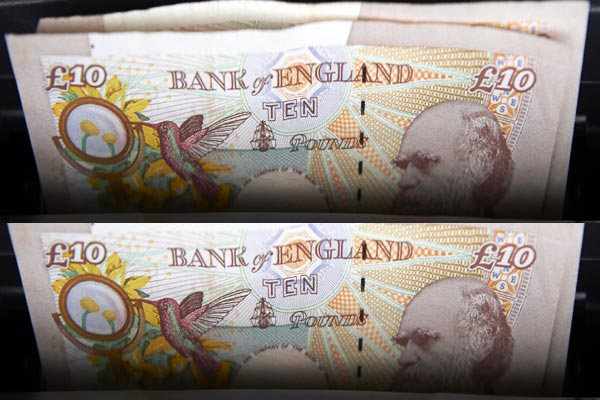
 LONDON: Sterling eased from 10-day highs against the dollar on Friday ahead of the monthly US jobs report, but was on track for its best week since mid-2015.
It ceded some ground against the euro, having gained nearly 2 percent this week as the single currency came under pressure on expectations that the European Central Bank is likely to ease policy aggressively next week to boost falling prices and growth.
Sterling dipped to $1.4140, having hit a 10-day high of $1.4194 on Thursday.
The dollar gained ground on Friday before a jobs report that could add to expectations that the Federal Reserve may raise rates later this year.
Still, sterling has gained 1.9 percent this week as investors cut unfavourable bets made after the formal launch just over a week ago of Britain's referendum campaign over whether to remain in the European Union.
The vote will held on June 23 and while some polls show those wanting to leave the union are gaining ground, the bookmakers are expecting only a one-in-three chance of Britain exiting the European Union.
Traders are, however, wary of the currency given a poor reading of the health of the Britain's huge services sector where the prospect of Britain's leaving the European Union rattled business sentiment last month.
"The higher the pound moves on improving risk sentiment, the more likely "Brexit" developments will begin to weigh on sentiment again. So we see limited upside for the pound from here," said Derek Halpenny, European head of global market research at Bank of Tokyo Mitsubishi.
The services sector survey was the starkest sign to date that Britain's recovery from the financial crisis is losing momentum, having failed to generate wage and inflation growth to make the Bank of England raise interest rates.
And while Britain's economy continues to outpace many of its European peers, investors have become convinced it will not be strong enough any time soon to justify a rise in interest rates.
Investors worry a "Brexit", which is likely to weigh on growth and push back UK rate hike expectations, would also threaten the huge foreign investment flows Britain needs to balance its current account deficit, one of the biggest in the developed world at around 4 percent of output.




















Comments
Comments are closed for this article.