



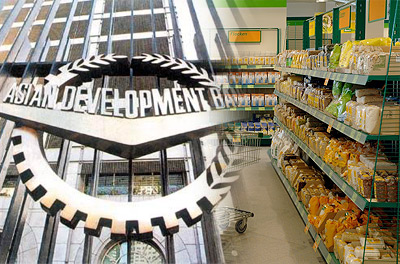
 MANILA: Soaring global food prices threaten to push tens of millions of Asians into extreme poverty and cut the region's economic growth this year, the Asian Development Bank warned in a report Tuesday.
Coupled with skyrocketing oil prices, the spike poses a serious setback for developing Asia after having rebounded rapidly and strongly from the 2008 global economic crisis, said chief ADB economist Rhee Changyong.
"Left unchecked, the food crisis will badly undermine recent gains in poverty reduction made in Asia," Rhee said in a statement.
Domestic food inflation in developing Asian nations hit 10 percent at the start of this year, with double-digit rises in the price of wheat, corn, sugar, edible oils, dairy products and meat, the Manila-based institution said.
If this rate continues, as is likely, 64 million people in developing Asia could be pushed into extreme poverty and economic growth could be reduced by up to 1.5 percentage points this year, the bank warned.
Vietnam has been one of the hardest hit nations in terms of rice inflation, despite being a major exporter, according to the ADB.
It has has seen domestic rice retail prices shoot up 36.7 percent since June last year, while Indonesia and Sri Lanka have endured increases of least 21 percent.
China recorded rice price rises of 12.6 percent, near the average for developing Asia.
Wheat price increases were most severe in Kyrgyzstan, with a jump of 67 percent since June last year, and Bangladesh, 50 percent, according to the ADB. Wheat prices spiked by about a third in Sri Lanka, Mongolia and Tajikistan.
The surge in food prices is due to lost farm production globally that began in the second half of last year with extreme weather and natural disasters in Asian farming belts, as well as in the United States and Europe, it said.
The report warned factors at play during the 2007-2008 food crisis were also present now.
These include rising demand for food from big, wealthier developing countries, competing uses for food grains, shrinking available agricultural land and flat or declining crop yields.
The report warned rice prices would likely keep rising after floods, typhoons and other disasters in Asia late last year cut yields, prompting consumers to seek cheaper but less nutritious substitutes.
The ADB said governments across the region had already moved to soften the impacts of food inflation, such as by cutting taxes on food, setting price controls and introducing subsidies.
But Rhee said more needed to be done, and urged governments to avoid the temptation of curbing their own food exports -- as China and some countries already have done -- as this would only exacerbate the problem.
"To avert this looming crisis it is important for countries to refrain from imposing export bans on food items, while strengthening social safety nets," Rhee said.
"Efforts to stabilise food production should take centre stage, with greater investments in agricultural infrastructure to increase crop production and expand storage facilities, to better ensure grain produce is not wasted."
On a positive note, the bank said there was ample room to improve rice and wheat yields, with the world's top 10 rice producers averaging just 4.074 tonnes per hectare (2.47 acres) compared with top performing Egypt's 9.883 tonnes.
However, it would take time for yields to rise even with large investments in research and development, it added.
Cereal inventories globally will shrink further unless production rises at least 2.0 percent this year, the report said.


















Comments
Comments are closed for this article.