


Centre, provinces agreed to shoulder 'extraordinary' defense, security expenditures: Bilawal
Pakistan's federal and provincial governments have agreed to jointly fund defense and national security through a constitutional mechanism, demonstrating national unity amid evolving regional challenges.
- Joint federal and provincial defense funding mechanism.
- Evolving regional security challenges and threats.
- Provincial contributions despite fiscal constraints.
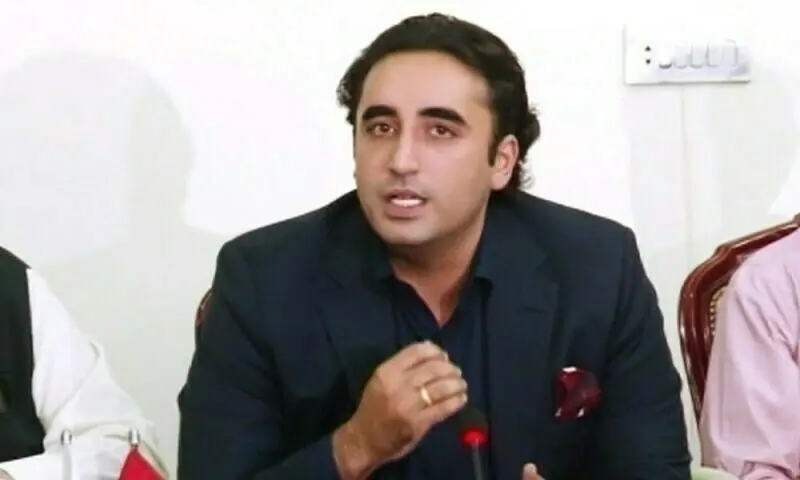

Chairman Pakistan Peoples Party (PPP) Bilawal Bhutto Zardari on Thursday said the federal and provincial governments had agreed to jointly shoulder the burden of extraordinary expenditures related to defence and national security through a constitutional mechanism, amid evolving regional security challenges.
Speaking during the budget debate in the National Assembly, Bilawal said the decision was taken through constitutional provisions and democratic consensus rather than any extra-constitutional arrangement.
“The federal and provincial governments have decided to shoulder the burden of extraordinary necessities owed to defence and national security,” he said, adding that the arrangement would be implemented through grants under Article 164 of the Constitution.
Bilawal said the agreement reflected national unity at a time when Pakistan continued to face security threats on both its western and eastern borders.
Referring to the recent peace agreement between the United States and Iran, he described it as “a new ray of hope” for the region and proof that dialogue and diplomacy were more effective than conflict.
However, he cautioned that challenges remained, citing security concerns along the Afghan border, India’s threats of “Operation Sindoor 2”, attempts to create controversy around the Indus Waters Treaty, and foreign-backed terrorism targeting Pakistan.
The PPP chairman said political forces across the country had demonstrated maturity by reaching consensus on national security-related expenditures. He noted that all provinces, including Khyber Pakhtunkhwa, governed by the opposition, had agreed to contribute despite political differences.
Bilawal also dismissed pre-budget speculation that the 18th Constitutional Amendment, provincial rights, or the Benazir Income Support Programme (BISP) would be affected.
He said the federal government had assured provinces that the National Finance Commission (NFC) Award would remain intact while provinces would contribute towards national security requirements.
“At a time when nations are tested, Pakistan has responded through political consensus and democratic values,” he said.
The PPP chief argued that provinces continued to face fiscal constraints despite the 18th Amendment and NFC Award.
He said provincial governments were required to maintain budget surpluses under economic commitments, limiting their ability to spend on public welfare and development projects.
Highlighting provincial contributions, Bilawal said Punjab had posted a surplus of Rs900 billion this year, while Sindh had generated a surplus of around Rs400 billion, funds that could otherwise have been used for development and public services.
He called for the federal and provincial governments to work together after the passage of the budget to formulate a long-term, growth-oriented economic strategy focused on sustainable development and public welfare.
Bilawal also reiterated his party’s support for BISP, describing it as an effective poverty alleviation programme that had provided assistance to millions of households and contributed to social stability and national security.

Comments