


Türkiye’s growing tourism appeal: Istanbul’s role in a changing global travel landscape
Türkiye offers a rich travel experience, blending ancient history with modern life, especially in Istanbul, a vibrant metropolis known for its diverse cultural heritage and culinary scene.
- Istanbul's historical landmarks and vibrant cultural blend.
- Türkiye's renowned gastronomy and MICHELIN Guide recognition.
- The country's national sustainable tourism program.
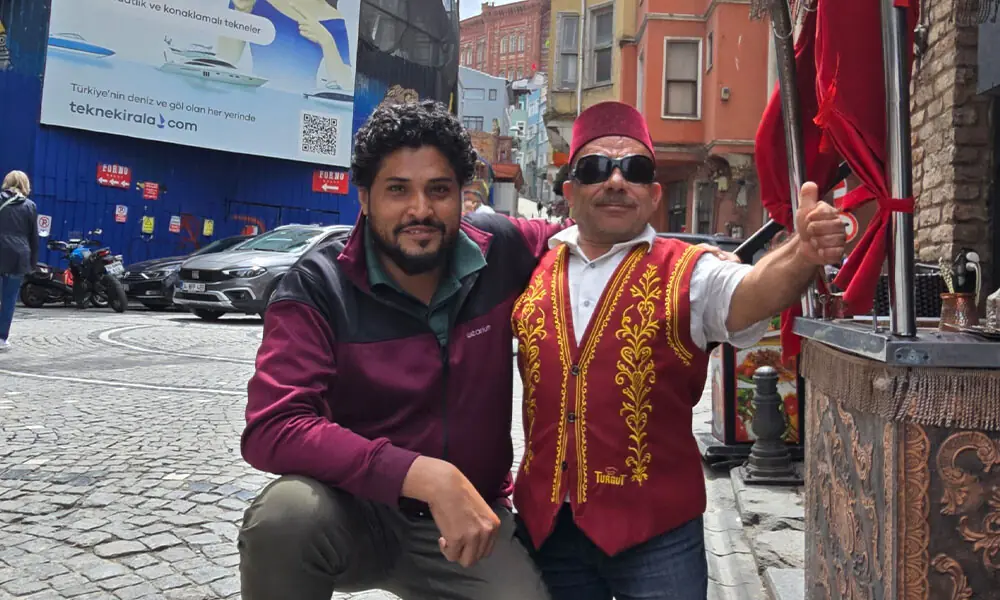

Straddling Europe and Asia, Türkiye stands as a meeting point of civilisations shaped over centuries. From its coastal landscapes to its historic urban centers, the country offers a layered travel experience where cultural heritage and lived history remain deeply present in everyday life.
Whether exploring ancient ruins, tasting renowned cuisine, or experiencing Turkish hospitality, visitors can discover diverse attractions. As one of the world’s most visited countries, Türkiye offers memorable experiences. Istanbul, the country’s metropolis, is a key destination to start a journey through the country.
İstanbul: Türkiye’s metropolis
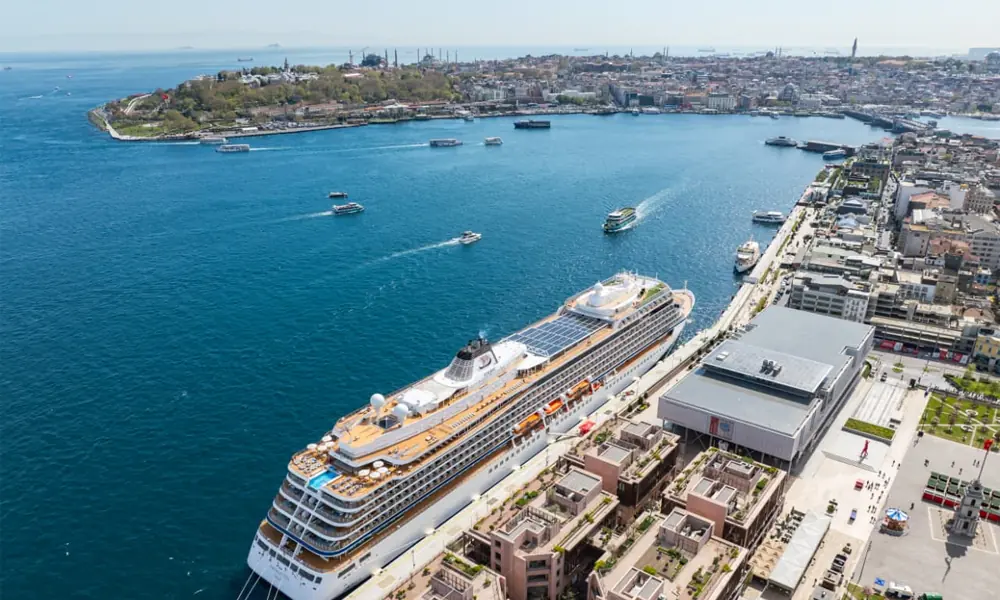
Istanbul presents a blend of the traditional and the modern. With the Bosphorus Strait dividing it into two parts, the city offers views of its historic skyline, stretching from domes to skyscrapers, and waters dotted with ferries and palaces.
Its history further distinguishes the city. Straddling two continents, Istanbul has been a melting pot of cultures and civilisations throughout its history. From ancient ruins to Eastern Roman and Ottoman monuments, its architectural heritage reflects a long and layered past. The city also offers shopping options ranging from historical bazaars to luxury boutiques and designer stores. From MICHELIN-starred restaurants to popular street food, Istanbul’s culinary scene contributes to its reputation as a destination for gastronomy tourism.
The historical Peninsula
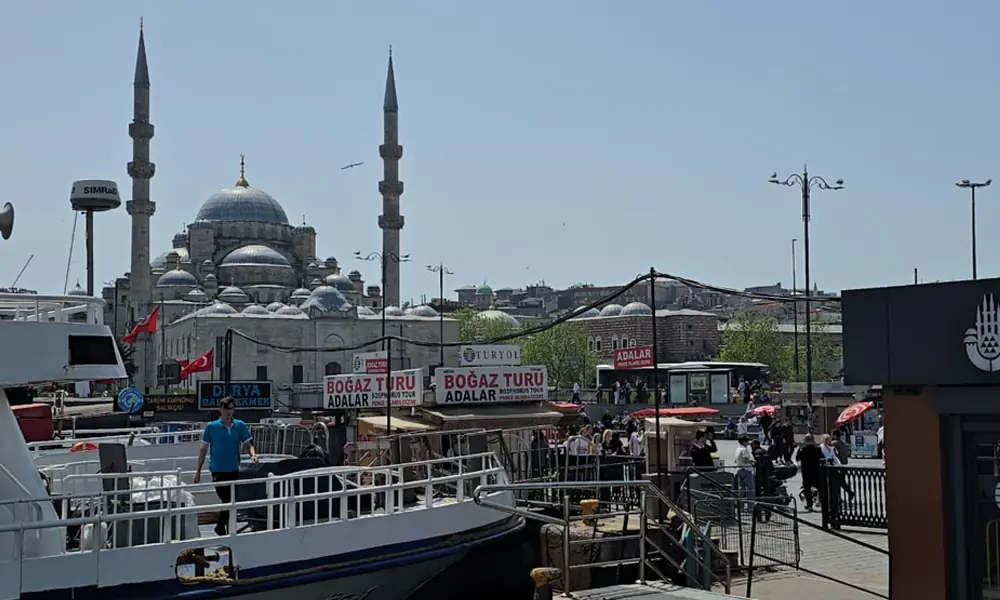
Formerly the seat of the Eastern Roman and Ottoman Empires, Istanbul’s Historical Peninsula was inscribed on the UNESCO Cultural Heritage List in 1985. The Ottoman mosques of Sultanahmet Square and Süleymaniye, Hagia Sophia, the 6th-century Basilica Cistern, maze-like historic streets, and the Grand Bazaar and Spice Bazaar offer insight into the area’s history.
The Blue Mosque
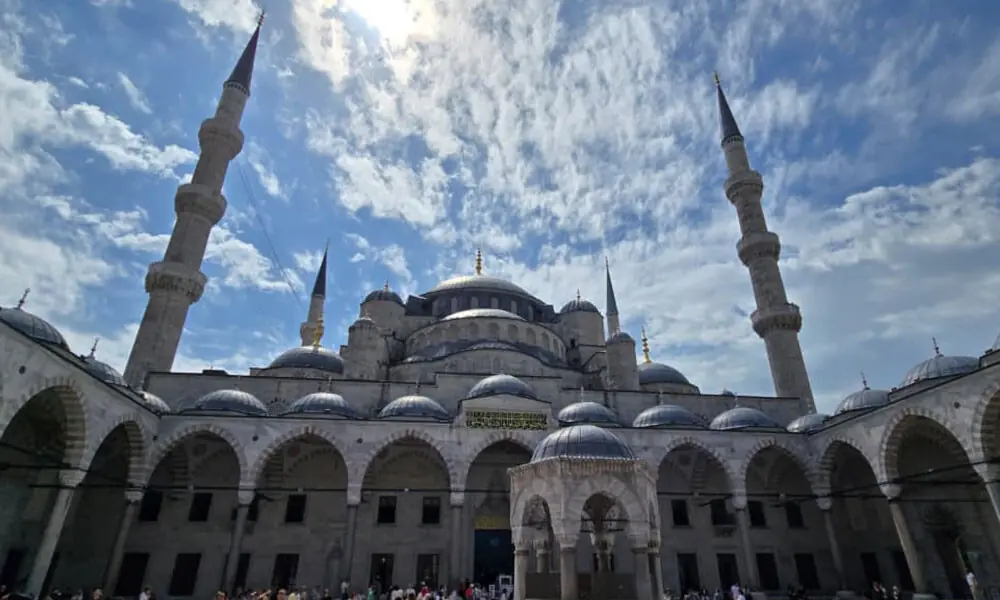
Commissioned by Ottoman Sultan Ahmed I in the 17th century, the Sultanahmet Mosque, known as the Blue Mosque due to its blue İznik tiles, is recognised for its six minarets and massive dome. Like many Ottoman imperial mosques, it functioned as both a place of worship and a social complex, featuring a courtyard, fountain, bazaar, madrasa, and hospice. It remains one of the city’s most visited landmarks.
The Hippodrome
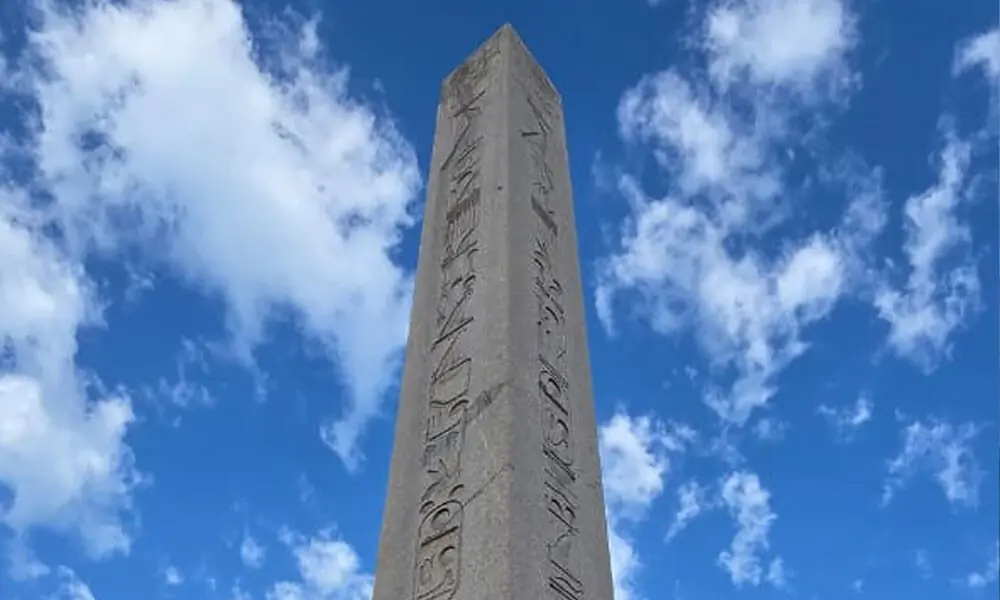
The Hippodrome was constructed during the reign of Eastern Roman Emperor Septimius Severus around 200 CE and served as the center of civil activities in the ancient city. It hosted chariot races and public events before becoming a public square during the Ottoman period.
Its surviving monuments include the Egyptian Obelisk, brought from Egypt in the late 4th century; the Serpentine Column, originally associated with the Temple of Apollo at Delphi; and the German Fountain, presented to the Ottoman Empire by Kaiser Wilhelm II.
Hagia Sophia
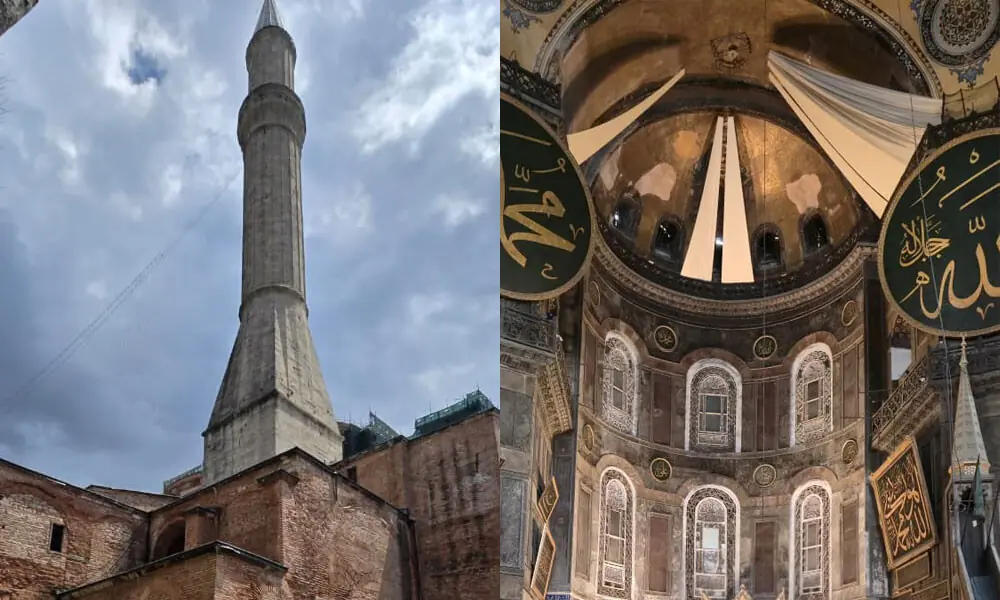
Hagia Sophia was built between 532 and 537 CE during the reign of Emperor Justinian and was the most important church in Christendom at the time. Recognised by its vast dome, it is among the earliest examples of the use of pendentives in architecture.
Included on the UNESCO World Heritage List in 1985 as part of the Historic Areas of Istanbul, Hagia Sophia reflects both Eastern Roman and Ottoman artistic and architectural traditions. In 2020, it was reclassified as a mosque.
The structure has undergone multiple restorations throughout its history. Current conservation work focuses on strengthening the dome and preserving its historic features, including interior mosaics.
The Basilica Cistern
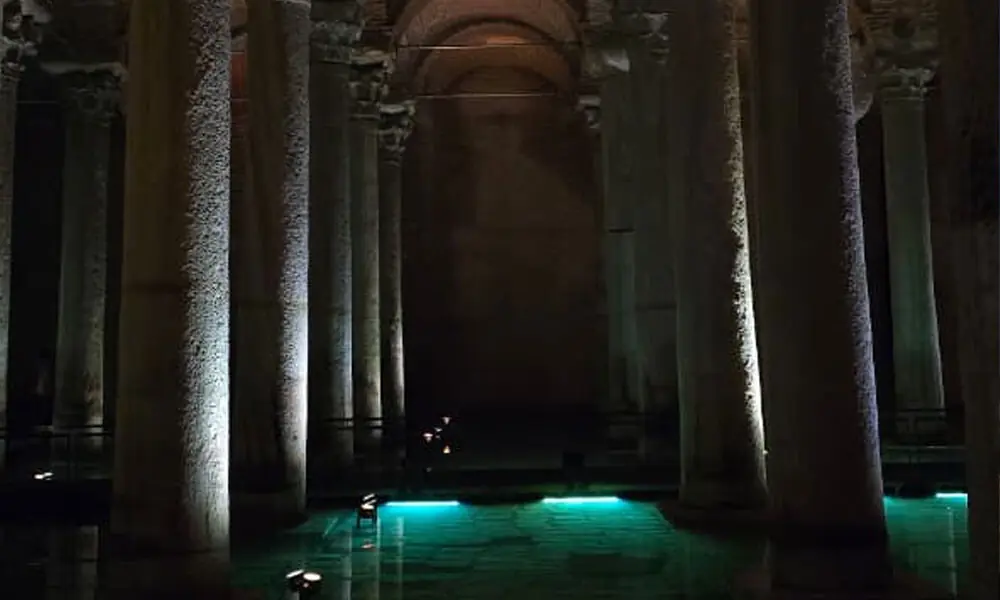
The Basilica Cistern is a large underground water storage structure built during the reign of Emperor Justinian I around 542 CE. Known locally as the Yerebatan Cistern, it features marble columns, arches, and walkways that allow visitors to explore the reservoir. The site has also appeared in international film productions, including a James Bond film.
Hagia Sophia History and Experience Museum
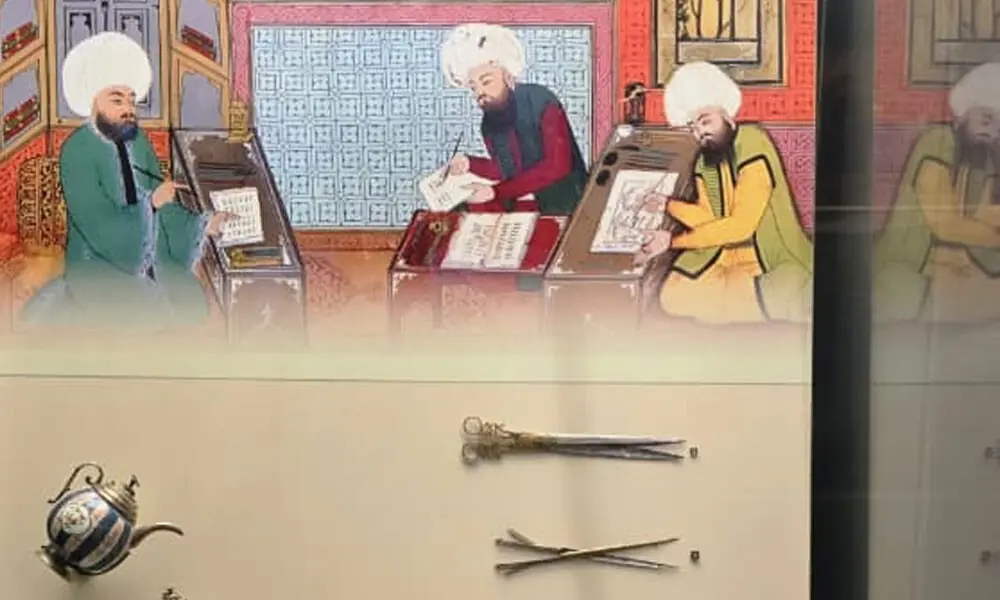
Located in Sultanahmet Square, the museum presents the approximately 1,700-year history of Hagia Sophia through audio-visual exhibitions and digital displays. Visitors can explore artifacts and learn about both the Roman and Ottoman periods associated with the monument.
Eminönü
Eminönü is one of Istanbul’s oldest districts and an important commercial center. Located along the Golden Horn, it is home to landmarks including the Spice Bazaar, the New Mosque (Yeni Cami), Sirkeci Train Station, and the Galata Bridge. Many boat tours and ferry services depart from the area.
The Spice Bazaar
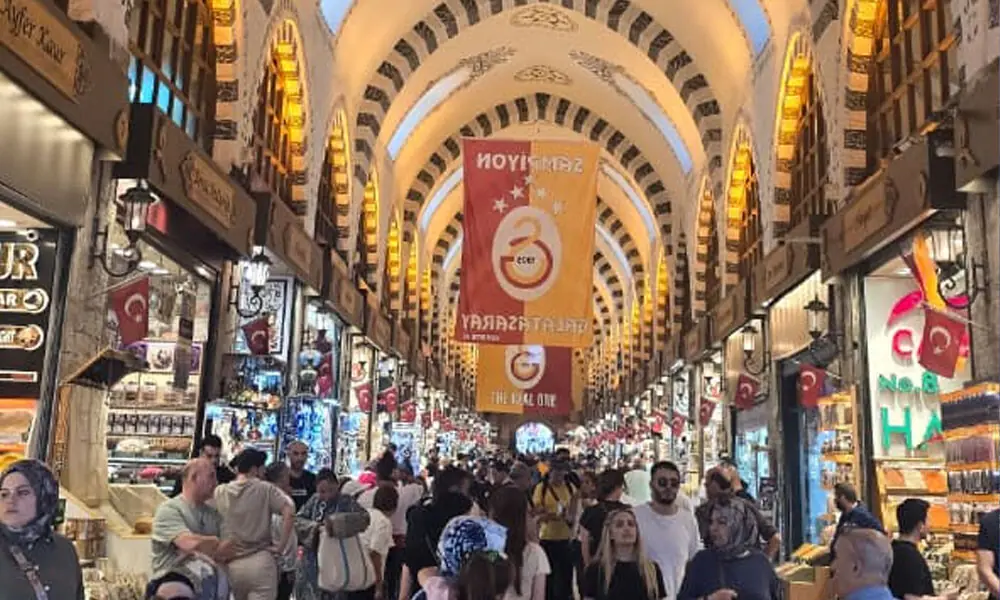
Located behind the Yeni Mosque, the Spice Bazaar is one of Istanbul’s best-known covered markets. Visitors can find spices, medicinal herbs, dried plants, Turkish delights, nuts, delicatessen products, and souvenirs.
Balat and Fener
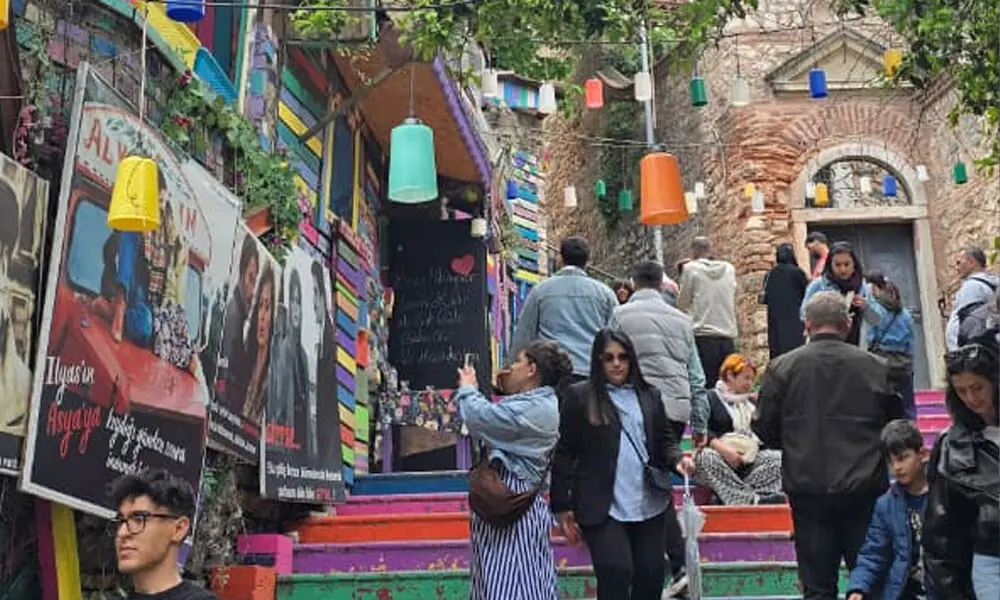
Balat and Fener are neighboring districts on the Historical Peninsula known for their historical heritage and landmarks.
Balat’s streets are lined with historic houses, cafés, boutiques, tea gardens, and craft shops. Notable sites include the Ahrida Synagogue, Yanbol Synagogue, Küçük Mustafa Paşa Hammam, and the Bulgarian Sveti Stefan Church.
Fener is known for landmarks such as the Fener Rum High School, the Fener Rum Orthodox Patriarchate, and the Aya Yorgi Patriarchate Church. The red-brick Fener Rum High School remains one of the most recognisable buildings overlooking the Golden Horn.
Yıldırım and Kiremit Streets
Yıldırım Street is known for its cafés, street art, and colorful atmosphere. Nearby Kiremit Street is recognised for its colorful houses dating from the late 19th and early 20th centuries, making it a popular location for photography.
Ortaköy
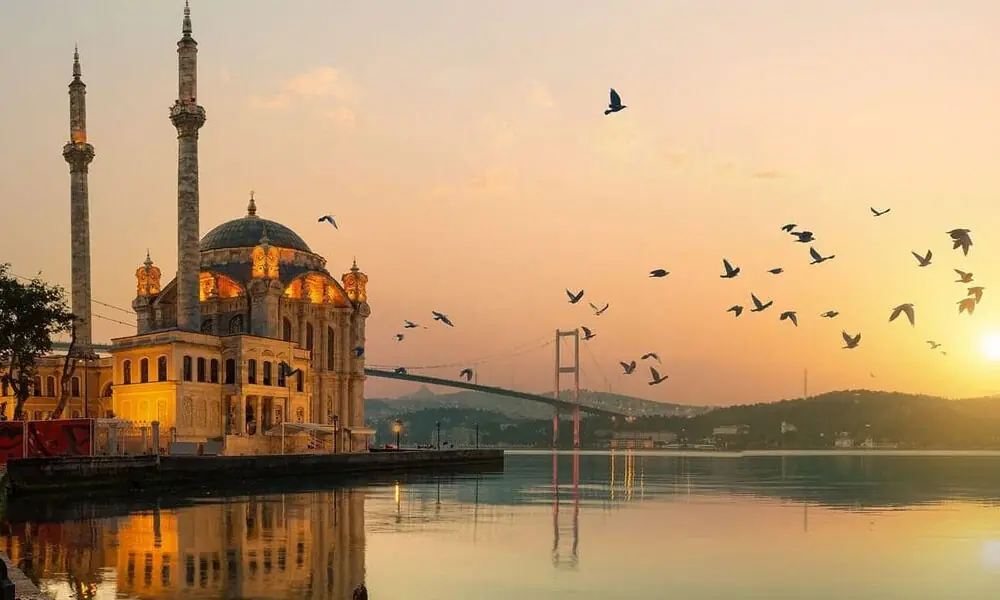
Located along the European shore of the Bosphorus, Ortaköy is known for its art galleries, cafés, boutiques, and kumpir stalls. The neighborhood also contains mosques, churches, synagogues, and traditional Turkish baths, reflecting its multicultural history. Artists’ markets are frequently held on weekends.
Ortaköy Mecidiye Mosque
Completed in 1853, the Ortaköy Mosque is an example of Neo-Baroque Ottoman architecture. Commissioned by Sultan Abdülmecid and designed by Garabet Amira Balyan and Nigoğayos Balyan, the mosque features marble interiors and calligraphy attributed to the Sultan.
Karaköy
Located near the Galata Bridge and Galata Tower, Karaköy has long served as one of Istanbul’s principal port districts. Today, it combines historic architecture with contemporary art galleries, design studios, restaurants, and cafés.
Baklava
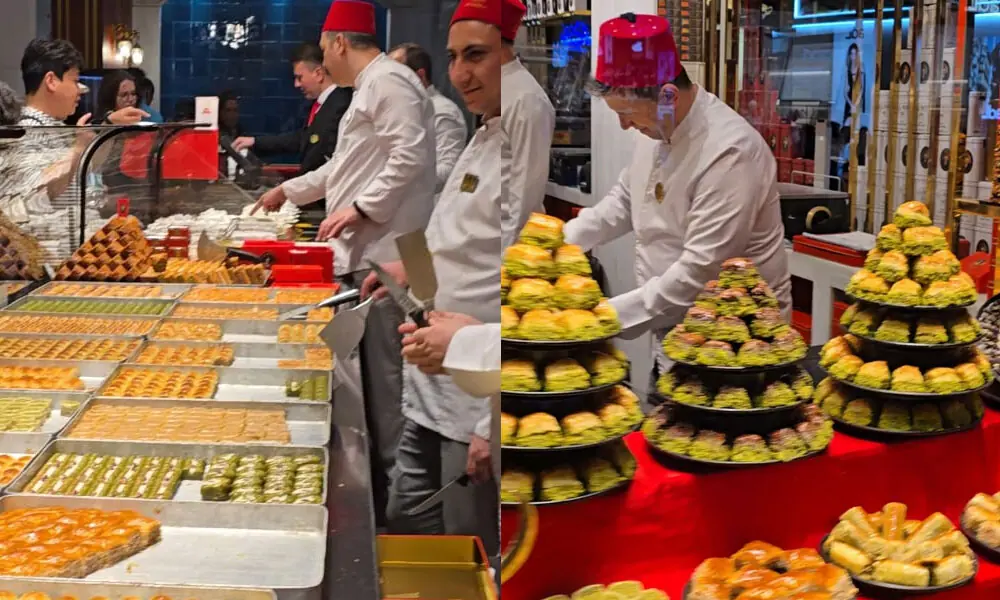
Baklava is one of Türkiye’s best-known desserts. Traditionally made with layers of phyllo dough, pistachios or walnuts, and syrup, it has been part of Turkish culinary culture since the Ottoman period.
The dessert is commonly served with tea or coffee and often appears during weddings and religious celebrations. Gaziantep, a member of the UNESCO Creative Cities Network for gastronomy, is particularly associated with baklava production. Gaziantep baklava was the first Turkish product to receive protected geographical indication status from the European Union.
Galataport
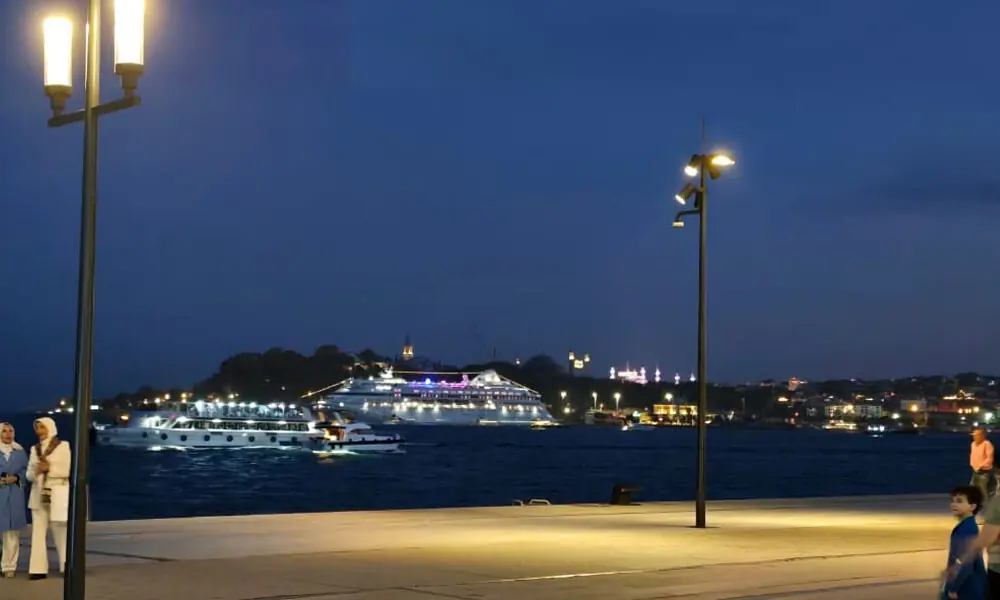
Galataport is Istanbul’s modern cruise terminal located in Karaköy. Its underground terminal system allows passenger facilities to operate beneath public waterfront spaces.
The complex also includes shopping areas, restaurants, cultural venues, and promenades along the Bosphorus. Nearby attractions include the restored Tophane Clock Tower, the Istanbul Painting and Sculpture Museum, and Istanbul Modern.
According to Galataport Istanbul, the terminal welcomed 595,000 passengers across 224 port calls in 2025. Homeport passenger numbers reached 230,000 in the same period and are projected to increase further in 2026.
Gastronomy
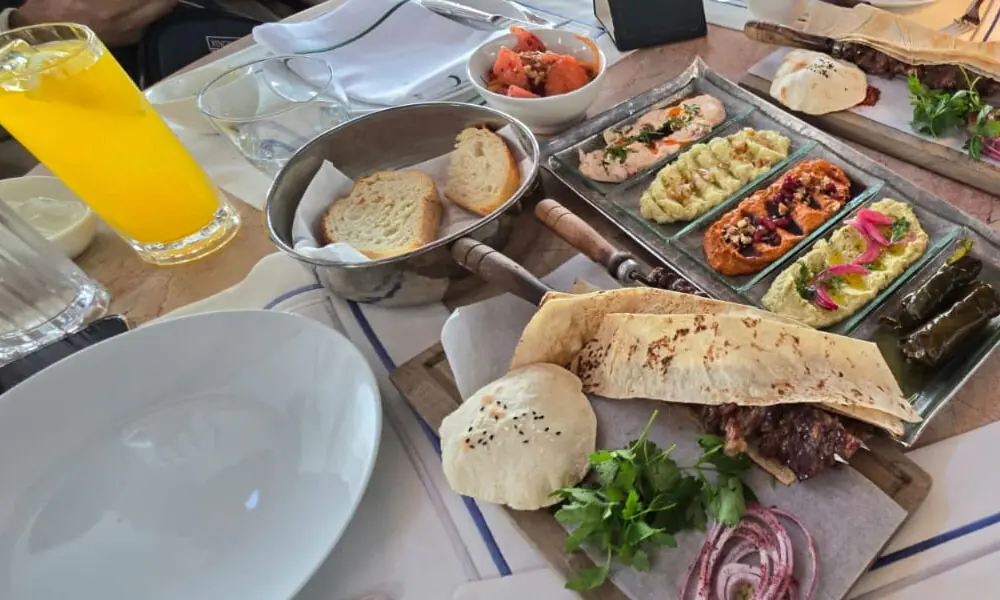
Istanbul became the 38th international destination featured by MICHELIN Guide inspectors in 2022. İzmir and Bodrum were added in 2024, while the selection expanded further into Muğla in 2025.
The MICHELIN Guide’s 2026 selection introduced 54 new restaurants, including entries from Cappadocia, known for its distinctive geological formations.
Sustainability in Türkiye and the Türkiye environmental and cultural sustainability programme
The Türkiye Environmental and Cultural Sustainability Programme was established through cooperation with the Global Sustainable Tourism Council (GSTC). Türkiye was the first country to sign a government-level agreement with the GSTC to establish a national sustainable tourism programme.
The programme aims to support sustainable tourism practices while encouraging the preservation of cultural heritage and environmental resources.
Travel Recorder is part of Business Recorder’s series in which we publish individual accounts that are insightful and offer value to our readers. If you wish to contribute to this series, email [email protected] with the subject ‘Travel Recorder’
Comments