


Germany issues first ‘green bond’ in second half of 2020

- The new type of bond, which is part of the government's efforts to roll over maturing debt.
- The German government plans to borrow more money in 2020, than it did this year.
- The green twin bonds will replace part of the conventional twin bond's auction volume.
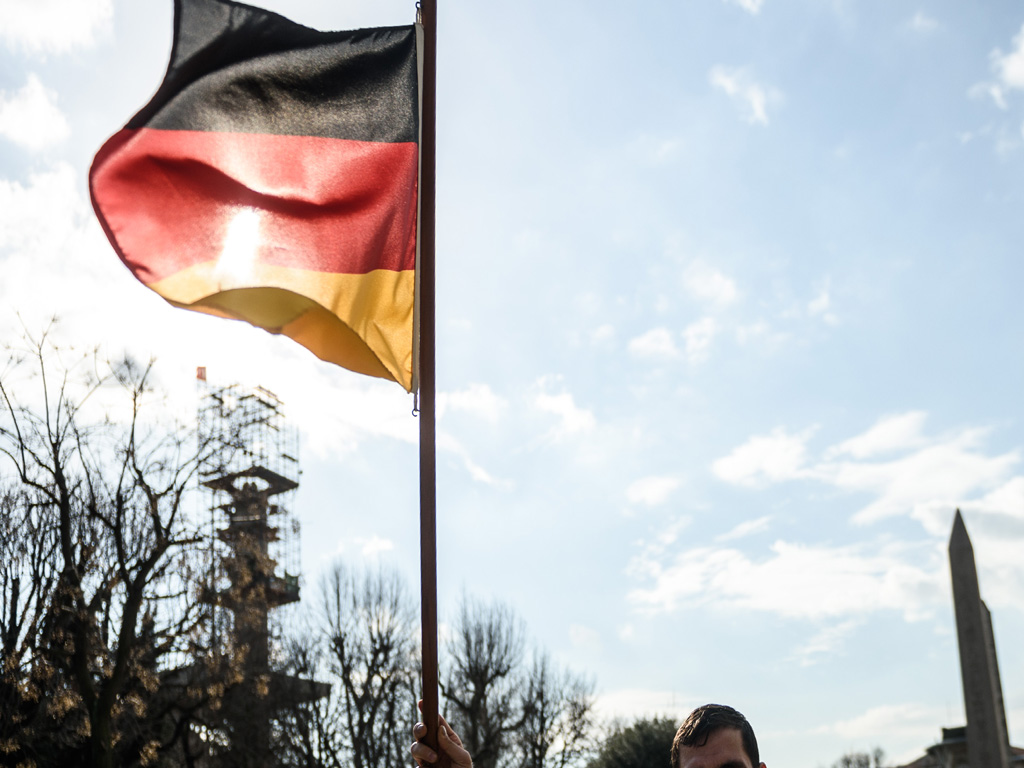 BERLIN: Germany will tap into the booming market of sustainable finance by issuing its first "green bond" in the second half of next year, the finance agency said on Thursday.
"The German Federal Government intends to support the development of sustainable financial markets and in particular the green market segment by issuing Green German Government securities," the finance agency said.
The new type of bond, which is part of the government's efforts to roll over maturing debt, will be designed in the form of so-called green twin bonds.
This means that the government will issue "green bonds" with the same maturity and coupon as conventional securities, the agency said.
The green twin bonds will replace part of the conventional twin bond's auction volume, the agency said.
"In accordance with the established Green Bond Principles, the proceeds from Green German Government securities will completely be allocated to already existing expenditures with a positive ecological-sustainable effect," it added.
The finance agency did not specify the volume, but three people familiar with the matter told Reuters on Wednesday that the "green bond" will have an issue volume of a high-single digit to low double-digit billion euro amount.
The move follows an agreement that was reached by European Union member states earlier this month on a new set of rules governing which financial products can be called "green" and "sustainable".
Under the agreement, all financial products that claim to be green or sustainable will have to disclose exactly what proportion of their investments are environmentally friendly.
Overall, the German government plans to borrow more money in 2020, than it did this year.
Excluding inflation-linked debt, the agency plans to issue 210 billion euros ($231 billion) of debt next year, it said. That compares with 196 billion euros this year.
The agency said it planned to issue 148 billion euros in longer-term nominal capital market instruments and 62 billion euros in money market instruments.
It added it would also issue between 6 and 8 billion euros in inflation-linked securities.
The agency needs to take on more debt despite an expected budget surplus because it has to repay old debt for which the government does not have enough funds from current revenues.
This means the auction calendar is in line with Chancellor Angela Merkel's budget policy of not incurring new debt, a fiscal goal also known as the black zero.
The finance agency generally builds a buffer in and sometimes revises its debt issuance plans later in the year.




















Comments
Comments are closed for this article.