


Like the FATF grey list, Pakistan's placement on it is also grey. Yes we are, No not yet, maybe or maybe not. Finally averted? A sigh of relief; a time to celebrate; a tribute to supporters. Even if we are not in the list for 3 months, time for celebrations is immature. What are we celebrating? it is not because Pakistan's competitiveness rating has finally improved; it is not because current account deficit has finally reduced; it is not because exports have been diversified. It is because Pakistan has perhaps eluded being placed in the grey list of FATF(Financial Action Task Force). Time to relax, but hold on, it is just for 3 months. Thus, literally Pakistan has been placed on probation to watch its behavior and monitor its actions. Small mercies are always welcome but reflect a sad reality that while external forces are working against Pakistan's interests, Pakistan itself has done little to safeguard its own interest internally and externally. The fact that we have been placed on this list previously and got out of it in 2015 is a reflection of lessons not learned and actions not taken.
FATF is a global watchdog that monitors actions taken by countries on curbing terror financing and money laundering. The FATF and affiliated regional bodies conduct periodic "mutual" or peer evaluations of all members, and these constitute neither a single nor a simple procedure. Countries' efforts to implement 40 anti-money laundering and counter-terrorist financing recommendations are evaluated for progress against 11 immediate outcomes. This is a complicated and intricate process that needs expert and careful handling of finance, law, accounts, and politics. In Pakistan's case, we have lagged behind in all and consequently are facing the brunt by being on the tenterhooks of to be put in the list or not to be put in the list.
The FATF requires a logical, evidence and risk-based approach to monitoring and regulating non-profits that targets those organisations most likely or proven to be involved in money laundering and/or terrorist finance, while permitting those organisations less at risk to carry on with legitimate social work and development. There are thus two main elements in it; firstly monitoring the suspect and banned organisations and secondly ensuring that no money can reach them through illegal channels. FATF should not be warning Pakistan about it and Pakistan should not have been on borderline of this list had it implemented the National Action Plan (NAP) in full letter and spirit. The NAP has been selectively and reactively used and implemented with the result that both requirements of the FATF that are part of the 20 points agenda were never addressed giving an already belligerent US and its allies a chance to warn and threat Pakistan.
A look at the NAP shows that its point 3 categorically states that militant outfits and armed gangs will not be allowed to operate in the country. While the Raddul Fasaad operation has done its work on the borders, it is the infiltration in the cities that the government has not been able to control. As the warnings pile up the government does take action against the more known organizations like Jamaatud Daawa, etc, but has failed to have a strategic plan to project what they claim they have done to many such suspect organizations. Points No 6 and 7 of NAP cover the areas of banned outfits not being allowed to operate under other names and all funding sources of these organizations to be frozen. Progress on these areas has been patchy. The Quetta commission report on the tragic Quetta blast clearly pointed out how proscribed organizations were not only in operation but were in touch with the government. This report of course has been dumped in the archives of so many other commission reports that have been shelved as they were spelling out the inconvenient truth.
The anti-money laundering law 2010 has been selectively used. According to Financial Monitoring Unit reports, only 230 cases have been registered under AML act while many global surveys say Pakistan has almost $ 20 billion being laundered through illegal channels. These illegal channels make it very difficult to choke terror financing. The problem is that the government is reluctant to either strengthen the laws or enforce them on money laundering being done by those in power or those with influence. As revealed in the Panama Papers and the Paradise Papers, most of the politicians and powerful business houses are using illegal channels to stow away wealth in tax havens and thus it does not suit the government to promulgate stricter laws against themselves. The sad part is that even after nearly 18 months of the leakage of these papers SECP, FBR and SBP have barely sent notices to these people. This laxness encourages grey channels to exist which are exploited by terrorists to facilitate their operations.
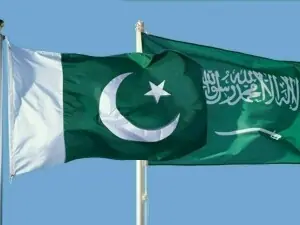
The placement in FATF may have been postponed for three months but is the government really going to work on all these legal and financial loopholes to get out of this probationary period safely? The consequences of being categorized in the grey list are serious. Just on the speculation that Pakistan has been placed on this list the stock exchange significantly edged down. Placement if not averted will lead to raising the cost of doing business, hurting foreign direct investment prospects and posing new challenges to Pakistan's ability to be creditworthy. Politically, it would be a victory for the perception and propaganda India and Afghanistan are trying to promote that Pakistan is not doing enough to eliminate terrorist havens. Even if we say these two countries are in cahoots how can we explain the withdrawal of support by Saudi Arabia and by China. Ultimately, it is a compound failure of short-term economic vision, zero foreign policy and vested interest politics that is based on a mindset of, by the elite, for the influentials and with the powerful.
(The writer can be reached at [email protected])




















Comments
Comments are closed for this article.