


Jensen hangs on as Nvidia tumbles
- Nvidia has no clear succession plan, so it’s anyone’s guess who could replace Jensen Huang
Nvidia CEO Jensen Huang faces a deepening crisis amid two scandals and a board meeting to decide his fate, causing Nvidia's shares to crash and impacting global markets.
- The scandals engulfing Nvidia's CEO, Jensen Huang.
- Nvidia's stock crash and its impact on global markets.
- Potential successors and the company's succession plan.
- Congressional scrutiny over Nvidia's chip exports to China.
A look at the day ahead in European and global markets from Gregor Stuart Hunter
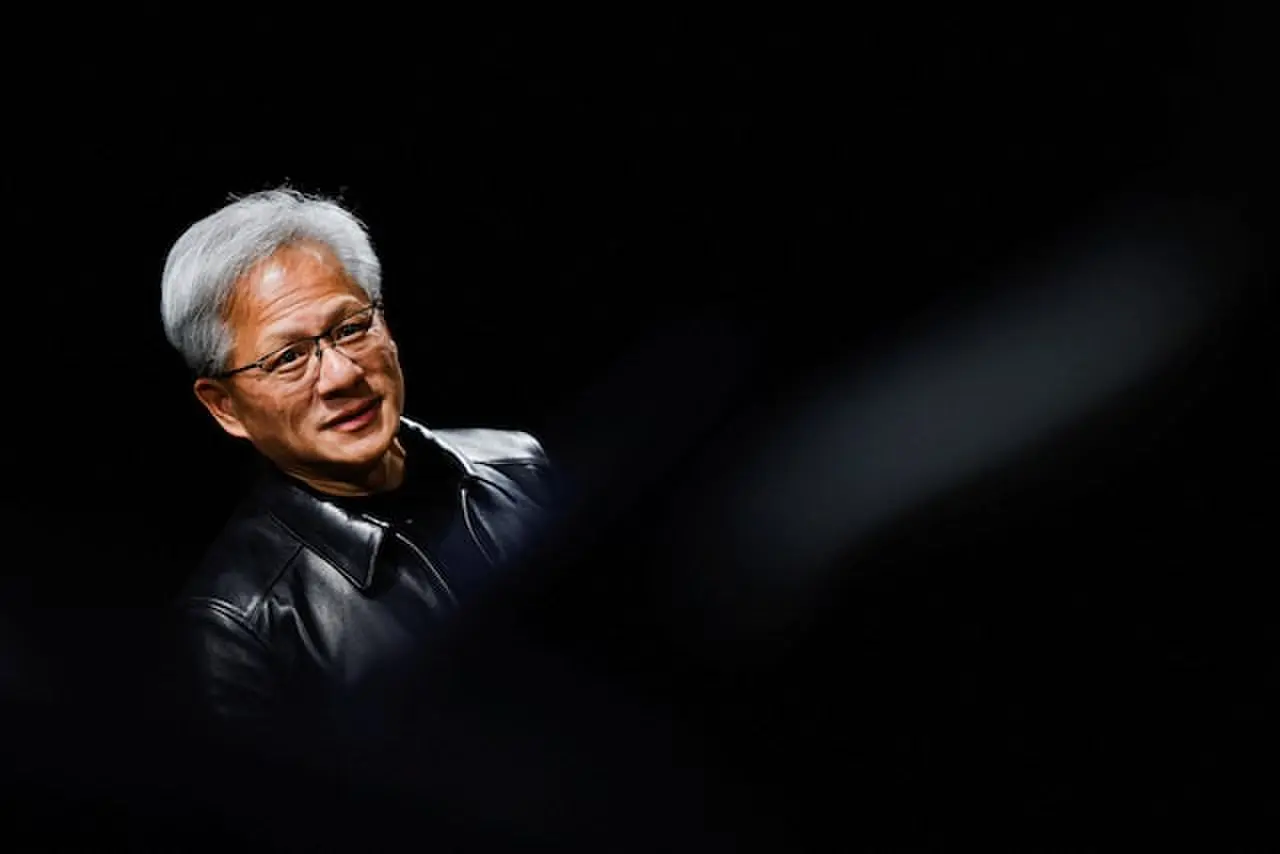
Jensen Huang is fighting for his job as the crisis deepens at Nvidia.
Nvidia’s board met late on Wednesday to decide the fate of the embattled founder and CEO, who’s now embroiled in two separate scandals, a source told Reuters.
The New York Times reported late on Wednesday that Huang had had an affair with another company executive who reported to him.
Earlier, the board said it would investigate his relationship with a businesswoman alleged to be a Chinese spy.
The AI giant’s shares crashed in after-hours trading, down more than 8% at one point amid a wave of broker downgrades, weighing on US equity futures in the Asian session.
Nvidia has no clear succession plan, so it’s anyone’s guess who could replace Jensen Huang.
Ian Buck, an architect of the CUDA software system, and Chief Financial Officer Colette Kress are among the possible contenders to become interim CEO.
Congress is also asking questions, with Democratic senators urging the Trump administration to preserve all documents linked to Nvidia’s chip exports to China.
Also unclear is the future of Nvidia’s financing arrangements with many other companies in its industry.
Semiconductor stocks had been enjoying a broad rally after CoreWeave’s earnings eased fears around the health of the AI sector, which had earlier lifted some of Nvidia’s competitors.
Chinese university bought Nvidia H200 chips despite US blacklist
On Thursday, stocks gave back some of those gains. S&P 500 e-mini futures slumped 0.4%, with Nasdaq e-mini futures off 1%, with the Asian tech supply chain initially holding up better before giving up gains later in the trading session.
MSCI’s broadest index of Asia-Pacific shares outside Japan fluctuated between gains and losses and was down 1.1%, as Taiwanese shares fell 2.8%.
Japan’s Nikkei 225 was off 0.8%.
The US dollar index , which measures the greenback’s strength against a basket of six currencies, was up 0.1% at 103.08, its highest level since April last year, as traders ramped up bets on higher interest rates over the next few months.
In early European trade, pan-region futures climbed 0.4%, while German DAX futures and FTSE futures were 0.7% higher.



















Comments