


Pakistan aims to move beyond raw mineral exports, says Dar
Pakistan aims to move beyond raw mineral exports, focusing on domestic processing and refining. The Minerals Investment Forum showcased global interest in Pakistan's rich resources for economic transformation and clean energy.
- Pakistan's strategy for domestic mineral processing and value addition.
- Growing international interest in Pakistan's diverse mineral potential.
- Key projects like Reko Diq and the Tethyan Metallogenic Belt.
- Mineral development as central to Pakistan's economic transformation.
- Government's commitment to provincial partnerships and local community benefits.
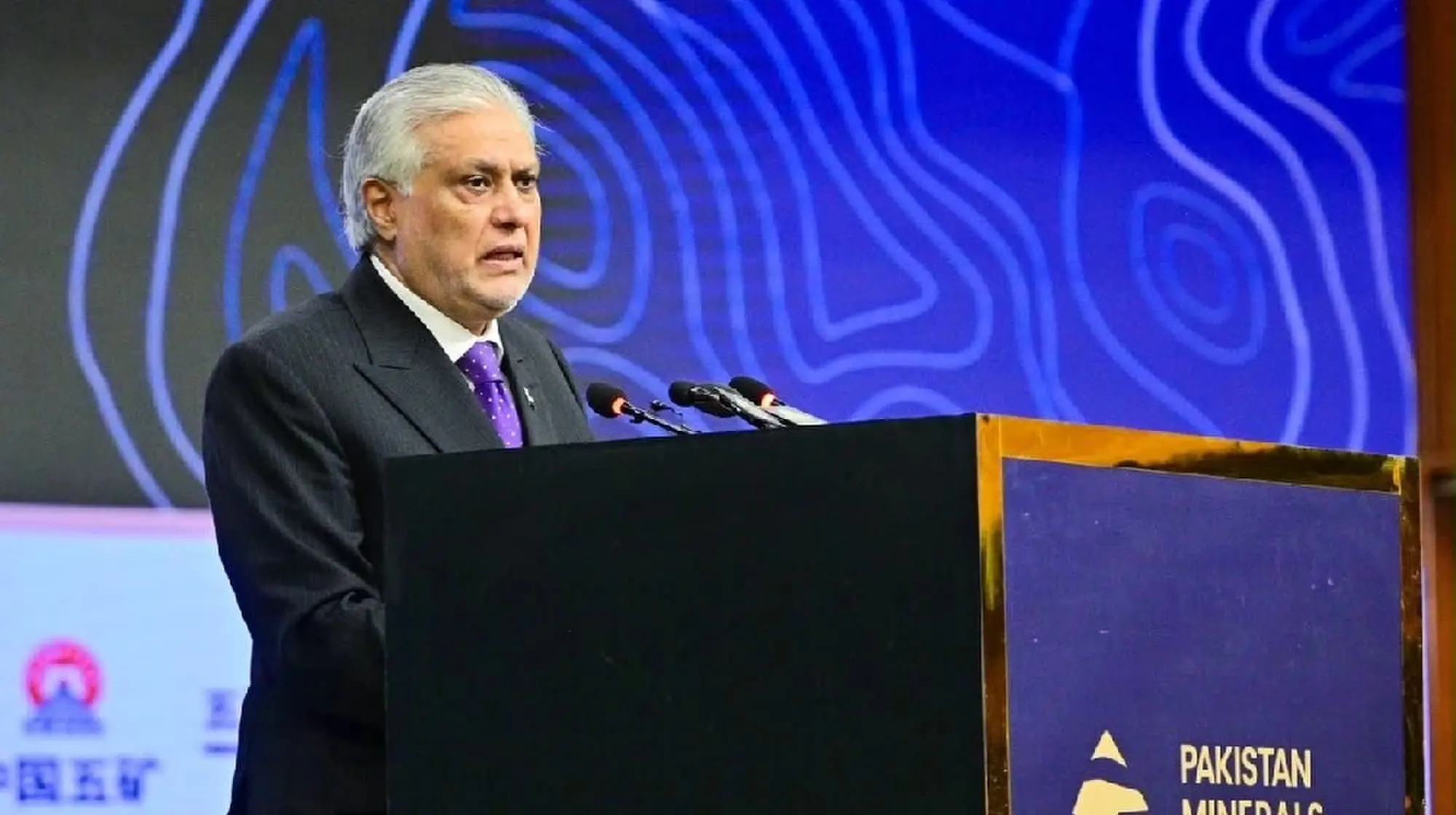
Deputy Prime Minister and Foreign Minister Ishaq Dar said on Thursday that Pakistan’s goal is not just to extract minerals and export them in raw form, but to steadily build the capacity to process, refine and manufacture them at home.
He was speaking at the opening session of the third Pakistan Minerals Investment Forum 2026 (PMIF-26) in Islamabad, which has drawn participants from more than 60 countries.
Dar said the turnout showed “growing international interest in Pakistan’s mineral potential” and confidence in the government’s commitment to long-term partnerships in the sector.
He added that PMIF-2026 was more than an investment conference. In his words, it reflects Pakistan’s ambition to take an active part in the global shift towards clean energy, digital technologies and advanced manufacturing.
The deputy prime minister said Pakistan had made significant progress over the past two years in stabilising its macroeconomic indicators.
He credited fiscal and monetary discipline, structural reforms and prudent financial management.
He described developing mineral resources as central to the next phase of the country’s economic transformation. That phase includes diversifying exports, strengthening the industrial base and attracting long-term investment.
He pointed to the country’s copper and gold potential along the Tethyan Metallogenic Belt in the west. Pakistan also has deposits of iron ore, chromite, lead, zinc, coal, rock salt, marble, gypsum and gemstones.
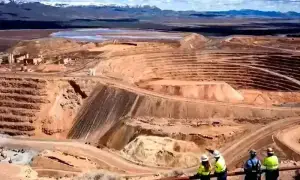
Dar cited the Reko Diq copper-gold project in Balochistan as an example of the scale of the opportunity.
He said its partnership between Barrick Gold, federal state-owned enterprises and the Balochistan government shows how international expertise, national participation and provincial ownership can come together in a major long-term investment.
“But our ambition must extend beyond individual projects. It must encompass the entire minerals value chain,” he said.
He added that this would require investment in mines, technology, processing facilities, energy, transport and logistics. It would also open opportunities for Pakistani firms in engineering, equipment, specialised services and manufacturing.
He noted that the global move to clean energy, electric vehicles and battery storage has increased demand for reliable supplies of copper and other critical minerals. As countries diversify their supply chains, he said, Pakistan offers itself as a competitive and trusted destination for exploration and investment.
On governance, Dar said the constitutional framework makes partnership with the provinces indispensable, and their authority over mineral resources must be respected.
The federal government is working with the provinces on national coordination, investment facilitation, policy alignment and international engagement.
“Balochistan is central to Pakistan’s mineral future,” he said. He pledged that developing the province’s resources would benefit its economy and the well-being of its people.
He said the mineral agenda also covers Khyber Pakhtunkhwa and the mineral-rich northern regions. He also noted the investment opportunities presented earlier by the chief ministers of Punjab and Sindh.
“A mine must create opportunities beyond its boundaries,” Dar said. He stressed local employment, skills development, local supply-chain participation and infrastructure investment.
He added that the government would ensure local communities are active participants and beneficiaries, and that their livelihoods, traditions and cultural heritage are fully respected.
Dar praised the Ministry of Energy (Petroleum Division), OGDCL, the Special Investment Facilitation Council (SIFC) and the partner institutions for organising the forum.
He also thanked the Foreign Office and Pakistan’s missions abroad for bringing in international participation.


















Comments