


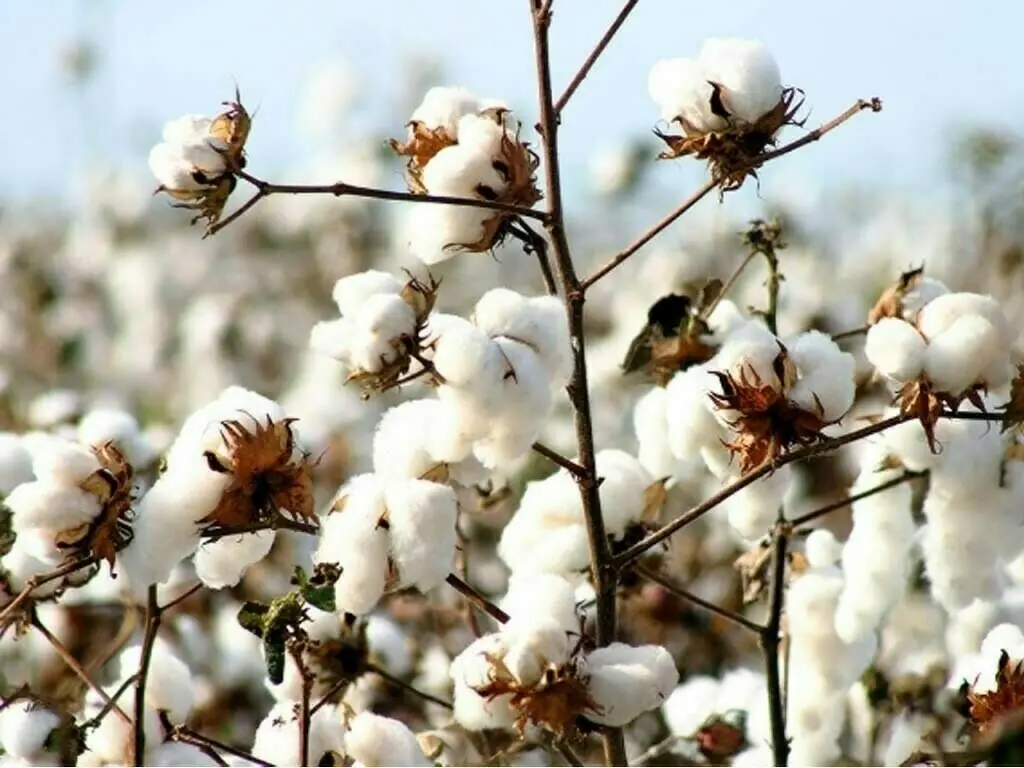
ISLAMABAD: Pakistan’s cotton production is projected to decline by 6 percent in 2026-27, according to the World Bank’s latest report.
The Bank’s report “Commodity Markets Outlook” noted that global cotton production is expected to decline by 3 percent in 2026-27, according to US Department of Agriculture estimates, with reductions across major producers, including China (-6 percent), Pakistan (-6 percent), and the United States (-3 percent). In Brazil and India, however, output is expected to increase by about 1 percent each.
The report noted that the Middle East conflict has dealt a historic shock to energy supplies, but several other shocks are also hitting commodity markets. Hostilities between Russia and Ukraine are impeding Black Sea grain and oilseed shipments and constraining Russia’s output of oil products, notably diesel.
READ ALSO: Moderate business on cotton market
A very strong El Niño threatens the production of agricultural commodities. In addition, supply constraints amid demand from renewables- and technology-linked investment have propelled base metals prices higher. Overall, commodity prices are projected to increase by 23 percent in 2026, to their second-highest level since 2013, led by a 32 percent jump in energy prices.
As global oil production drops more than 5 percent in 2026, Brent oil prices are forecast to remain elevated in the near term, averaging USD91 per barrel for the year.
Oil prices would be higher still if oil demand were not set to fall 2.5 percent this year, the third-largest drop behind the COVID-19 pandemic in 2020 and the oil crisis in 1980.
Food commodity prices are on track to climb by 10 percent in 2026, well above the April forecast. Metal and minerals prices are projected to reach an all-time high. In 2027, commodity prices are forecast to decline by 7 percent, with Brent prices receding to USD79 per barrel and slight reductions in other energy and metal prices, but a further 7 percent rise in food prices.
Even so, 2027 price projections have mostly been revised up since April, by 14 percent for energy.
The forecast hinges on a confluence of moderating factors: no major escalation of the Middle East conflict, a recovery in Russia’s oil output, easing constraints on Black Sea food shipments, and manageable crop losses from El Niño. Setbacks on these fronts could mean persistently high energy prices and stress in food markets. In an adverse scenario, oil prices would average USD 105 per barrel in 2027, and food prices would exceed their 2022 level. Such developments would drive global inflation higher.
The World Bank’s Commodity Markets Outlook, October 2026, projects global commodity prices to rise 23 percent in 2026, led by a 32 percent increase in energy prices, while food commodity prices are expected to climb 10 percent.
Although overall commodity prices are forecast to decline 7 percent in 2027, food prices are projected to rise another 7 percent, threatening to prolong pressure on household budgets and inflation in import-dependent economies.
The report identifies renewed hostilities in the Middle East, disruptions to Russian and Ukrainian exports, and an unusually strong El Niño as major risks to the global commodity outlook.
Copyright Business Recorder, 2026




















Comments