


Pinktober on two wheels: women-led Karachi rally takes breast cancer awareness to the streets
A women-led motorcycle rally in Karachi promoted breast cancer awareness, emphasizing early detection and women's health. It also challenged traditional gender roles in motorcycling, bringing vital health conversations into public spaces.
- The unique 'Cuties on Scooties Rally' promoting breast cancer awareness.
- Pakistan's high breast cancer rates and global impact.
- Challenging social stigmas around women's health discussions.
- Women's increasing presence in motorcycling and public life.
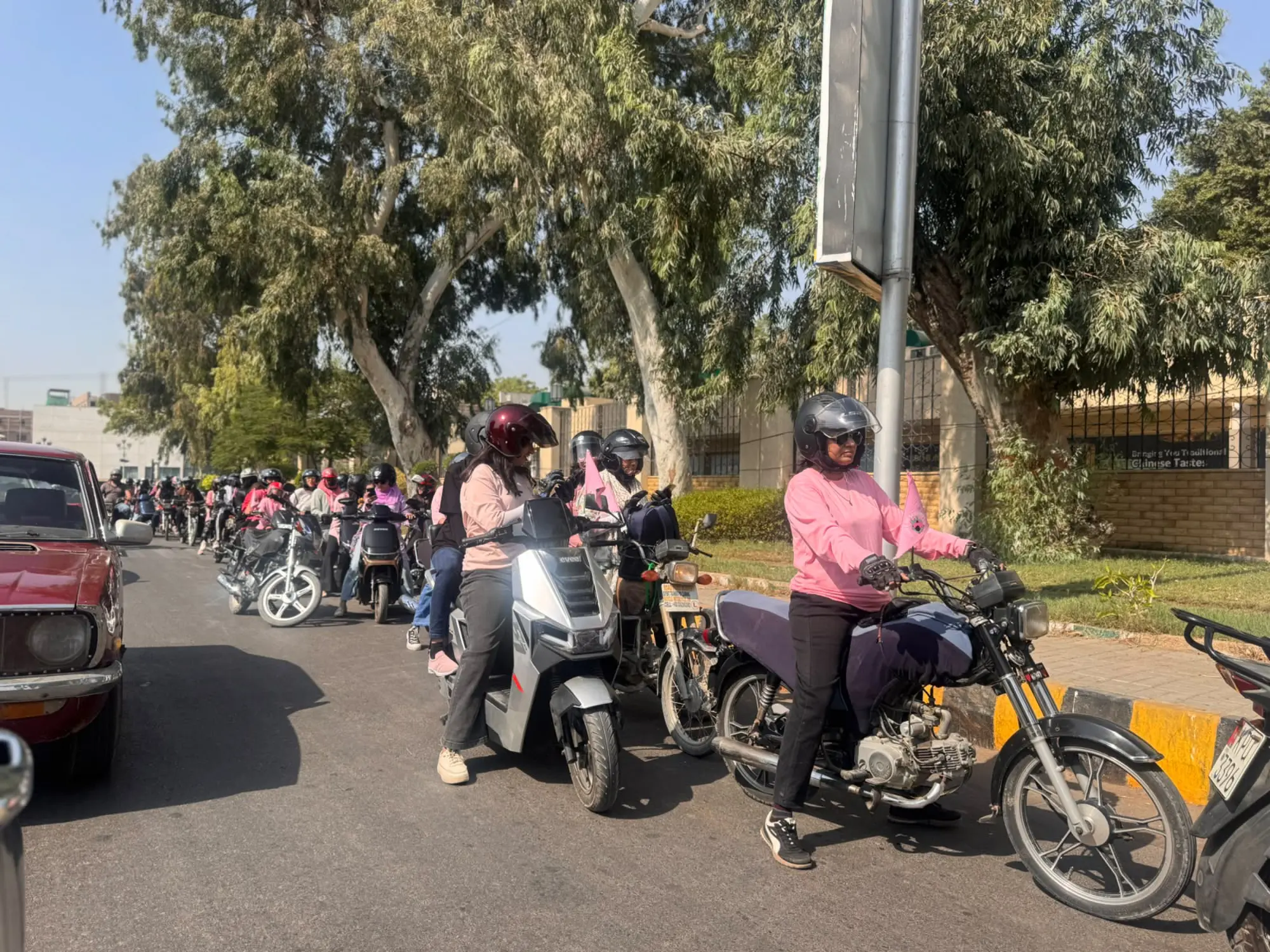
As Pinktober brings renewed attention to breast cancer awareness, a women-led motorcycle rally took to the streets of Karachi last Sunday, bringing together female riders, organisers and a medical professional to encourage conversations about breast health, early detection, and the importance of prioritising women’s health.
The second edition of the Cuties on Scooties Rally, organised by Z Volta in collaboration with Karachi Bikers Club, used the gathering as an opportunity to take breast cancer awareness beyond conventional healthcare settings and into public spaces, encouraging women to learn about the disease and seek timely medical advice.
The scale of the disease underscores the importance of such efforts. According to the World Health Organisation (WHO), an estimated 2.4 million women were diagnosed with breast cancer globally, while approximately 694,000 deaths occurred in 2024.
In Pakistan, breast cancer remains a commonly diagnosed cancer among women. According to the International Agency for Research on Cancer (IARC), the country recorded an estimated 30,682 new cases among women in 2022.
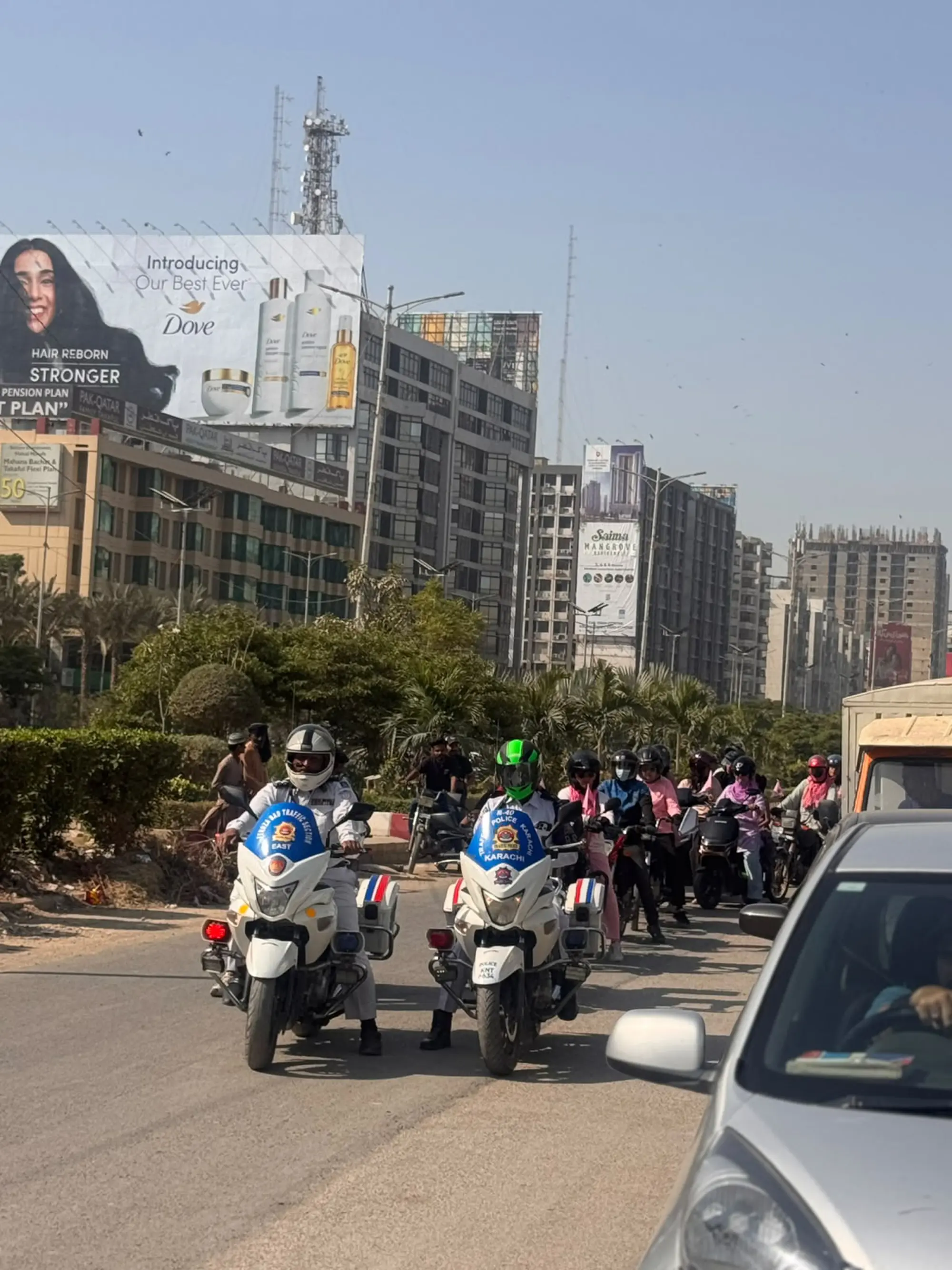
For the organisers, the rally was an attempt to make conversations about the disease more visible, particularly in a society where discussions surrounding women’s health can remain difficult to initiate.
“This time, the ride is for a cause because we want to power bigger conversations,” said Anusha Shahid, chief executive officer and co-founder of Z Volta.
She said the rally brought together women who were already challenging social stigmas and taboos, creating an opportunity to discuss breast health and encourage women to pay greater attention to their well-being.
“In our daily lives, we women often forget that we need to choose ourselves,” Shahid said, adding that the initiative aimed to remind women to prioritise their health. “That is why we have brought everyone together: to remind women that it is important to prioritise themselves and to encourage other women around them to do the same.”
Z Volta is a Pakistan-based electric mobility company working to expand electric vehicle charging infrastructure, including solutions for electric two-wheelers.
The rally commenced from Z Volta’s headquarters (HQ), with female riders travelling together along Shahrah-e-Faisal towards Avari Tower before returning to the starting point. Accompanied by rally marshals and traffic police, the procession moved through one of Karachi’s busiest thoroughfares, taking its message of breast cancer awareness directly to the city’s streets.
Taking awareness beyond the clinic
While Pinktober campaigns often focus on information sessions and medical guidance, the rally used a public gathering of women motorcyclists to draw attention to the issue. The idea was to make breast health a subject of everyday conversation rather than one discussed only when symptoms appear or a diagnosis is made.
Dr Rafia Haleem Shaikh, a general surgeon who joined the event to discuss breast cancer awareness, said women needed to understand the disease, recognise potential warning signs and know when to seek medical evaluation.
She stressed that awareness of the importance of early detection was central to improving outcomes for women diagnosed with breast cancer.
“We cannot always prevent it from occurring, but we can detect it early and save lives,” Shaikh said. “It is very important for women of all ages to understand what breast cancer is, what signs they should look out for, and when they should seek medical evaluation.”
The doctor’s participation added a medical perspective to the rally’s broader message, linking public awareness with the need for informed decisions about health.
A rally with a second message
The event also highlighted another aspect of women’s participation in public life: their growing presence in motorcycling, an activity that has traditionally been perceived as male-dominated.
Hadiqa Murtaza of Karachi Bikers Club’s female wing said the club had recently established a dedicated wing to encourage women’s participation in riding and touring. Its activities include short rides and tours across Sindh, allowing women to build confidence, explore different destinations and participate in group riding.
“In the past, people might not even have imagined women riding motorcycles, particularly heavy bikes, or going on tours. Today, however, women are doing exactly that,” Hadiqa said.
She said the rally brought these two objectives together by encouraging women to gather for a shared cause while demonstrating their participation in an activity that has often challenged conventional expectations.
Karachi Bikers Club is a riders’ community that organises motorcycle tours and group rides. Through its female wing, the club aims to encourage more women to participate in riding and develop confidence in an activity that has often been considered outside traditional expectations of women’s mobility.
By bringing its female riders into the breast cancer awareness campaign, the club used an existing community to help amplify a public health message.
The rally’s road presence was also intended to extend awareness beyond those attending the event. Organisers hoped that seeing women riding together for the cause, alongside media coverage, would prompt more people to engage with the subject.
The conversation must continue beyond October
Pinktober provides a focal point for breast cancer awareness campaigns, but the organisers’ message extended beyond the month itself. The emphasis was on encouraging women to take their health seriously, become familiar with potential warning signs and seek medical advice when necessary.
The rally combined these perspectives in a single public initiative: women taking to the roads not only to ride, but also to encourage conversations about a disease that affects millions of women worldwide.




















Comments