


Pakistan says cross-border strikes targeted terrorists, rejects Afghanistan’s allegations
- Says over 3,500 casualties took place in Pakistan from terrorist attacks in 2026 alone
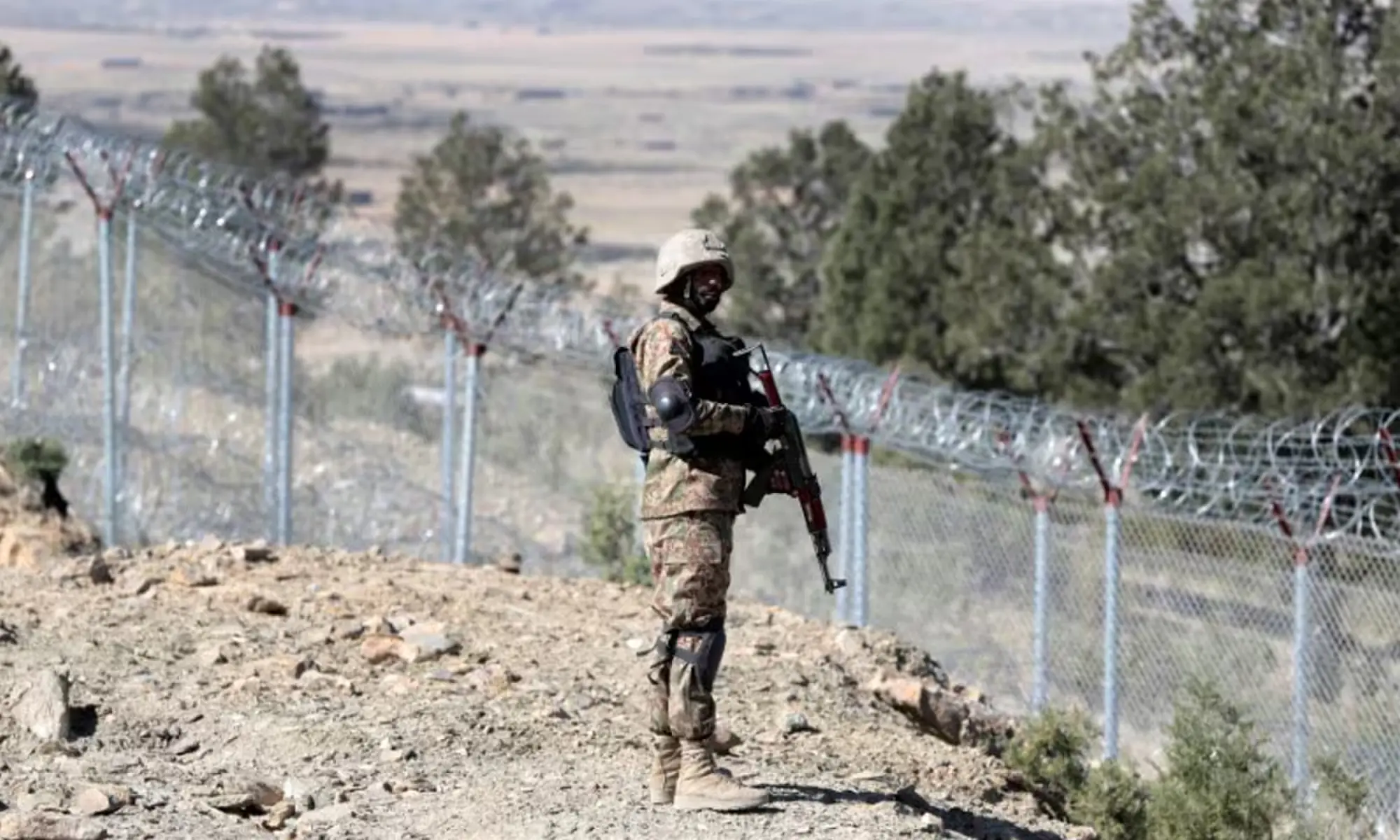
Pakistan on Monday rejected allegations by the Afghan Taliban regime regarding civilian casualties in its counterterrorism operations, saying its actions in Afghanistan were aimed exclusively at terrorist groups and their logistical support bases.
In a statement, the Foreign Office said terrorist attacks originating from Afghan territory had caused more than 3,500 casualties in Pakistan in 2026 alone.
It said the Afghan Taliban regime continued to shelter terrorist organisations, including the Tehreek-e-Taliban Pakistan (TTP), which it referred to as Fitna al Khawarij, and the Balochistan Liberation Army (BLA), referred to as Fitna al Hindustan, along with their affiliates.
The Foreign Office said these groups posed a serious threat to regional and international peace and stability. It added that relevant United Nations mechanisms, including the Monitoring Team, had also reported concerns about the presence of terrorist organisations in Afghanistan.
“Thousands of Pakistani civilians have been martyred because of terrorist attacks which have been planned, financed, supported and carried out from Afghan soil, all under the watch, patronage and active facilitation of the Afghan Taliban regime.
“No responsible state can remain passive when its civilians and security forces are repeatedly targeted,” it said.
The statement said Pakistan’s response was undertaken in exercise of its right to self-defence and as a last resort. It maintained that the actions were proportionate to the threat and adhered to the principles of distinction and precaution.
The Foreign Office rejected suggestions to the contrary, saying the scale and scope of the response reflected restraint in view of the frequency and severity of attacks against Pakistan.
It urged the international community to hold the Afghan Taliban regime accountable for meeting its obligations under relevant UN Security Council resolutions and preventing Afghan territory from being used to launch terrorist attacks.
Pakistan, the statement added, reserved the right to take all necessary measures to protect its sovereignty, territorial integrity and the safety and security of its citizens.
Pakistan’s relations with Afghanistan
Pakistan’s relations with Afghanistan regarding terrorism have been consistently strained, with Pakistan repeatedly accusing the Afghan interim government of failing to prevent its territory from being used by terrorist groups, particularly the Tehreek-e-Taliban Pakistan (TTP), for attacks against Pakistan.
In early 2023, Pakistan’s National Security Committee warned that no country would be allowed to provide sanctuaries to terrorists, and its ministers suggested targeting TTP militants in Afghanistan if Kabul did not act. The Afghan interim government, however, “regretted” Pakistan’s warnings, calling them “false” and “provocative,” and stated they were trying their best not to use Afghan territory against Pakistan. Following a deadly attack in Peshawar, Pakistan asked the Afghan government to fulfill its commitments to prevent its soil from being used by terrorists. Afghan acting foreign minister Amir Khan Muttaqi, in turn, raised suspicions about the Peshawar attack being an “internal act” and advised Pakistan not to “blame others for their own problems”. Pakistan subsequently planned to appeal to the Afghan Taliban’s supreme leader to rein in militants.
By late 2023, Pakistan had revisited its policy towards Afghanistan due to the Afghan rulers allegedly providing “sustenance, shelter and modern weaponry” to anti-Pakistan militants. The deteriorating bilateral relations and a lack of meaningful state-to-state engagement posed significant challenges for Pakistan in addressing the terror threat. A research report noted that terrorist groups like al-Qaeda and TTP, aligned with the Taliban, felt more at ease in Afghanistan, and the Taliban’s differing perspective on terrorism complicated Pakistan’s efforts.
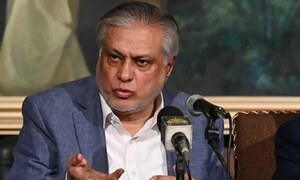
In April 2025, during a visit by Pakistan’s Deputy Prime Minister and Foreign Minister Ishaq Dar to Kabul, both nations assured each other that their territories would not be used for terrorism. However, in May 2025, Pakistan’s Director General of ISPR stated that the Afghan government was not merely ignoring cross-border terrorism but “actively harbouring Indian-sponsored groups” orchestrating attacks on Pakistan, calling it a “reckless gamble”. In July 2025, both countries recognized terrorism as a serious threat, with Pakistan emphasizing the need for concrete actions against terrorist groups on Afghan soil.
By September 2025, Pakistan’s Foreign Office expressed “grave concern” over statements from the Afghan Defence Minister regarding Pakistan’s security failures, reiterating that “Fitnatul Khawarij” (TTP/ISK-P terrorists) in Afghanistan were destabilizing Pakistan. In November 2025, Pakistan ruled out talks with any terrorist group and stated that normal trade and transit with Afghanistan were only possible if the Afghan Taliban regime took clear steps against “anti-Pakistan elements”.
As of January 2026, Pakistan continued to assert that terrorism emanating from Afghan soil remains the only bilateral issue between Islamabad and Kabul. Pakistan reiterated its demand for concrete and verifiable assurances from Afghan authorities to prevent terrorist activity against Pakistan, noting that tensions persisted amid accusations of Afghan territory being used by terrorist groups. Pakistan had carried out cross-border strikes in Afghanistan in October 2025 following a surge in attacks. The military spokesperson described the Afghan Taliban as the “mother organisation” of terrorist groups allegedly operating against Pakistan since 2021.
















Comments