


Proposed AIDP 2025-30: Panel to seek PM’s guidance on tariff structure
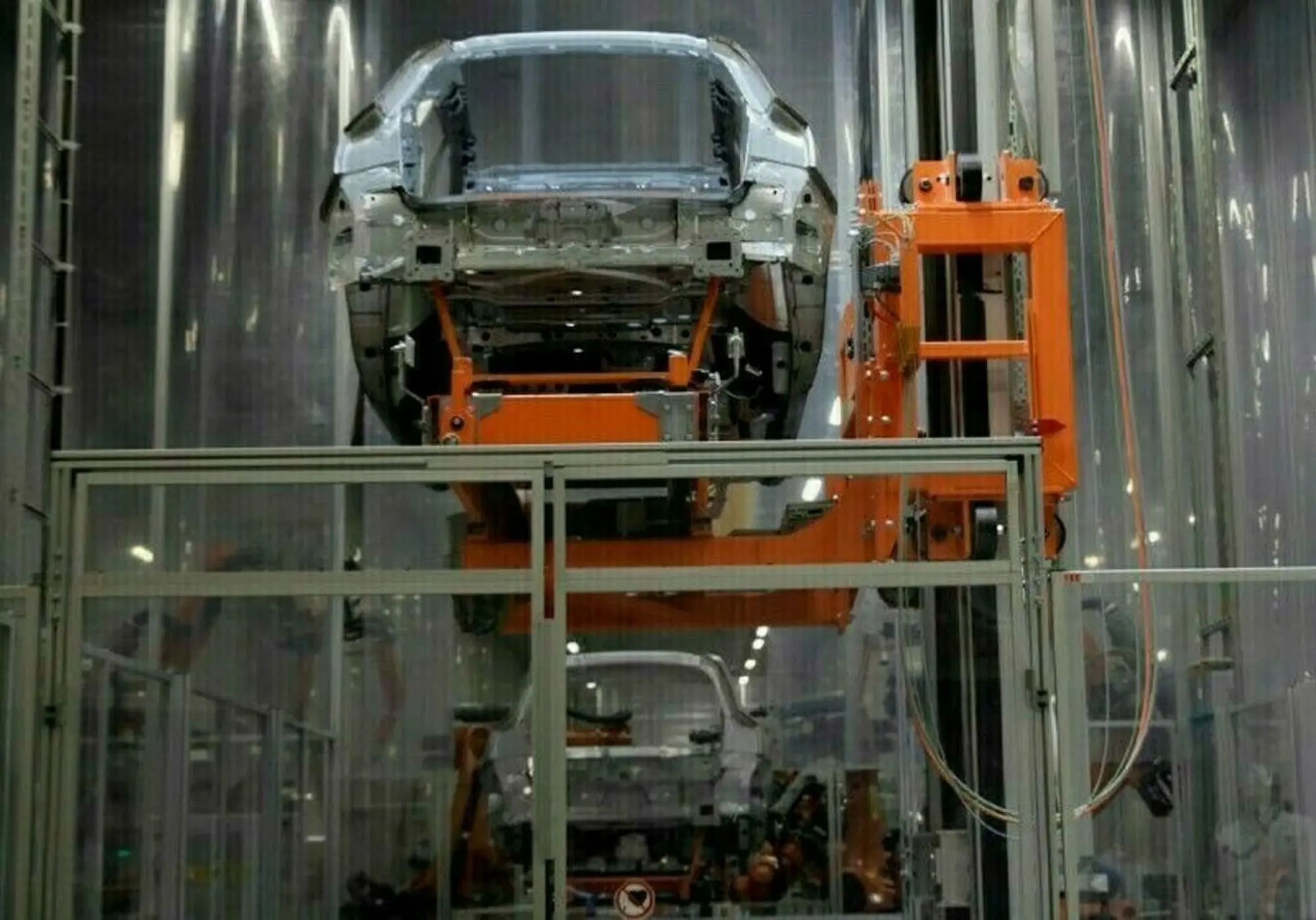
ISLAMABAD: A ministerial panel led by the Power Minister is set to seek guidance from the Prime Minister on the proposed Automobile & Auto Parts Manufacturing Policy (AIDP) 2025–30, as differences between the Ministries of Commerce and Industries over tariff structures remain unresolved, well-informed sources told Business Recorder.
According to sources, the committee has held several back-to-back meetings in an attempt to build consensus on tariff proposals for the auto sector, but the deadlock persists.
“The government has to choose either the National Tariff Policy (NTP) or the AIDP—both frameworks cannot run simultaneously,” said an official familiar with the deliberations.
READ ALSO: Paapam seeks urgent consultation with PM
The Ministry of Industries and Production (MoI&P) has formally highlighted the issue, stating that customs tariff matters—particularly duties on CKD kits, raw materials, subcomponents, and assemblies—fall under the mandate of the Tariff Policy Board (TPB). It has urged the government to convene an urgent TPB meeting to recommend an interim mechanism for determining duty structures until the new auto policy is finalised.
Power Minister was in Saudi Arabia whereas Secretary Commerce, Jawad Paul, is in Washington for a trade deal with the US due to which no progress has been made on the issue of auto sector tariff.
“Ours is that all new energy vehicles should have one tariff,” said another official.
Meanwhile, Pakistan’s ambition to emerge as a regional electric vehicle (EV) manufacturing hub is facing growing challenges due to delays in finalising the AIDP and implementing the National Electric Vehicle (NEV) Policy 2025–30.
The NEV Policy sets ambitious targets, including increasing EVs to 30 percent of new vehicle sales by 2030, reducing fuel imports by around two billion litres annually, expanding nationwide charging infrastructure, and promoting local manufacturing and exports. However, progress has been slower than expected due to delays in regulatory approvals and implementation frameworks.
Industry stakeholders warn that uncertainty over localisation requirements, export obligations, tariff regimes, and the broader auto policy is complicating investment planning for both existing players and new entrants in Pakistan’s EV market.
The situation has been further complicated by delays in finalising regulations for EV charging infrastructure. Draft rules prepared in 2024 remain pending due to coordination issues between the Engineering Development Board (EDB) and the National Energy Efficiency and Conservation Authority (NEECA), slowing the rollout of a nationwide charging network—considered critical for mass EV adoption.
These delays come at a time when both international and domestic companies are expanding their footprint in Pakistan. Chinese automaker BYD, through a local partnership, has announced plans for EV production, while Geely has also shown interest in entering the market. Local manufacturers such as Sazgar Engineering and Nishat Motors have already expanded their hybrid and EV portfolios in anticipation of policy support.
Automotive analysts stress that investors require regulatory clarity before committing significant capital to manufacturing facilities, localisation of advanced components, battery assembly, and charging infrastructure. They caution that continued policy uncertainty could undermine momentum generated by the NEV Policy.
The policy also aims to cut carbon emissions by approximately 4.5 million tonnes annually, generate substantial foreign exchange savings by reducing petroleum imports, and position Pakistan as a competitive regional EV manufacturing base. However, achieving these targets hinges on coordinated implementation across multiple government institutions responsible for industrial policy, energy regulation, transport, and taxation.
Industry representatives have reiterated concerns over delays in EV charging regulations, noting that prolonged coordination between EDB and NEECA has slowed progress on one of the NEV Policy’s most critical components. They argue that timely finalisation of the framework would significantly boost investor confidence and accelerate infrastructure deployment.
While critics have questioned the EDB’s pace in coordinating implementation, the board has not publicly acknowledged any shortcomings. Officials maintain that responsibility for EV infrastructure development is shared among multiple institutions, including NEECA and other regulatory bodies.
Copyright Business Recorder, 2026












Comments