


Pakistan expects early EV target amid oil price surge: report
- Since the Middle East war started in February, petrol and diesel prices have jumped 54% and 43%, respectively
Pakistan expects to achieve its electric vehicle adoption targets ahead of schedule, primarily due to surging oil prices making EVs more economically attractive for consumers.
- Rising oil prices accelerating EV adoption.
- Pakistan's national EV policy and targets.
- Upcoming auto policy with potential EV tax incentives.
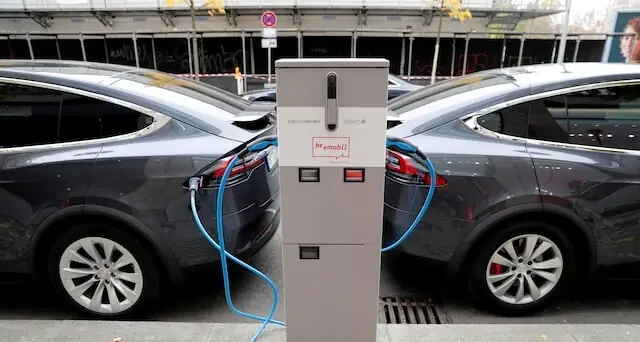
Amid the growing popularity of electric vehicles (EVs), Pakistan expects to reach its EV adoption target ahead of schedule as consumers increasingly switch from petrol- or diesel-powered cars.
“I feel that the target we had set in our electric-vehicle policy last year, we will achieve it much earlier as the rise in oil prices has brought cost recovery of EVs to one to one-and-a-half year,” Haroon Akhtar, adviser to the prime minister on industries and production, told Bloomberg.
Pakistan has developed policies to promote the adoption of Electric Vehicles (EVs) to reduce its fuel import bill, improve environmental conditions, and foster a sustainable transport system.
In 2019, the government approved the National Electric Vehicles Policy (NEVP) in 2019. The initial goals included EVs making up 30% of all passenger vehicle and heavy-duty truck sales by 2030, and 90% by 2040.
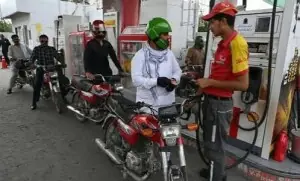
Since the Middle East war started in February, petrol and diesel prices have jumped 54% and 43%, respectively, according to Pakistan State Oil Company Ltd. This has shortened the time it takes for buyers to recoup the higher upfront cost of an EV, Akhtar told Bloomberg.
Oil prices climbed on Thursday on persistent worries about supply from the key Middle East producing region amid an increase in attacks on shipping in the Gulf and the Strait of Hormuz, while the US cut output as a hurricane menaced offshore production.
Brent crude futures rose $2.28, or 2.28%, to $102.28 a barrel by 0427 GMT. US West Texas Intermediate (WTI) crude futures gained $1.66, or 1.88%, to $89.94.
Meanwhile, the official told Bloomberg that the government is also preparing a new auto policy that could be presented to the cabinet within the next two weeks. The government is considering tax incentives for EVs to narrow their price gap with conventional vehicles, Akhtar said.
Last year, the National Electric Vehicle (NEV) Policy 2025-30 was officially launched in June 2025, after being finalised in November 2024 and approved by the Economic Coordination Committee in October 2025.














Comments