BR100 Increased By (0.13%)
BR30 Increased By (0.41%)
KSE100 Increased By (0.07%)
KSE30 Increased By (0.09%)
AGHA 6.69 Increased By ▲ 0.14 (2.14%)
BECO 4.37 Increased By ▲ 0.05 (1.16%)
BML 59.23 Increased By ▲ 3.77 (6.8%)
BOP 29.80 Increased By ▲ 0.08 (0.27%)
CNERGY 12.73 Decreased By ▼ -0.20 (-1.55%)
CSIL 5.17 Increased By ▲ 0.02 (0.39%)
FCCL 52.16 Increased By ▲ 0.31 (0.6%)
FFL 14.00 Increased By ▲ 0.01 (0.07%)
FNEL 1.19 No Change ▼ 0.00 (0%)
KEL 6.04 Increased By ▲ 0.45 (8.05%)
KOSM 5.62 Increased By ▲ 0.09 (1.63%)
LOTCHEM 25.59 Decreased By ▼ -0.13 (-0.51%)
MLCF 90.90 Decreased By ▼ -0.39 (-0.43%)
NBP 162.01 Increased By ▲ 0.27 (0.17%)
NCPL 52.72 Increased By ▲ 0.26 (0.5%)
NPL 55.74 Increased By ▲ 0.69 (1.25%)
OGDC 315.91 Decreased By ▼ -1.14 (-0.36%)
PACE 9.72 Increased By ▲ 0.13 (1.36%)
PAEL 34.06 Increased By ▲ 0.08 (0.24%)
PIBTL 13.51 Decreased By ▼ -0.06 (-0.44%)
PPL 220.29 Decreased By ▼ -0.83 (-0.38%)
PRL 94.32 Decreased By ▼ -0.06 (-0.06%)
PTC 60.24 Increased By ▲ 2.18 (3.75%)
SSGC 23.17 Increased By ▲ 0.10 (0.43%)
TBL 9.22 Increased By ▲ 0.51 (5.86%)
TELE 7.28 Increased By ▲ 0.04 (0.55%)
TPL 20.06 Decreased By ▼ -0.66 (-3.19%)
TPLP 11.90 Increased By ▲ 0.16 (1.36%)
TREET 23.07 Increased By ▲ 2.10 (10.01%)
TRG 56.49 Increased By ▲ 1.15 (2.08%)
Opinion Print edition: 2026-09-30

‘A growing challenge to water security’

Published Updated

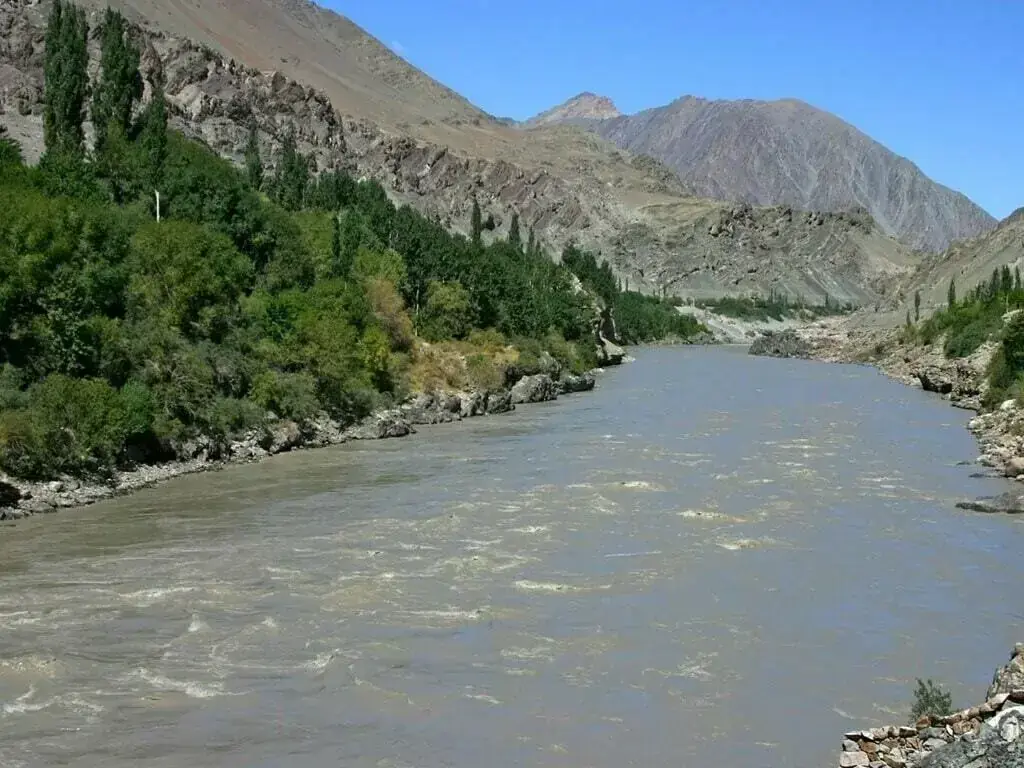
This is apropos a letter to the Editor titled “A growing challenge to water security” carried by the newspaper yesterday. One of the most pressing concerns, in my view, is the cascading effect of consecutive low-snow years. Reduced melt water not only limits immediate supply but also disrupts groundwater recharge and soil moisture levels.

This creates a dangerous feedback loop: each dry year compounds the severity of the next. In an agrarian economy like Pakistan’s, this translates directly into reduced crop yields, rising food prices, and increased rural distress. Hence, ICIMOD’s warning that “every dry spell will hit harder” should not be taken lightly.

Equally, concerning is the lack of coordinated water governance. Water allocation in Pakistan is often shaped by political considerations rather than scientific assessment. Provinces compete rather than collaborate, and institutional fragmentation weakens the overall response. The ICIMOD report’s call for coordinated efforts among agencies highlights a fundamental gap that must be addressed. Without integrated planning, even the best technical solutions can fail to deliver meaningful results.

Rashid Bhoon (Lahore)

Copyright Business Recorder, 2026
Comments

200 characters remaining