


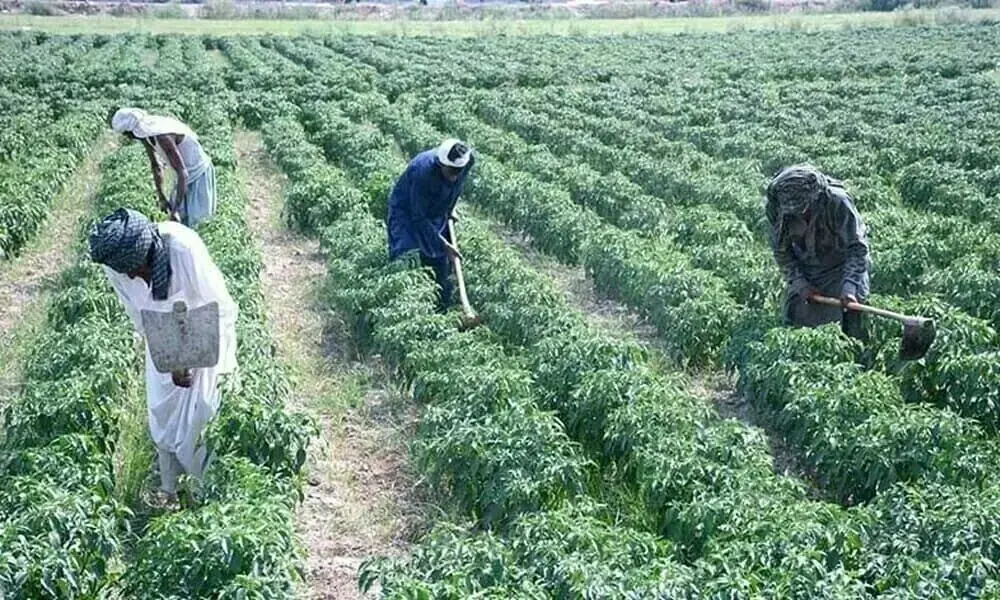
LAHORE: The Punjab Agriculture Department has advised people to start preparing for winter vegetable cultivation in September and October, saying a well-planned kitchen garden can provide fresh vegetables for household consumption through the winter months.
According to the department’s spokesperson, winter vegetables generally remain productive until February or March and include cauliflower, cabbage, potato, onion, lettuce, radish, turnip, peas, carrot, spinach, fenugreek, coriander and garlic.
The department said cauliflower, cabbage, broccoli, onion and lettuce are generally grown through seedlings, while vegetables such as radish, turnip, carrot, spinach, fenugreek, coriander, peas and garlic can be sown directly in the soil.
It advised growers to select a location receiving at least six hours of sunlight daily. Areas that remain shaded for longer periods, it said, could be used for leafy vegetables such as coriander, mint, spinach and lettuce.
The spokesperson recommended measuring the selected area before cultivation to determine the required quantity of seed and fertiliser. While vegetables such as coriander and mint can meet household needs from a relatively small area, other crops require more space.
Gardeners should also prepare a simple layout before sowing, marking the vegetables to be planted, row spacing, distance between plants and fertiliser requirements.
This, the department said, would help in preparing the soil and managing the crop efficiently.
For winter cultivation, vegetable rows should preferably run from north to south to maximise exposure to sunlight.
The department also advised growers to install protective fencing around kitchen gardens to keep out domestic animals, including chickens and rabbits.
To protect peas and other vegetables from birds such as parrots and sparrows, growers can tie bright-coloured strips around the cultivated area, which can help deter birds from entering the garden.
Copyright Business Recorder, 2026

















Comments