


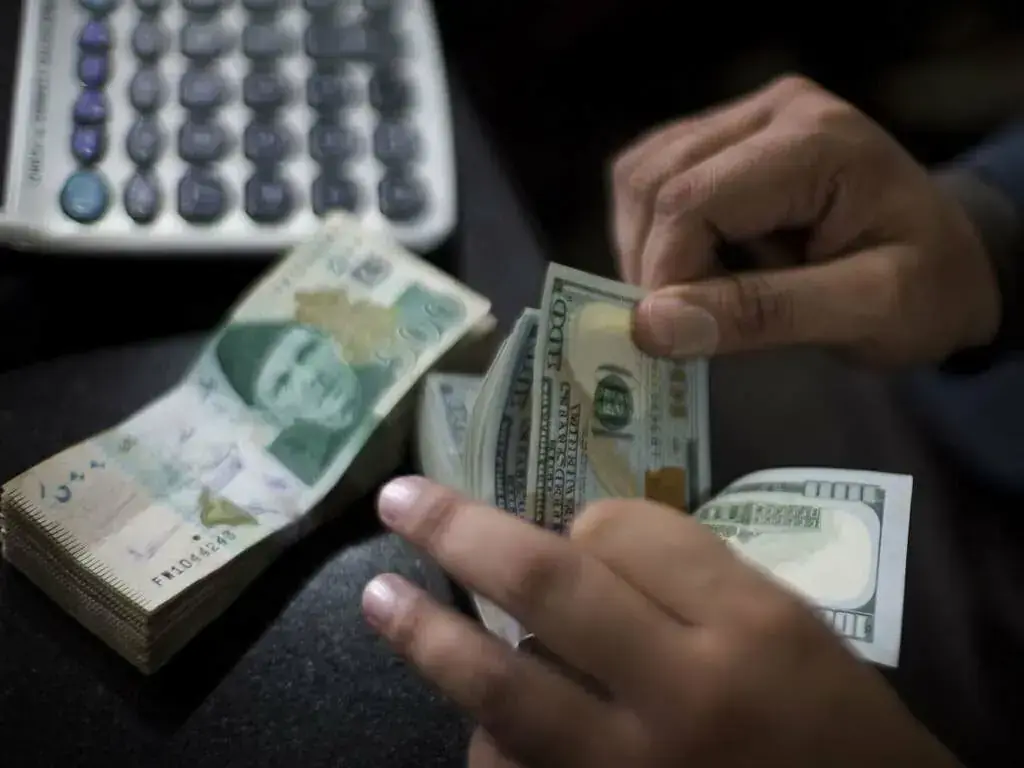
ISLAMABAD: Workers’ remittances from Qatar increased during the first two months of the current fiscal year 2026-27 compared with the corresponding period of last fiscal year 2025-26, but inflows have yet to regain the monthly high recorded in May 2026, according to State Bank of Pakistan (SBP) data.
Qatar-origin remittances reached around USD192.2 million during July-August 2026, against USD169.5 million in the same period of 2025, showing an increase of about 13 percent.
According to the SBP data, remittances from Qatar rose to USD98 million in July 2026, compared with USD83.6 million in July 2025, registering a year-on-year increase of around 17 percent.
In August, Qatar-origin remittances stood at USD94.2 million, higher than USD85.9 million recorded in the same month last year.
However, the latest monthly inflow remained below the May 2026 peak, indicating that despite the year-on-year improvement, Qatar’s remittance corridor has yet to sustain the higher monthly levels seen earlier in the year.
Chairman Pakistan Forex Association Malik Bostan told Business Recorder that Pakistan’s remittances from Gulf countries continued to surge despite ongoing regional tensions, with Pakistani workers maintaining their flow to major Gulf labour markets and sending higher earnings home through formal banking channels.
Bostan said the increase in remittances from Qatar and other major Gulf markets reflected the continued presence of Pakistani workers in these countries despite the war and heightened tensions in the region.
He said people from some other countries were reluctant to visit the Gulf region because of the security situation, but Pakistani workers continued to travel to these countries for employment.
READ ALSO: Remittances: Strong, but exposed
“Pakistani workers are still going to Gulf countries for jobs and are continuing to send their earnings back home,” Bostan said, adding that this was contributing to the rise in workers’ remittances.
He said the sustained inflow from Gulf markets was particularly important for Pakistan’s foreign exchange liquidity and external account, given the large Pakistani workforce employed across the region.
The broader Gulf remittance picture remained positive during the opening two months of fiscal year 2027.
Remittances from Saudi Arabia, Pakistan’s largest source, rose to around USD1.787 billion during July-August 2026, from USD1.560 billion in the corresponding period of 2025, showing an increase of about 15 percent.
Saudi remittances increased 11 percent year-on-year to USD913.9 million in July 2026, from USD823.7 million, while August inflows rose around 18 percent to USD873.5 million, compared with USD736.3 million a year earlier.
The UAE also recorded strong growth, with remittances reaching around $1.487 billion during July-August, against USD1.308 billion in the same period last year, an increase of approximately 14 percent.
UAE-origin inflows rose from USD665.3 million in July 2025 to USD737.3 million in July 2026, while August remittances increased from USD642.9 million to USD749.8 million.
Overall, Pakistan received USD3.656 billion in workers’ remittances in August 2026, up 16.5 percent year-on-year and 0.7 percent month-on-month.
Cumulatively, remittances during the first two months of fiscal year 2027 rose 14.7 percent to USD7.29 billion, compared with USD6.4 billion in the corresponding period of fiscal year 2026.
Bostan said the continued growth in remittances from Saudi Arabia, the UAE, Qatar and other Gulf countries demonstrated the importance of these labour markets for Pakistan’s external sector.
He said higher remittance inflows were providing additional support to the country’s foreign exchange position while also strengthening household incomes of families’ dependent on overseas earnings.
Copyright Business Recorder, 2026





















Comments