


Pakistan eyes $400mn remittance savings through stablecoins, says Bilal bin Saqib
- Pakistan seeks to move virtual assets from an informal market into a regulated financial ecosystem
Pakistan is exploring regulated stablecoins for remittances and other virtual assets to save $400 million annually, boost digital exports, and finance SMEs under a new regulatory framework.
- Potential $400 million annual savings from stablecoin remittances.
- New licensing framework for Virtual Asset Service Providers.
- Tokenization's role in financing SMEs and trade.
- Pakistan's strategy to integrate virtual assets into its economy.
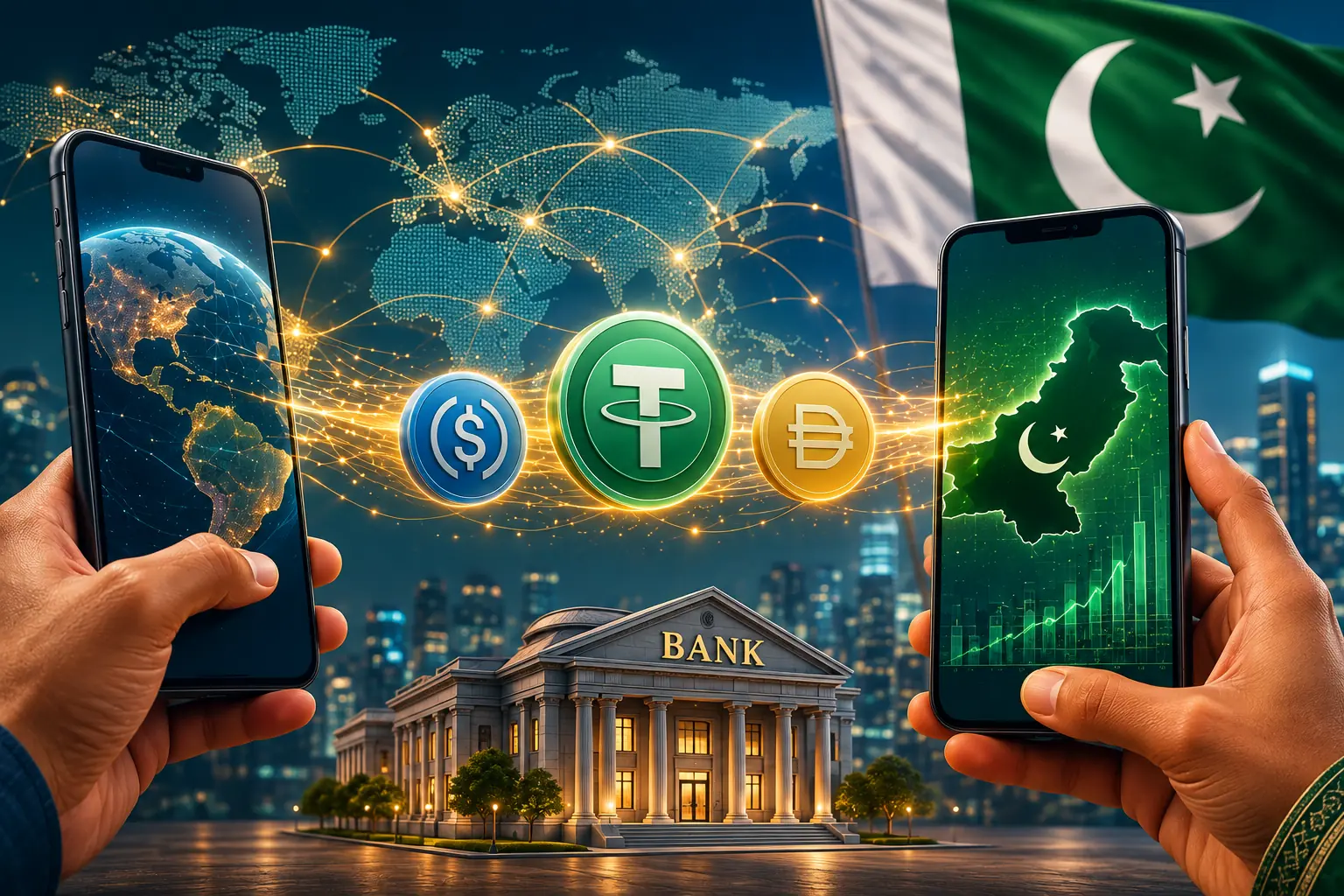

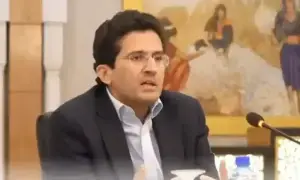
Pakistan is exploring the use of regulated stablecoins for remittances, with potential savings of around $400 million a year if the technology can reduce transfer costs by one percentage point on the country’s roughly $40 billion annual remittance inflows, Bilal bin Saqib, Chairman of the Pakistan Virtual Assets Regulatory Authority (PVARA), said.
The proposal forms part of a broader government push to develop use cases for virtual assets, including cross-border payments, digital exports, trade finance and tokenised financial assets.
“I consider this technology to be a very big technology to solve the problems of Pakistan,” Saqib said on Saturday.
“Approximately $40 billion that we get in remittances is still coming through the old model, through SWIFT,” he said, arguing that a one-percentage-point reduction in transaction costs through stablecoin-based remittances could save about $400 million.
The official cited World Bank data showing that the global average cost of sending $200 was around 6%, saying regulated stablecoins could make remittance transfers significantly cheaper.
Pakistan formally opened the licensing process for Virtual Asset Service Providers (VASPs), marking a major step towards integrating the country with the global digital asset economy under a regulated framework.
Under Section 70 of the Virtual Assets Act, 2026, existing virtual asset service providers are required to submit applications for a No-Objection Certificate (NOC) by September 5, 2026, failing which they will be required to cease operations.
Meanwhile, Pakistan’s crypto chief said the opportunity extended beyond traditional remittances to Pakistan’s growing pool of freelancers, software developers, designers, creators and other digital workers receiving payments from overseas.
“Our IT exports are worth billions. But today we have to ask the question: how will these people get payments from the global economy in 2030? How fast will the settlement be? What will be the cost? How will Pakistan capture that value in the formal economy?” Saqib asked, adding that new financial rails could make legitimate export income easier to receive and more transparent.
The government is also examining whether tokenisation could help address Pakistan’s shortage of financing for small and medium-sized enterprises, exporters, agriculture, energy and infrastructure.
“Pakistan’s SMEs account for 90% of the country’s business and 40% of the GDP. But in March, SME financing was only Rs850 billion.”
Tokenised trade receivables and private credit could potentially connect Pakistani borrowers with international pools of capital, he said.
“Pakistan should also study whether tokenised settlements can be improved, whether distribution can be broader, whether we can provide better accessibility to the diaspora of Pakistani investment products,” he said.
The push comes as Pakistan seeks to move virtual assets from an informal market into a regulated financial ecosystem.
Explaining key terms, the advisor said that blockchain is a technology that maintains and transfers ownership and transactions to a digital record.
“Stablecoins are generally a currency, often a digital representation of the dollar, which is moving on the blockchain rails. Whereas tokenisation means that a traditional asset is being represented in a programmable digital form,” he said.
“Only through this technology, inaccessible, illiquid assets can be accessed by the general public securely and transparently,” he said.
Saqib shared that the current global market value of stablecoins is over $300 billion. “Tens of billions of USD of traditional, real-world financial assets have already been tokenised on the blockchain infrastructure. Even excluding stablecoins, more than $35 billion in real-world assets have become part of the on-chain economy,” he said.
Citing global institutions, i.e., BlackRock and Goldman Sachs and advanced economies, including Hong Kong and Singapore, Saqib stated: “Technology is real. Capital is real. Institutions are participating. The real question is whether Pakistan will only consume this shift or understand and shape it for its national interest.”
Saqib broke down the journey of Pakistan’s virtual assets regulation into three phases: establishing the legal and regulatory framework; responsibly building the market by licensing credible operators and strengthening anti-money laundering compliance; and developing national use cases.
“Licensing has been opened. Existing activity is being taken into the regulatory perimeter. Today we have reached here,” he said.
The third phase would focus on remittances, cross-border settlement, digital exports, trade finance, private credit and tokenised securities.
Saqib stressed that each proposed application should be assessed against a practical test: what measurable economic benefit it delivers to Pakistan.
“Pakistan has approached technological revolutions late many times,” Saqib said, arguing that the country should build the capacity to understand and regulate emerging technologies rather than simply adopt them after other markets have moved ahead.
“Today we have launched Virtual Asset Service Regulations, and this is very important. But I hope that we will not remember this moment only as a crypto regulation.”














Comments