


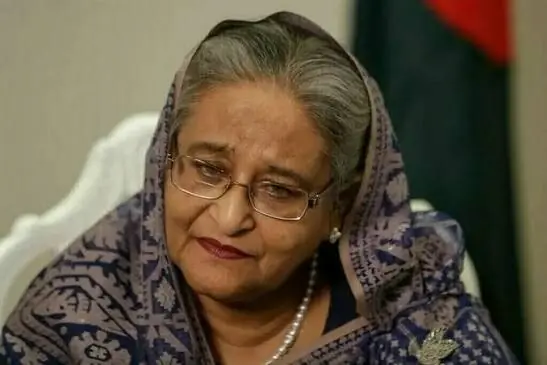
Bangladesh has undergone a dramatic political transformation since former Prime Minister Sheikh Hasina fled to India on August 5, 2024, following weeks of student-led protests that eventually turned into a nationwide uprising. Her departure brought an abrupt end to 15 years of Awami League rule and opened a new and uncertain chapter in Bangladesh’s political history.
An interim government headed by Nobel laureate Muhammad Yunus took charge on August 8, 2024, promising political reforms and a transition towards democratic governance. The administration sought to address institutional weaknesses and prepare the ground for elections, but its tenure was marked by political uncertainty, street violence, economic difficulties and growing tensions among competing political forces.
The Awami League was eventually barred from political activities, while the emergence of new political groups led by former student protesters altered the country’s traditional two-party political landscape.
The Yunus government also faced the difficult question of what to do with Hasina. Bangladesh sought her extradition from India, while criminal proceedings were initiated against her over her government’s response to the 2024 protests.
In November 2025, she was convicted in absentia and sentenced to death over crimes against humanity, a verdict she rejected as politically motivated. Bangladesh therefore stands at a delicate political crossroads.
The fall of Hasina created an opportunity for democratic renewal, but translating that opportunity into stable institutions and inclusive politics remains a formidable challenge.
Mushtaq Ahmed, Dhaka
Copyright Business Recorder, 2026















Comments