


Pakistan's trade deficit widens over 25% YoY to $3.95bn in July 2026
- Trade deficit narrows 15% MoM
Pakistan's trade deficit surged 25% year-on-year to $3.95 billion in July 2026 due to higher imports, despite a significant month-on-month narrowing and strong export growth.
- Pakistan's trade deficit year-on-year increase.
- Rising import payments driven by energy prices.
- Significant month-on-month export growth.
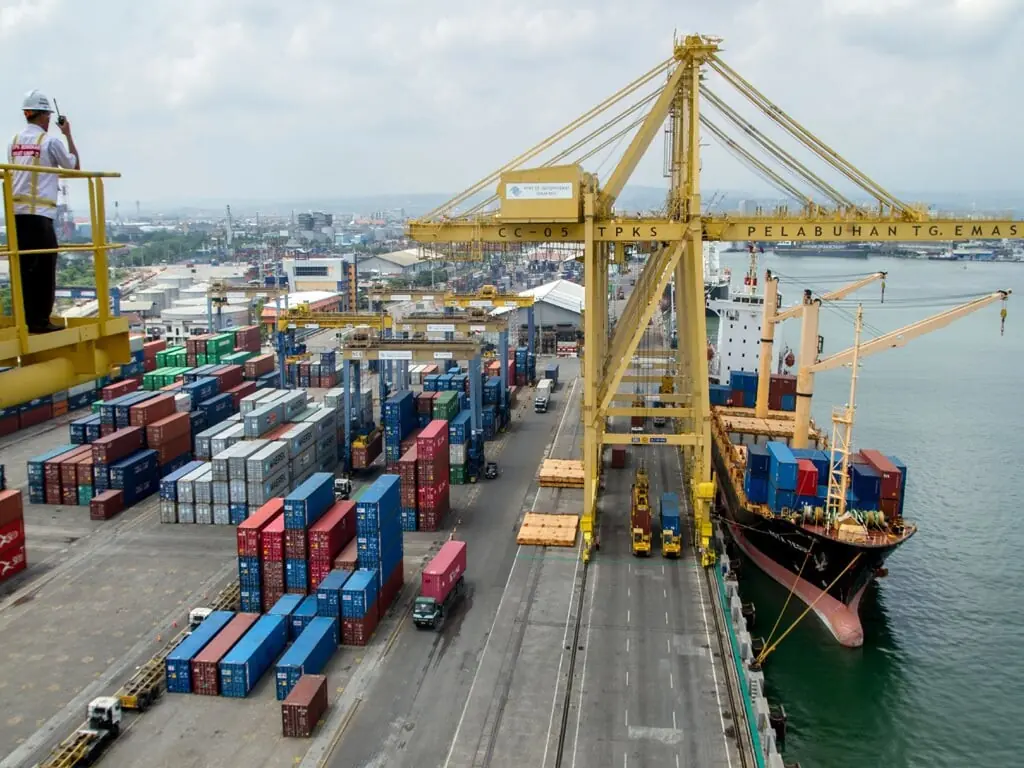

Pakistan’s trade deficit jumped over 25% to $3.95 billion in July 2026 compared to July 2025, with import payments surging almost 18% on year-on-year (YoY) basis and export earnings improving nearly 10%, as per official data released on Wednesday.
The deficit had stood at $3.15 billion in July 2025, the Pakistan Bureau of Statistics (PBS) reported.
“Data suggests the underlying import appetite has not genuinely cooled,” Ismail Iqbal Securities’ Head of Research Saad Hanif said in a commentary. “The reopening of the economy also kept imports elevated.”
Import payments rose 18% to $6.89 billion in July compared to $5.84 billion in the same month of the last year, PBS data showed.
Hanif said import payments had remained higher mainly due to a rise in energy prices in the wake of Middle Eastern geopolitical crisis.
“The prices of petroleum oil products and RLNG surged in the range of 40-50% in the month of July 2026 compared to the same month of the last year.”
Pakistan remains a net energy importer. Historically, the share of energy in total imports remains in the range of 20-25% of total import bill.
“Besides, import of cars and machinery for industries and agriculture sectors also kept imports on higher side,” Hanif said.
The exports surged 9.54% to $2.94 billion in July 2026 compared to $2.68 billion in July 2025, according to the PBS.
Hanif said the export earnings had increased apparently due to revival in food exports – primarily rice exports in July.
“Textiles remain major export of the country, having 55-60% share in total export earnings.”
Textile exports have remained stable in the previous fiscal year ended June 30, 2026. The publication of detailed import and export numbers later this month will reveal what items contributed towards increasing export earnings in July 2026, according to Hanif.
Trade deficit narrows 15% MoM
The trade deficit narrowed over 15% in July 2026 compared to $4.66 billion in June 2026 in the wake of strong revival in export earnings by a staggering 31% increase month-on-month (MoM), according to the PBS and the Ministry of Finance.
The export earnings increased to $2.94 billion in July 2026 compared to $2.24 billion in the prior month of June 2026, according to the PBS.
“Exports surged 31% MoM in July – one of the strongest monthly increases in recent years,” the Ministry of Finance said.
The import payments remained stable at $6.89 billion in July 2026, ticking down 0.17% compared to June 2026.
“Exports growth is encouraging early sign of FY27 Budget’s focus on exports, competitiveness, lower cost of doing business and private sector-led growth,” the Ministry of Finance commented.
“The July data points to strengthening external sector momentum and provides an encouraging start to FY27, reinforcing Pakistan’s transition towards a more competitive, export-led and sustainable growth model.”


























Comments