


Bank of England warns on inflation after freezing rate
- BoE holds rates at 3.75% but forecasts inflation will rise again due to the Middle East conflict, potentially peaking at 3.2% later this year
The Bank of England warned UK inflation is set to rise again due to elevated energy prices from the US-Iran conflict, despite holding interest rates steady at 3.75%.
- Bank of England's decision to hold interest rates.
- Impact of Middle East conflict on energy prices.
- UK inflation forecasts and economic growth outlook.
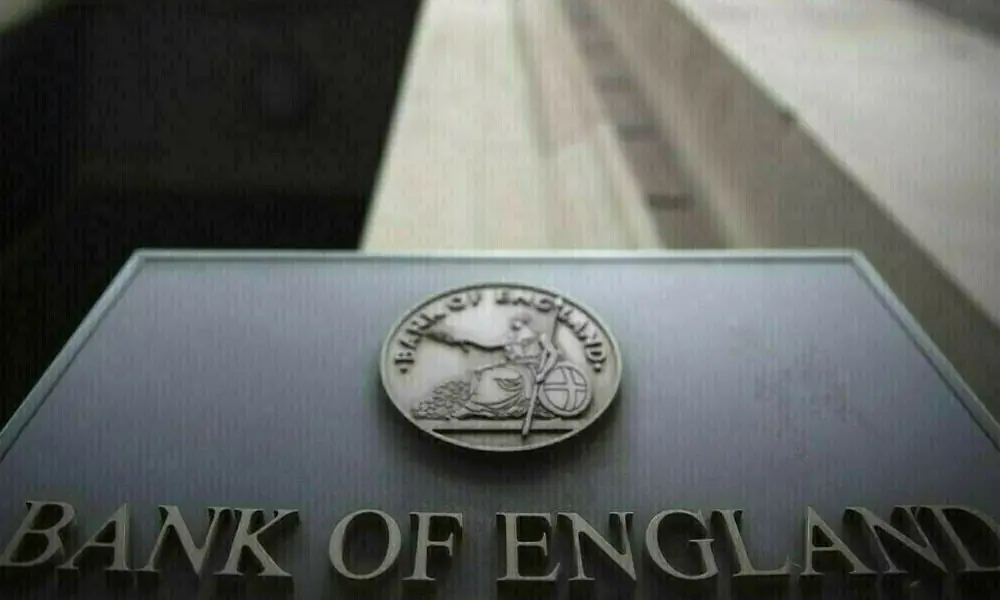

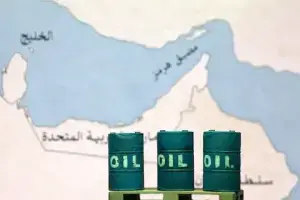
LONDON: The Bank of England on Thursday warned that UK inflation was set to rise again as the US-Iran war keeps energy prices elevated.
Despite the inflation outlook, the BoE opted against raising its benchmark rate at a regular policy meeting, leaving borrowing costs at 3.75 percent for a fifth time in a row.
“Inflation has fallen faster than we’d expected, but the conflict in the Middle East continues to mean high and volatile energy prices,” the central bank’s governor Andrew Bailey said following Thursday’s rate decision.
“That will cause inflation to rise again later this year.”
The widely expected decision came after the Federal Reserve held US interest rates steady Wednesday, though some policymakers called for a hike to combat surging American inflation.
Three members of the BoE’s monetary policy committee voted to increase the UK rate by 0.25 percentage points to four percent.
Bailey joined the five remaining members in calling for no change, minutes of the meeting showed.
The committee said it stood “ready to act” to ensure inflation meets the central bank’s two-percent target.
“We are once again in a period of higher interest rates, relative to recent history, for a longer period of time than expected,” financial analyst at Quilter Cheviot, Richard Carter, said Thursday.
Britain’s annual inflation rate dropped to 2.6 percent in June as fuel prices eased in the wake of a short-lived ceasefire between the United States and Iran.
However, the dip is expected to be temporary as fresh fighting in the Middle East this month sent oil prices surging.
New UK Prime Minister Andy Burnham has vowed to ease cost-of-living pressure, unveiling measures including a tax cut on domestic electricity bills.
‘Subdued growth’
Alongside its rate decision, the BoE set out three scenarios for the British economy, depending on how the Mideast conflict evolves.
Its central forecast projected inflation to peak at 3.2 percent toward the end of the year, before easing slightly.
“There remains scope for the outlook to change materially as events in the Middle East unfold,” the bank said in its monetary policy summary.
It added that it expects economic growth to remain “subdued” this year and in early 2027.
The central bank meanwhile forecast UK economic output to grow 1.1 percent in 2026 and 2027 – an improvement on its April estimates.
In its most pessimistic scenario, where tensions in the Middle East escalate, the BoE forecast that UK inflation could jump as high as 4.5 percent in 2027.
“With one crisis seemingly giving way to the next, forecasting the path of interest rates remains a hazardous exercise,” said Isaac Stell, investment manager at Wealth Club.












Comments