


Oil edges down in choppy trading amid Oman-Iran talks, US-Iran tensions
- Brent futures were down 36 cents, or 0.40%, at $90.38 a barrel
Oil prices dipped despite escalating Middle East tensions and the spreading US-Iran war, as tankers continued to navigate the region and alternative shipping routes were explored.
- Escalating US-Iran war and regional stability.
- Alternative oil shipping routes and their impact.
- Threats to Red Sea and Bab el-Mandeb shipping.
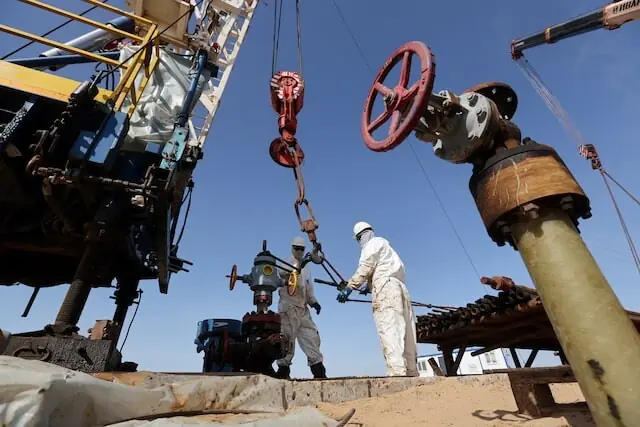

Oil prices were volatile session on Thursday, edging down after earlier gains as investors weighed talks between Oman and Iran over the Strait of Hormuz and escalating tensions between the United States and Iran.
Brent futures were down 36 cents, or 0.40%, at $90.38 a barrel as of 1111 GMT after touching a high of $93.31.
U.S. West Texas Intermediate (WTI) crude futures were down 72 cents, or 0.85%, at $83.74, after hitting a high of $85.94.
“The fact that Oman is in talks with Iran could suggest that progress is being made on re-opening the Strait of Hormuz,” said Hamad Hussain, a climate and commodities economist at Capital Economics.
Iran-Oman talks on management of the strait continue, according to the Iranian Labour News Agency.
However, tensions continued to simmer after the U.S. military said it had hit dozens of Islamic Revolutionary Guard Corps targets in Iran in an operation launched after Tehran fired ballistic missiles at U.S. forces in the Middle East.
“Until safe passage through the Strait of Hormuz is no longer a gamble, the risk premium in oil is not going anywhere — hope for diplomacy is welcome, but the market is pricing in the reality of ongoing strikes,” said Tim Waterer, chief market analyst at KCM Trade.
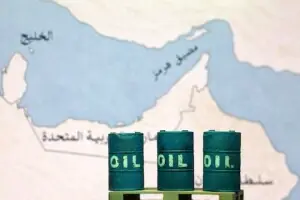
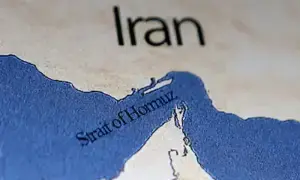
The Strait of Hormuz, which normally handles around a fifth of global oil and liquefied natural gas flows, has remained a focal point for oil markets since the Iran war began on February 28.
Analysts said investor focus was on the volume of oil exiting key chokepoints, including the strait and the Bab el-Mandeb strait at the southern tip of the Red Sea - and the possibility of a diplomatic breakthrough.
Iran’s Fars news agency reportedthat a Qatari LNG tanker passed through the Iran-designated route in the strait with Tehran’s permission.
The Al Areesh tanker, which loaded a cargo at Qatar’s Ras Laffan terminal around July 4 to 6, sailed out of the strait overnight on July 29, according to Kpler and LSEG data.
In another blow to supply, however, tankers planned for loading at the Caspian Pipeline Consortium (CPC) terminal are heading away from the Black Sea after a vessel was hit during loading at the terminal on Thursday, two sources said and shipping data showed.
A Ukrainian drone attack caused a fire at Lukoil’s Perm refinery that damaged and forced the shutdown of one of its crude distillation units (CDU), two industry sources told Reuters.
“Given the disruption to flows through several maritime chokepoints, as well as the rapid depletion of oil inventories, prices could feasibly be even higher than where they sit currently,” Hussain from Capital Economics added.















Comments