


Govt’s reform agenda highlighted
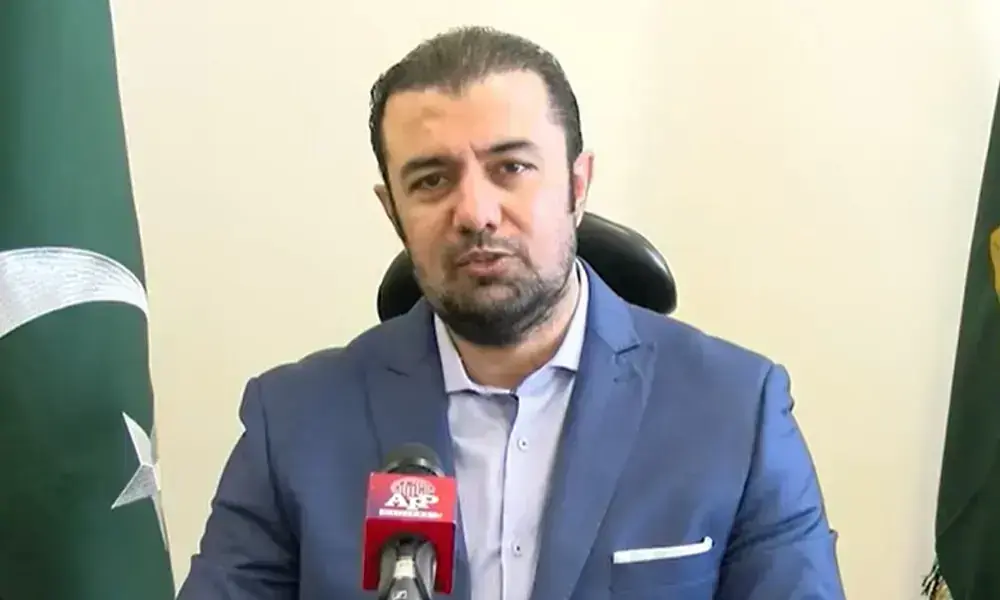

ISLAMABAD: Advisor to the Federal Minister for Finance and Revenue Khurram Schehzad outlined the government’s comprehensive reform agenda at the National Tax Seminar held Sunday.
During the four-day event, organised by the Pakistan Tax Bar Association and the Lahore Tax Bar Association, Shehzad highlighted the achievements towards national stability, attributed to prudent financial management and necessary structural reforms.
He emphasised that improvements in fiscal discipline, external financial reserves, and debt management have significantly boosted investor confidence, paving the way for sustainable growth led by the private sector.
READ ALSO: Aurangzeb says digital tax reforms a must to boost revenue
Shehzad described the fiscal year 2026-27 budget as balanced and growth-oriented, focusing on encouraging investment, promoting exports, and providing industrial development and employment opportunities.
The budget aims to provide relief to salaried individuals, enhance business competitiveness, support exporters, advance tariff reforms, stimulate economic documentation, and expand the tax base without further burdening existing taxpayers.
Beyond the budget, the advisor presented details of a broader reform agenda, including tax administration, public debt management, privatisation, reforms in public sector institutions, pension systems, energy sector development, Digital Pakistan initiatives, capital market development, and better access to financial services. These efforts aim to strengthen institutions, improve governance, enhance productivity, and make the economy more competitive and investor-friendly.
A significant highlight of the seminar was the introduction of Pakistan’s new tax operating model. Shehzad presented it as a major shift from the traditional officer-based system to a data-driven, technologically advanced, and faceless tax administration.
The model aims to limit discretionary powers, reduce direct interaction with taxpayers, uphold taxpayers’ rights, and promote transparency, fairness, and efficiency in the tax framework.
During the seminar, technical sessions considered topics such as provincial sales tax, budgetary tax proposals, faceless tax administration, and digitalization.
Dr Nadeem Haque delivered a keynote address on tax policy reforms, and FCA Muhammad Rehan Siddiqui provided insights on the scope of faceless and digitalization of tax administration. Panel discussions also addressed emerging tax issues and reform priorities.
At the conclusion of the seminar, leaders of the Pakistan Tax Bar Association and Lahore Tax Bar Association, including Ehsan Haque Sheikh, Rana Saqib Munir, and Abdul Qadir Memon, appreciated the government’s ongoing cooperation with the tax community. They expressed their commitment to supporting the development of a simple, transparent, technology-driven, and business-friendly tax system.















Comments