


Pakistan lags behind regional countries in securing FDI: LCCI
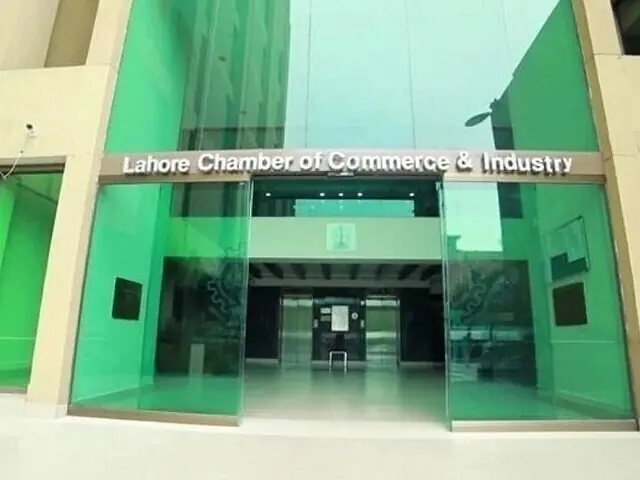

LAHORE: The Lahore Chamber of Commerce & Industry (LCCI) hosted a productive and forward-looking session to discuss strategies for enhancing Pakistan’s investment environment and to attract foreign direct investment (FDI).
Addressing the session, LCCI President Faheem-ur-Rehman Saigol highlighted the urgent need for long-term economic policies and policy continuity to attract sustainable investment into Pakistan.
He said Pakistan received approximately US$1.64 billion in foreign direct investment last year, representing a significant decline compared to previous years.
He contrasted Pakistan’s performance with regional economies, stating that Indonesia attracted around US$22 billion, Vietnam USD20 billion, and Malaysia US$16 billion in FDI, underscoring the need for stronger investor confidence and economic reforms.
Saigol also expressed concern over Pakistan’s dependence on remittances, saying that nearly 60 percent of remittance inflows originated in the Gulf Cooperation Council (GCC) countries.
He cautioned that ongoing regional conflicts and geopolitical uncertainties could adversely affect those inflows, making it imperative for Pakistan to strengthen exports and diversify sources of foreign exchange earnings.
He stressed the need to invest in youth skills development, enhance productivity and competitiveness, increase export earnings and reduce the burden of import expenditures. He said that sustainable economic growth could only be achieved through long-term planning, human capital development and stronger engagement with international markets.
Dr. Talat Pasha, director-general of the Punjab Agriculture, Food & Drug Authority (PAFDA), outlined the authority’s vision of protecting public health, enabling trade and driving innovation through world-class testing, certification and regulatory systems.
He said the PAFDA had been established as a centre of excellence in analysis and compliance, with a mandate covering regulatory oversight, trade facilitation, and research and innovation.
The authority would provide testing and certification services across agriculture, food, feed, pharmaceuticals and related sectors to help Pakistani businesses meet international quality and safety standards.
Dr. Jonathan Addleton, rector of the Forman Christian College University (FCCU) and former U.S. ambassador to Mongolia, emphasized the importance of strengthening links between education and industry for Pakistan’s long-term economic development.
He said Pakistan is uniquely positioned to benefit from greater regional integration and should capitalize on emerging opportunities in Central Asian markets. He also highlighted the significance of international partnerships in enhancing educational quality and institutional development.
Meanwhile, a delegation of the Pakistan Mini Mazda Association, led by its President Tanveer Ahmed Jutt, met with the Lahore Chamber of Commerce and Industry President Faheem-ur-Rehman Saigol on Friday to discuss the issues faced by transporters, including rising operational costs, the impact of government policies, increases in taxes and fees, matters related to toll plazas, and the future of the transport sector.
The delegation members stated that the transport industry had been under severe pressure, and that if immediate measures were not taken, it would have negative effects on national trade, industry, and the transportation of essential goods.
Pakistan Mini Mazda Association President Tanveer Ahmed Jutt said that transporters had always played an important role in keeping the national economy moving.
However, he regretted that their issues continued to be ignored. He stated that a previous strike had been called off on the assurance of the Punjab government, but not a single promise made by the government had been fulfilled.
He warned that if the government did not immediately accept their demands, a nationwide wheel-jam strike would be launched again, and the government would bear full responsibility for its consequences.
Copyright Business Recorder, 2026




















Comments