


Volatility at bourse, KSE-100 down 1.5%
- Benchmark index settles at 171,739.44
The Pakistan Stock Exchange's KSE-100 Index saw a strong rebound on Thursday, gaining nearly 600 points as buying interest returned across key sectors.
- Pakistan Stock Exchange's KSE-100 Index rebound and sector performance.
- Geopolitical tensions in the Middle East and rising crude oil prices.
- Asian stock market gains driven by US tech earnings and AI infrastructure.
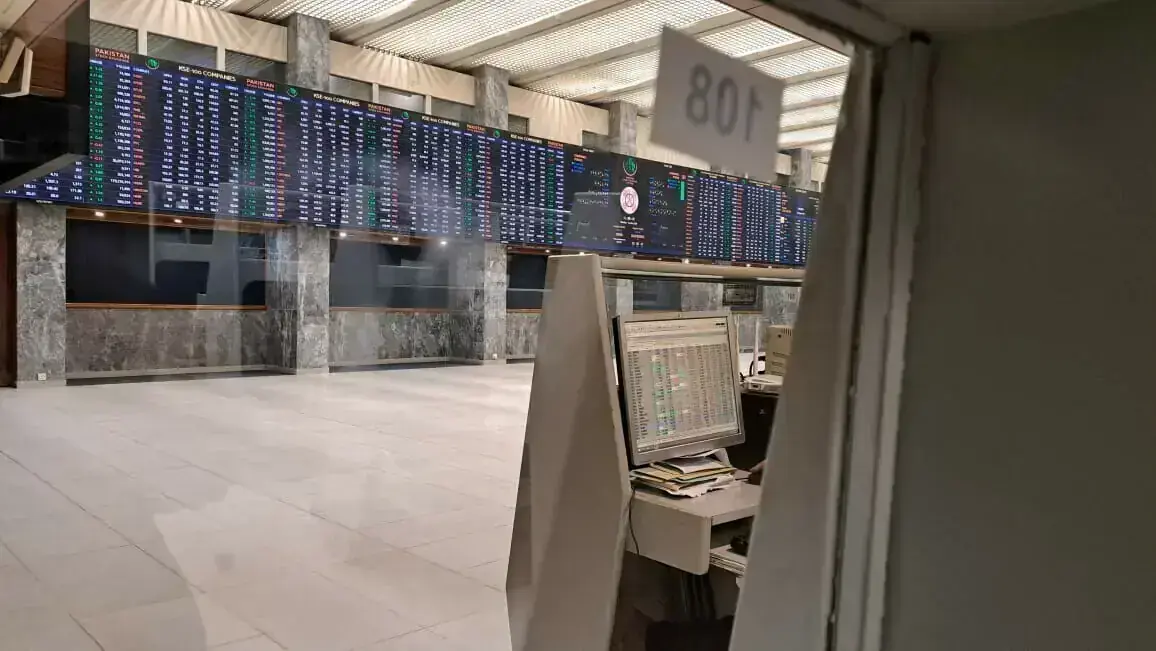

The Pakistan Stock Exchange (PSX) saw a broad-based sell-off, with the benchmark KSE-100 Index shedding over 1.5% amid sustained pressure throughout the trading session on Thursday.
After opening on a relatively positive note and touching an intraday high of 175,237.59, the index quickly lost momentum as selling intensified across key sectors.
The benchmark gradually trended lower through the day, slipping below the 174,000-point mark. Selling pressure accelerated during the final hours, dragging the index to an intraday low of 171,655.09.
At close, the benchmark index settled at 171,739.44, down 2,690.48 points or 1.54%.
In a key development, credit ratings agency S&P Global raised Pakistan’s long-term sovereign credit rating to “B” from “B-” on Wednesday, citing stronger institutional stability and effective implementation of reforms under an IMF program.
“The stable outlook reflects our view of Pakistan’s improved political and institutional settings. Entrenched economic reforms will bring about a sustained period of steady growth and fiscal consolidation,” said S&P.
On Wednesday, the PSX remained under heavy selling pressure as escalating geopolitical tensions in the Middle East and persistent concerns over rising international crude oil prices triggered widespread risk-off sentiment and prompted investors to reduce exposure to blue-chip and cyclical stocks.
The benchmark KSE-100 Index settled at 174,429.93 points, losing 1,703.64 points or 0.97%.
Internationally, Asian stocks rose on Thursday after US technology firms outlined significant capital spending plans that are likely to benefit chipmakers in the region, while the escalating war in the Middle East sent oil prices to six-week highs.
Rising oil prices have also renewed inflationary concerns, pushing short-term US Treasury yields to 17-week highs as traders wager the Federal Reserve may need to raise interest rates sooner rather than later.
Brent crude futures rose 2% to $96 per barrel in early trading after the US launched a new round of strikes on Iran and Yemen’s Houthis targeted oil tankers in the Red Sea, widening the scope of a conflict that has cast a shadow on the global markets.
Earnings from Alphabet and Tesla showed no slowdown in the vast spending on AI infrastructure. The search giant raised its capital expenditure plans for the year and now expects to spend between $195 billion and $205 billion.
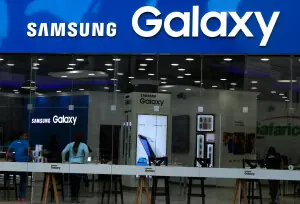
A lot of the spending is expected to boost Asian chipmakers. That took South Korea’s KOSPI up more than 3%, led by SK Hynix and Samsung Electronics. Japan’s Nikkei was up 1%.
MSCI’s broadest index of Asia-Pacific shares outside Japan gained about 1% in early trading, set for a 3% rise for the week, snapping a two-week losing streak.


















Comments