


IMF says oil prices, weak monsoon pose biggest risks to India's FY27 GDP growth
- Fund cut India’s GDP growth forecast for 2026/27 by 10 basis points to 6.4% this month
India's GDP growth faces significant downside risks from rising oil prices due to Middle East conflict and a potentially weak monsoon, despite IMF's adjusted forecasts.
- Widening Middle East conflict and rising oil prices.
- Impact of El Nino on India's monsoon.
- IMF's reassessment of India's national accounts.
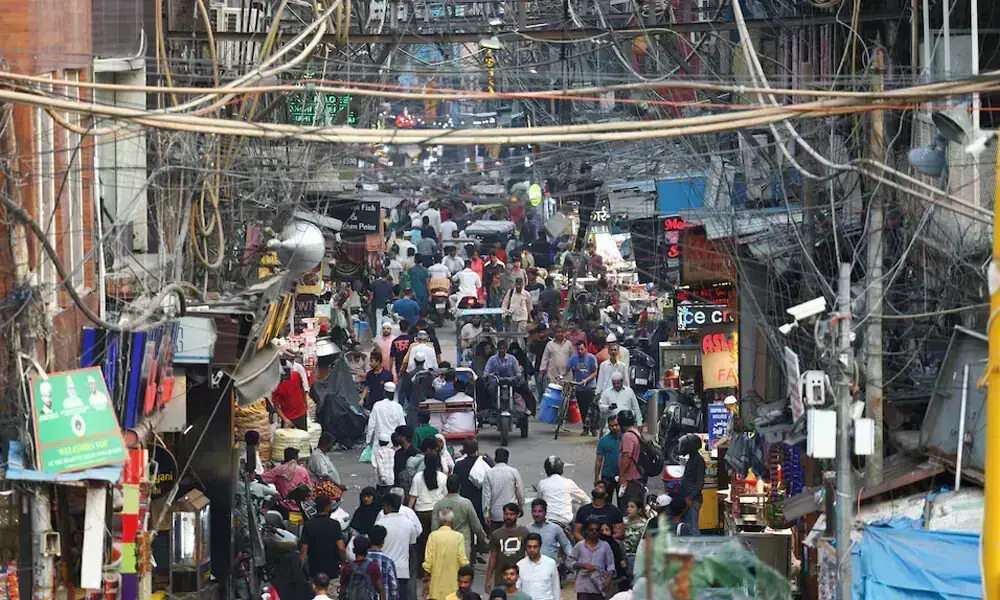
NEW DELHI: India’s GDP growth in 2026/27 faces key downside risks from a widening war in the Middle East that is driving up oil prices and a monsoon weakened by the El Nino weather effect, an International Monetary Fund official said.
Asia’s third-largest economy imports almost 80% of its oil needs, making it vulnerable to energy shocks that could hurt growth and stoke inflation.
The Fund cut India’s GDP growth forecast for 2026/27 by 10 basis points to 6.4% this month, while raising its 2027/28 forecast by 20 basis points to 6.7%.
“The downside risks are probably twofold,” Ranil Salgado, the Fund’s senior resident representative for India and Bhutan, told Reuters in an interview on Monday.
“One is that the war is already starting to expand again, and that has implications for oil prices.”
Global crude prices, which stood above $90 a barrel last week on fears of disruption in the Strait of Hormuz, eased over the last two days on reports of U.S.-Iran mediation, despite fresh attacks and Houthi threats to blockade Saudi Arabia.
However, this month’s IMF projections did not fully reflect the impact of a weak monsoon, Salgado said.
India’s GDP growth estimated at 7.8% in January-March
“This is an El Nino year that could lead to a poor monsoon,” he added. “We had a delayed monsoon, some recovery in July, but we will have to see how that plays out.”
IMF to reassess India’s national accounts
Salgado said the IMF would reassess the quality of India’s national accounts this year after the statistics department releases the back series based on the revised 2022/23 GDP base year, expected towards the end of 2026.
“It will be reassessed at the next Article IV consultation, expected later this year, with the report out next year,” he said, adding that key steps had been concluded.
Among further steps that could be taken before reassessment, were including new and rebased wholesale price index and index of industrial production data in national accounts and aligning historical GDP data with base year revisions, he said.
India to launch headline services output index within months, statistics secretary says
India’s national accounts statistics received the IMF’s second-lowest ‘C’ rating last November, on grounds of methodological weaknesses.
These included an outdated base year, heavy reliance on wholesale price indices for deflation and the extensive use of single deflation.
India has tackled the concerns since, with steps such as updating the base year to 2022/23, expanding item-level deflators, introducing double deflation for manufacturing and beefing up administrative and digital data.















Comments