


Oil prices firm as investors weigh fresh attacks against potential US-Iran ceasefire
- Brent crude futures rose 48 cents, or 0.5%, to $89.70 a barrel
Oil prices softened as markets weighed US-Iran mediation efforts against continued attacks and Houthi threats of a Saudi naval blockade, impacting global energy supplies.
- Houthi threats of a naval blockade on Saudi Arabia.
- Mediation efforts for a US-Iran ceasefire.
- Ongoing US strikes and Iranian attacks in the region.
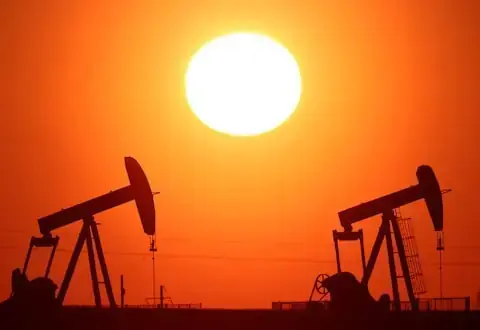

LONDON: Oil prices edged higher on Tuesday as markets weighed reports of mediation efforts against fresh attacks exchanged by the U.S. and Iran as well as threats of a naval blockade of Saudi Arabia by Yemen’s Houthis.
Brent crude futures rose 48 cents, or 0.5%, to $89.70 a barrel by 0950 GMT.
The front-month U.S. West Texas Intermediate crude contract, which expires on Tuesday, was up 59 cents, or 0.7%, at $83.82. The more active contract for September delivery rose 50 cents, or 0.6%, to $82.98.
“There’s some hope of de-escalation between the U.S. and Iran. Reports are that mediators are proposing a 10-day ceasefire, which could put the memorandum of understanding (MoU) back on track,” ING analysts said in a note, referring to the interim deal negotiated in June.
However, major differences remain between Washington and Tehran while U.S. President Donald Trump has warned of retaliation after several U.S. soldiers were killed, ING added.
A senior Iranian official told Reuters that Tehran had received a proposal from mediators for a 10-day ceasefire in efforts to salvage the deal signed on June 17, intended to pave the way for a lasting agreement to end the war that began on February 28 with U.S.-Israeli attacks on Iran.
The diplomatic push followed another night of U.S. strikes on Iranian cities and attacks by Iran’s Revolutionary Guards on U.S. military assets across the region. Later on Monday U.S. Central Command said it had begun another round of strikes on Iran.
“The optimist may see the latest American attacks as a last attempt to strengthen the negotiating position before a compromise is reached and the Strait of Hormuz is reopened,” an SEB Research note said.
“However, the risk is a more prolonged stalemate, with continued uncertain energy flows, higher oil prices and recurring attacks.”
A tanker in the Strait of Hormuz reported being struck by an unknown projectile, forcing its crew to abandon ship and board a lifeboat, the United Kingdom Maritime Trade Operations agency said on Tuesday. Vessel crossings via the strait also dropped further after fresh U.S. and Iranian attacks.
Yemen’s Houthis, meanwhile, said on Monday that they would impose a naval blockade on Saudi Arabia, opening a potential new front against the U.S. in its war on Iran and raising the threat to global energy supplies and trade beyond the Gulf.
“The threats of a naval blockade on Saudi Arabia by the Houthis are significant because they raise the risk of disruption to another major oil exporter,” said Tim Waterer at KCM Trade.
Meanwhile, U.S. crude oil and gasoline stockpiles were expected to have fallen last week while distillate stocks are likely to have risen, a preliminary Reuters poll showed on Monday.
















Comments