


Gulf crude exports jump in July but shipments slowing on renewed hostilities, data shows
- Vortexa estimated exports during the period at an even higher 13.06 million bpd
Gulf crude oil and condensate exports surged in early July after a deal to reopen the Strait of Hormuz, but escalating conflict has since slowed flows, raising new supply concerns.
- Fluctuations in Gulf crude oil and condensate exports.
- Impact of the US-Iran interim deal on oil flows.
- Escalating conflict and its effect on the Strait of Hormuz.
- Potential disruption of Red Sea traffic by Houthi forces.


LONDON: Gulf countries boosted crude oil and condensate exports in the first half of July to the highest levels since before the Iran war began in late February, shipping data showed, although flows through the Strait of Hormuz are now slowing as fighting escalates.
Crude and condensate exports from Saudi Arabia, the United Arab Emirates, Iraq, Kuwait and Iran rose about 16% from the whole of June’s daily average to 12 million barrels per day (bpd) in the first half of July, Kpler data showed.
Vortexa estimated exports during the period at an even higher 13.06 million bpd.
Saudi Arabia, Iran and Iraq led the increase in the first half of July, Kpler said, while Vortexa estimated Iraq posted the largest month-on-month increase, while UAE exports eased from record June levels.
The rise in Gulf exports prompted a fall in oil prices as supply worries eased after the U.S. and Iran reached an interim deal in mid-June to reopen the strait, the world’s most important shipping route for oil and gas, and pursue a broader settlement to end their war.
The interim accord unraveled in early July over disagreements about the waterway’s administration.
Red sea concern
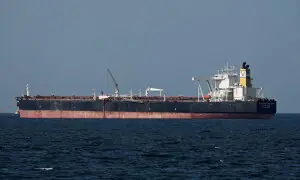
Shipments through the strait are already declining as strikes by both sides have re-escalated, dropping to just three commodity tankers on Thursday, the fewest daily transits since May, shipping data showed.
“We’re seeing a slowdown in activity, which means that countries will have to reduce output, which decreases the amount of crude that will be shipped,” Kpler analyst Johannes Rauball said.
Even after the rebound, exports remained about 32% below February’s pre-war peak of 17.6 million bpd.
Creating a potentially significant extra risk to global oil supplies, Iran has instructed Yemen’s Houthis to be prepared to disrupt traffic through the Red Sea if the United States targets Iranian energy infrastructure, sources told Reuters on Thursday.
Saudi Arabia has diverted most of its energy exports through its Red Sea port of Yanbu. So far in July, 75% of its 5.29 million bpd crude and condensate were exported from Yanbu, Kpler data showed.
















Comments