


PHMA questions power outages despite surplus generation capacity
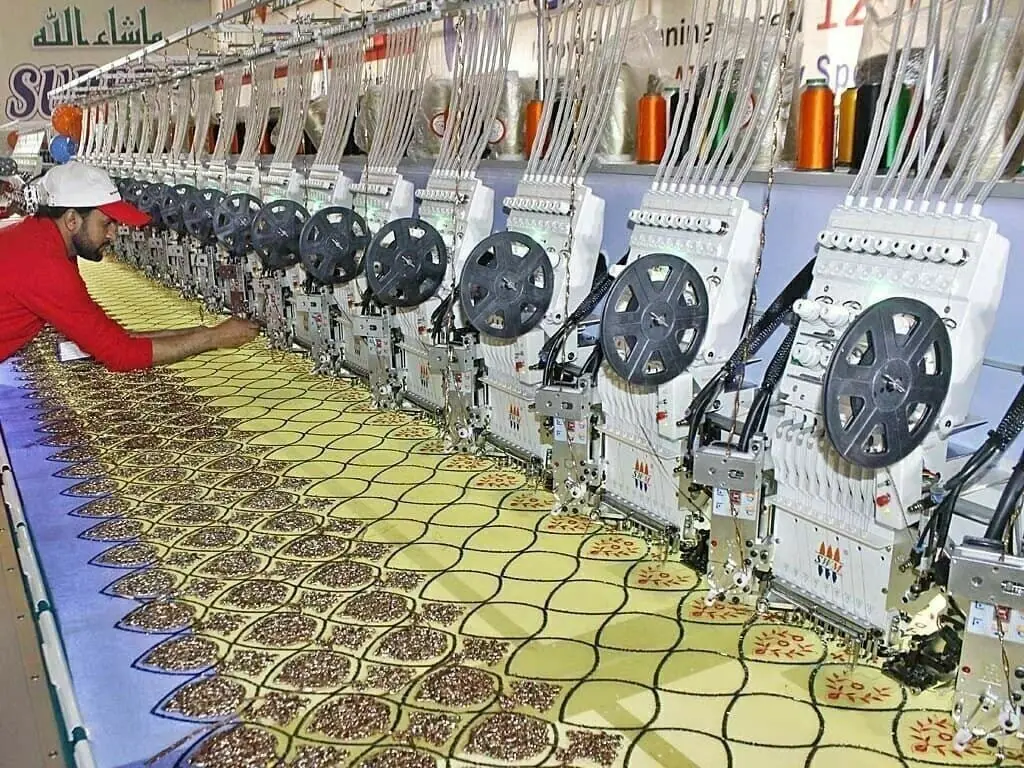

LAHORE: Industrial exporters in Pakistan are losing production time and money to unscheduled electricity outages even though the country’s installed power generation capacity far exceeds actual demand, the Pakistan Hosiery Manufacturers and Exporters Association (PHMA) said on Tuesday, calling on the government to explain why factories continue to suffer supply disruptions despite a massive surplus in generation capacity.
PHMA North Zone Chairman Abdul Hameed said the association had received numerous complaints from hosiery and knitwear exporters about unscheduled power interruptions that were disrupting industrial operations.
He said export-oriented industries work under strict production schedules and delivery commitments agreed with international buyers, and that even brief power cuts translate into production losses, higher operating costs and delayed shipments.
Hameed said it was difficult for the business community to understand why industries kept facing power disruptions when Pakistan’s installed electricity generation capacity had reached about 49,651 megawatts in fiscal year 2025-26, while peak demand generally remained well below that figure, at around 30,000 megawatts or less depending on the season.
A large share of the available capacity, including that of Independent Power Producers, remained underutilized, he said, raising serious questions about energy management and utilization.
He said the government should explain why industrial consumers continued to bear the brunt of outages despite sufficient installed capacity being available. At the same time, he said, authorities had imposed policy restrictions and disincentives on industrial solarization, making it harder for factories to install solar power systems and reduce their dependence on the national grid, a move he described as counterproductive at a time when industries needed affordable and reliable energy to stay competitive.
Industries should be encouraged, not discouraged, to invest in renewable energy, Hameed said, adding that facilitating industrial solar installations would ease pressure on the national grid, improve energy efficiency, lower production costs and strengthen Pakistan’s export competitiveness.
He urged the Ministry of Energy, the Power Division, LESCO and other relevant authorities to ensure uninterrupted electricity supply to industrial consumers by fully utilizing available generation capacity and removing unnecessary barriers to solar investment.
He further said Pakistan’s hosiery and knitwear sector remained among the country’s leading value-added export industries, earning billions of dollars in foreign exchange and employing hundreds of thousands of workers, and that a stable, dependable power supply was essential to sustaining production and expanding exports.
Former PHMA Chairman Shahzad Azam Khan said uninterrupted electricity had become one of the most important prerequisites for industrial growth, noting that while competing countries were ensuring reliable and affordable energy for their export sectors, Pakistani manufacturers continued to face avoidable power disruptions and policy uncertainty.
Former PHMA Chairman Shafiq Butt said exporters were already burdened by high electricity tariffs, expensive financing, rising transportation costs and intense international competition, and that continued power interruptions, coupled with restrictions on industrial solar adoption, were further eroding investor confidence and weakening Pakistan’s export potential.
He called on the government to formulate a coherent energy policy that ensures uninterrupted electricity supply, fully utilizes existing generation assets and allows industries to freely invest in solar energy so the export sector can compete effectively in international markets.
Copyright Business Recorder, 2026

















Comments