


Oil heads for weekly gains as Middle East supply risks persist
- Brent futures were up 24 cents, or 0.3%, at $76.54 a barrel
Oil prices dipped slightly Friday but were set for weekly gains, as US-Iran strikes continued amid inflation concerns and reassurances that energy infrastructure would be avoided.
- Ongoing US and Iran military strikes.
- Disruption of the Strait of Hormuz.
- Global economic indicators impacting oil demand.
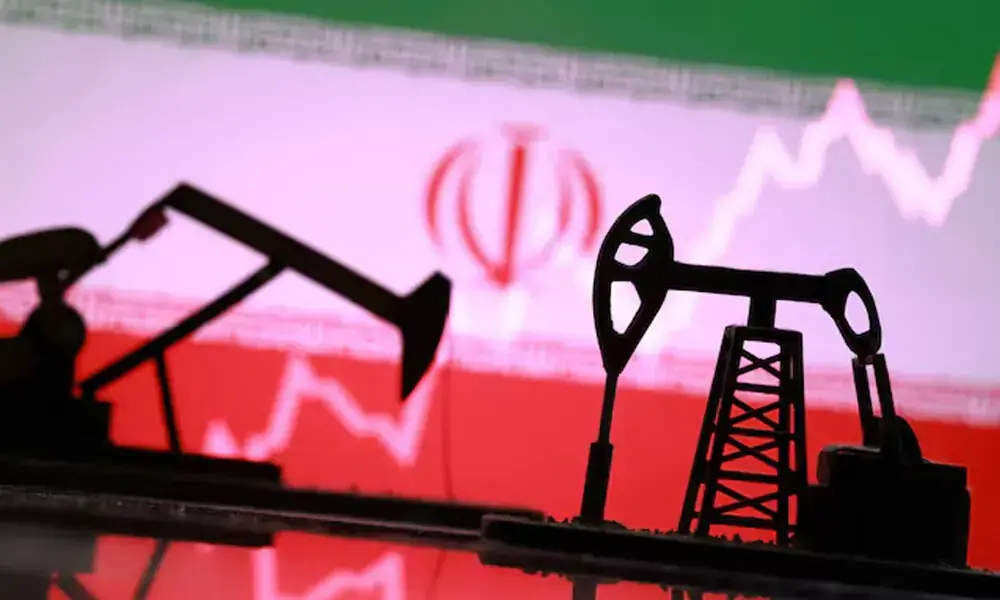
LONDON: Oil prices rose on Friday and were on track for weekly gains as renewed U.S.-Iran fighting disrupted shipping in the Strait of Hormuz, stoking concerns over supply disruptions.
Brent futures were up 24 cents, or 0.3%, at $76.54 a barrel by 1224 GMT. U.S. West Texas Intermediate (WTI) crude rose 9 cents, or 0.1%, to $72.17.
For the week, Brent was set for a gain of about 6% and WTI was on track for an increase of about 5%.
“There is still a substantial risk premium as Hormuz transits are back to a near-standstill with no clear signs of when normal reopening might resume,” said Vandana Hari at oil market analysis provider Vanda Insights.
Iranian armed forces launched attacks on U.S. military infrastructure in Gulf states on Thursday after U.S. strikes on Iran’s southern coastal and eastern provinces, further straining a creaking ceasefire.
Prices pared gains after a Reuters report said that Qatari negotiators are in Iran to meet Iranian officials in an effort to de-escalate tensions and create conditions for broader negotiations to continue.
Separately, Iranian media reported multiple explosions across southern Iran. The area included Bushehr, where one of the country’s nuclear plants is located.
The recent escalation in hostilities between the U.S. and Iran could upend the International Energy Agency’s forecast of a significant oil market surplus next year, it said on Friday.
The developments also have delayed a full reopening of the Strait of Hormuz, which carried about 20% of daily global oil and gas supplies before the start of the war on February 28.
The lack of any new U.S. strikes on Iran overnight is probably weighing on oil prices, though a drop in flows through the Strait of Hormuz is limiting the downside, said UBS analyst Giovanni Staunovo.
Liquefied natural gas tankers have passed through the Strait of Hormuz in recent days, ship-tracking data showed, but overall daily traffic has slowed.
U.S. President Donald Trump said this week that he did not think the war would restart and that “anything that happens is going to be over very quickly”.
“Despite the U.S. ramping up attacks on military sites in Iran, the market drew some reassurance from the Trump administration’s decision to avoid targeting Iranian energy infrastructure,” said ANZ commodity strategist Daniel Hynes.
Elsewhere, the IEA downgraded its projections on Russian oil production because of Ukrainian attacks on the country’s energy infrastructure, the agency said on Friday.

















Comments